A Prince Who Had It All
He was young, handsome, and charming – the kind of man people naturally followed. Scripture says, “In all Israel there was none to be so much praised as Absalom for his beauty.” From the crown of his head to the sole of his foot, there was no blemish in him. His name meant “Father of Peace,” but the irony hung heavy. Behind that perfect appearance lived a restless, ambitious heart that couldn’t bear being overlooked.
Absalom was King David’s son, but he wasn’t content to be his father’s child – he wanted his father’s throne. And it all started with pain. His sister Tamar had been violated, and David’s silence cut deeper than the sin itself. Absalom’s heart hardened. He nursed his fury in silence for two years until vengeance boiled over. He murdered his half-brother Amnon, the one who hurt Tamar, and fled the kingdom.
But time doesn’t always heal bitterness. Sometimes it waters it.
The Seeds of Rebellion
For three long years Absalom stayed away, estranged and brooding. Joab, David’s general, finally convinced the king to allow his son to return – but reconciliation never truly came. David kissed him, but the space between them was colder than ever.
That’s when Absalom’s charm went to work. He began to rise early, stationing himself by the gate where the people came to seek the king’s judgment. With flattering words and warm smiles, he listened to their complaints and whispered the kind of promises politicians still make today: “Oh, that I were made judge in the land… then every man which hath any suit or cause might come unto me, and I would do him justice.”
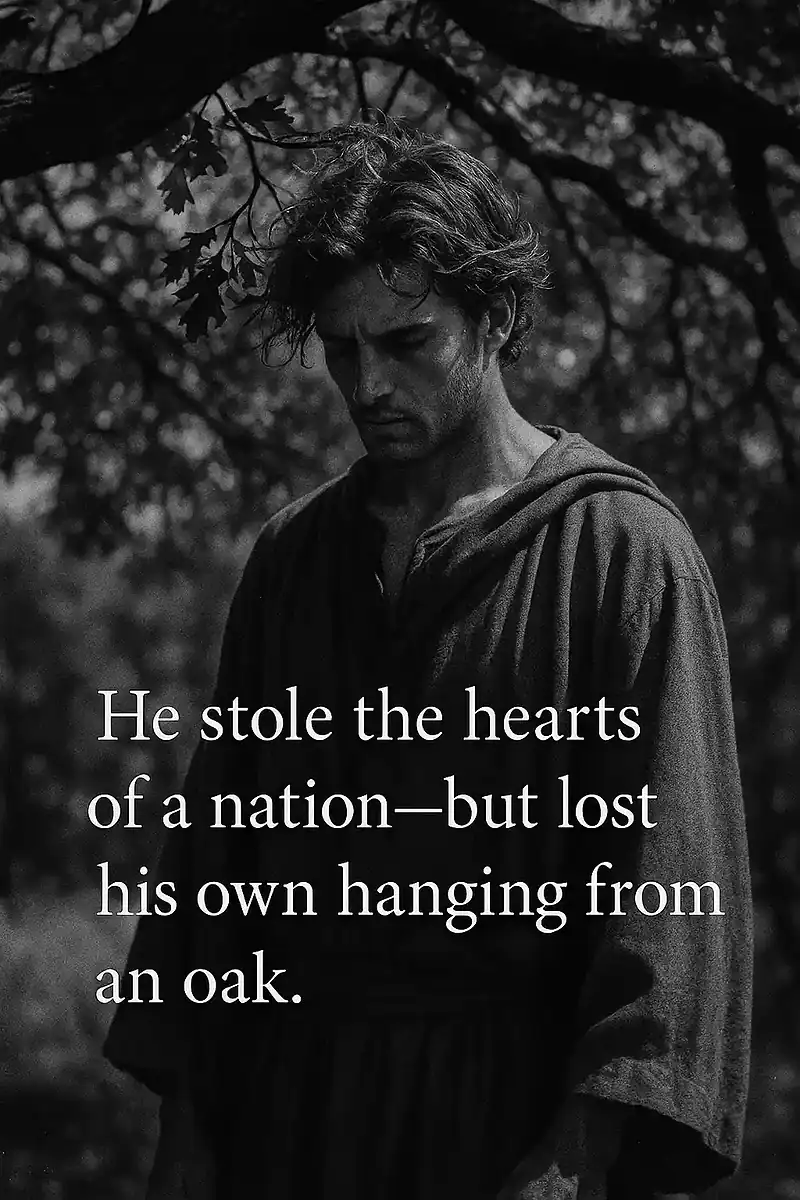
One by one, he “stole the hearts of the men of Israel.” What David had earned through years of faith, humility, and tears, Absalom took through performance and charisma. The same people who once sang songs about David now sang for his son.
The Crown That Cost Everything
When the hearts of the people were his, Absalom made his move. Under the cover of a religious vow, he gathered his followers in Hebron and declared himself king. Trumpets sounded. The rebellion was on.
David, heartbroken but not surprised, fled Jerusalem barefoot and weeping. The same hills that once echoed with his psalms now heard his sobs. “If I shall find favor in the eyes of the Lord,” he said, “He will bring me again.” It wasn’t fear that drove him out – it was faith. David refused to fight for a crown God had given. He trusted that if God willed, He could restore it.
Meanwhile, Absalom entered Jerusalem with pride and power. He took possession of the palace and sought counsel from men who had once sworn loyalty to David. But beneath the glittering crown, something hollow rang inside him. He had won the crowd, but not the calling.
The Oak and the End of Rebellion
Absalom’s pride rode before him – literally. Mounted on a mule, with his flowing hair shining like a crown, he led his men to war against his father’s army. But the battle in the woods of Ephraim turned to chaos. His beautiful hair, the very thing he was known for, became his downfall. As he rode beneath a great oak tree, his head caught in the branches. The mule went on, leaving him hanging helplessly between heaven and earth.
Joab found him there and thrust three spears into his heart. The prince who wanted to rise above everyone else died suspended, unable to touch either ground or glory.
When David heard the news, his cry tore through the palace: “O my son Absalom, my son, my son Absalom! Would God I had died for thee.” It was the sound of a father’s love colliding with the consequences of sin. The same voice that once cried for mercy over his own failures now mourned the rebellion of his son.
When Love Hurts More Than Betrayal
David’s grief was unbearable. This was the son he’d prayed for, forgiven, and hoped might change. But love can’t always save someone determined to run from God. Absalom wanted the kingdom without the King, blessing without obedience. And like so many before and after him, he thought God’s favor could be manipulated through charm and momentum.
We can almost see David sitting in silence, the crown beside him, the throne cold and empty. He’d learned that leadership without surrender leads to ruin. He’d seen that unresolved bitterness turns gifted people into dangerous ones. And he’d discovered the hardest truth of all – sometimes your greatest enemy is born from your own house.
The Mirror We’d Rather Avoid
Absalom’s story still speaks because it’s not just ancient history – it’s a mirror. We see his reflection every time pride whispers that we deserve more recognition. We hear his echo when resentment festers because someone else got the credit. His rebellion isn’t far from our hearts; it’s the same self-promotion that divides churches, friendships, and families today.
And like Absalom, we too can “steal hearts” without realizing we’re losing our own. We can fight so hard for position that we forget what peace even feels like. Pride builds fast – but repentance builds forever.
Grace That Outlives the Rebellion
There’s a greater Son of David who also hung between heaven and earth – but not by accident or arrogance. Jesus was lifted up on a cross, not caught in an oak. Absalom died for his own sin; Jesus died for ours. The tree that became Absalom’s judgment became Christ’s instrument of mercy.
Absalom’s rebellion tore a kingdom apart; Christ’s obedience brought one together. Where Absalom reached for power, Jesus laid His down. Where Absalom took life to get a throne, Jesus gave His life to open heaven.
If Absalom’s story warns us of pride, Jesus’ story welcomes us to grace. The Son who deserved the throne wore a crown of thorns instead. And every heart He wins, He heals – not steals.
Reflection for Today
Maybe you’ve felt like David – heartbroken by the choices of someone you love. Or maybe you’ve been more like Absalom – running, striving, or trying to prove something God never asked you to. Either way, grace still speaks. God still restores what pride destroys.
We can bring Him our divided hearts, and He can make them whole again. The story ends where it began: with a Father’s love stronger than rebellion. David couldn’t save Absalom, but God sent a greater Son who could save us all.
And one day, when we stand beneath the tree that didn’t take life but gave it, we’ll understand – mercy was the plan all along.
Call to Action: The Question That Demands an AnswerIn Acts 2:37 Peter and the Apostles were asked the question – What Shall We do? And in Acts 2:38 Peter answered, Repent, and be baptized every one of you in the name of Jesus Christ for the remission of sins, and ye shall receive the gift of the Holy Ghost. For the promise is unto you, and to your children, and to all that are afar off, even as many as the Lord our God shall call. Do you understand this? After hearing the gospel and believing, they asked what should would do. The answer hasn’t changed friend, Peter clearly gave the answer. The question for you today is, Have you receieved the Holy Spirit Since you believed? If you’re ready to take that step, or you want to learn more about what it means to be born again of water and Spirit, visit: Come, and let the Spirit make you new. |