Quick Overview of This Bible Study…
Short on time? I have created a short slide show presentation of some key takeaways in our study. The complete, more comprehensive bible study is below…
Let’s be honest: the word “judgment” can stir up some uncomfortable feelings. It might make us think of courtrooms, guilt, or even images of fire and brimstone.
As a believer, I’ve wrestled with what judgment really means in everyday life. Is it wrong to judge others? How can God be loving and still judge? The King James Version (KJV) of the Bible uses the word “judgment” a lot, and not always in the same way.
In fact, judgment in Scripture has many facets – from wise legal decisions, to God’s justice, to our personal discernment between right and wrong.
Understanding these different uses can actually encourage us. It shows that God’s judgment isn’t just about punishment; it’s also about justice, mercy, and making things right.
In this Bible study, we’ll explore the various shades of meaning for judgment in the Bible, look at related ideas like justice and mercy, and see what instructions the Bible gives us about judging.
We’ll visit some powerful examples of judgment in both Old and New Testaments – some scary, some inspiring – and discover how these threads tie together from Genesis to Revelation.
My hope is that by the end, we’ll see God’s judgments not as something to fear blindly, but as part of His truth and love, and learn how to walk out our own judgments (or lack thereof) in a righteous, humble way.
What Does "Judgment" Mean in the Bible?
When you see “judgment” in the KJV Bible, it can mean a whole bunch of things depending on the context. No, it’s not just about God zapping sinners! Here are some of the key ways judgment is used in Scripture:
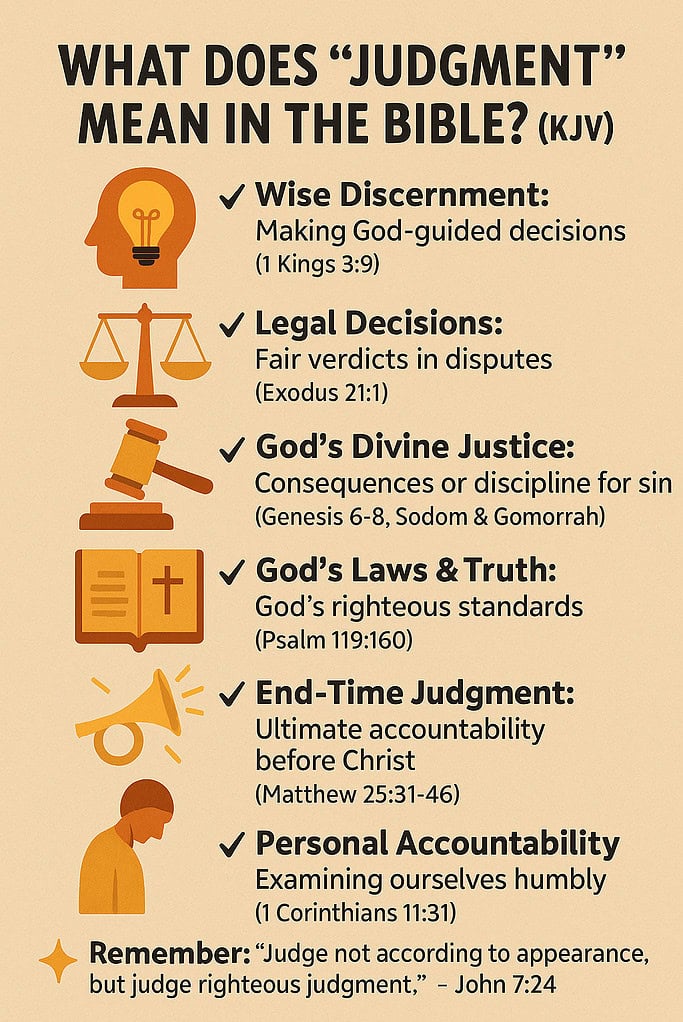
Wise Discernment or Decision-Making:

Sometimes judgment refers to the ability to discern or make wise decisions. It’s that sense of having good judgment.
- For example, King Solomon asked God for an “understanding heart to judge” the people (1 Kings 3:9).
In these cases, judgment means wisdom – seeing what is right or wrong. One old dictionary even defines judgment in Scripture as “the spirit of wisdom and prudence, enabling a person to discern right and wrong” kingjamesbibledictionary.com.
So when Psalm 72:2 says, “Give the king thy judgments, O God,” it’s asking God to give the king a wise sense of justice to rule well.
Legal Decisions (Court Judgments):

In many places, judgment is a legal term – the decision of a judge or court.
- Think of Moses appointing judges to give judgments for the people, or the laws in Exodus referred to as “judgments” that the people must follow (Exodus 21:1). In this sense, judgment is a sentence or verdict in a case.
For example, in the law of Moses, if someone was found guilty of a crime, a judgment would be pronounced. It could be a sentence of punishment or a decision in a dispute.
- Jesus references this usage in Matthew 5:21 when he says, “Ye have heard…that whosoever shall kill shall be in danger of the judgment.”
Here “the judgment” meant the local court verdict for murder. So judgment can mean the whole legal process: from hearing a case to giving a decision.
God’s Divine Justice (Punishment or Discipline):

This is a big one. A lot of times judgment means God’s action of punishing sin or correcting wrong. These are those dramatic moments we think of, like the Flood in Noah’s day or the fire on Sodom and Gomorrah.
The Bible calls those events God’s judgments. In fact, an old definition puts it as “a remarkable punishment; an extraordinary calamity inflicted by God on sinners” kingjamesbibledictionary.com.
Throughout the Old Testament, when Israel disobeyed, God sent judgments – sometimes famine, plagues, or enemy armies – as consequences.
But keep in mind, His judgments were often meant to bring people back to righteousness (more on God’s mercy later!).
- In the New Testament, this idea continues with warnings that unrepentant people will face God’s judgment (Hebrews 10:26-27 talks about judgment as a “fearful thing” for those who reject Christ).
Divine judgment can sound scary, but it’s essentially God being a just judge of evil.
God’s Laws and Decrees:

Here’s a surprise – the word judgments can also refer to God’s laws, commands, or rulings that are meant to guide us.
- In the KJV, especially in Psalm 119, you’ll see phrases like “thy judgments” meaning “your laws/ordinances,” O Lord. One reference says “the righteous statutes and commandments of God are called his judgments” kingjamesbibledictionary.com.
- So in verses like Psalm 119:164, “Seven times a day do I praise thee because of thy righteous judgments,” it’s praising God for His laws or decisions that are always right.
It might feel odd to our ears, but in older English usage, judgments could mean the overall body of justice or rulings from God. It’s like saying God’s decided truth on matters. So, God’s judgments can mean Scripture itself – His declared verdict on what’s right.
Salvation and Mercy Decisions:
Connected to the above, sometimes God’s judgment can imply bringing about justice for the oppressed or vindication for the righteous.
In the prophets, when God “executes judgment,” it can mean He’s setting things right.
- For example, “He shall bring forth judgment to the Gentiles” (Isaiah 42:1) – this was a prophecy about the Messiah establishing true justice (quoted in Matthew 12:18).
Here, judgment isn’t doom, it’s making fair decisions and bringing truth to light. God’s judgment can save the humble even as it punishes the wicked.
(If that sounds surprising, think of how a good judge’s decision punishes a criminal and frees the innocent – two sides of one judgment.)
The Final Judgment (End Times):
This is the big one most of us think of – Judgment Day. The Bible teaches that history is headed toward a climactic time when God will judge all people.
- Verses refer to this as “the judgment”, “the day of judgment”, or the “final judgment.” This is when every deed, public or secret, is evaluated by God.
- Ecclesiastes 12:14 (KJV) soberly reminds us, “For God shall bring every work into judgment, with every secret thing, whether it be good, or whether it be evil.”
In other words, nobody’s getting away with anything – good or bad will be acknowledged. One definition calls it “the final trial of the human race, when God will decide the fate of every individual” kingjamesbibledictionary.com.
In the New Testament, this theme really comes into focus:
- Jesus talks about separating the “sheep from the goats” (Matthew 25:31-46) and Revelation describes the dead standing before God as books are opened (Revelation 20:12).
This ultimate judgment is both awesome and intimidating – but for those in Christ, it’s also a time of reward (more on that soon!).
Personal Accountability or Conscience:
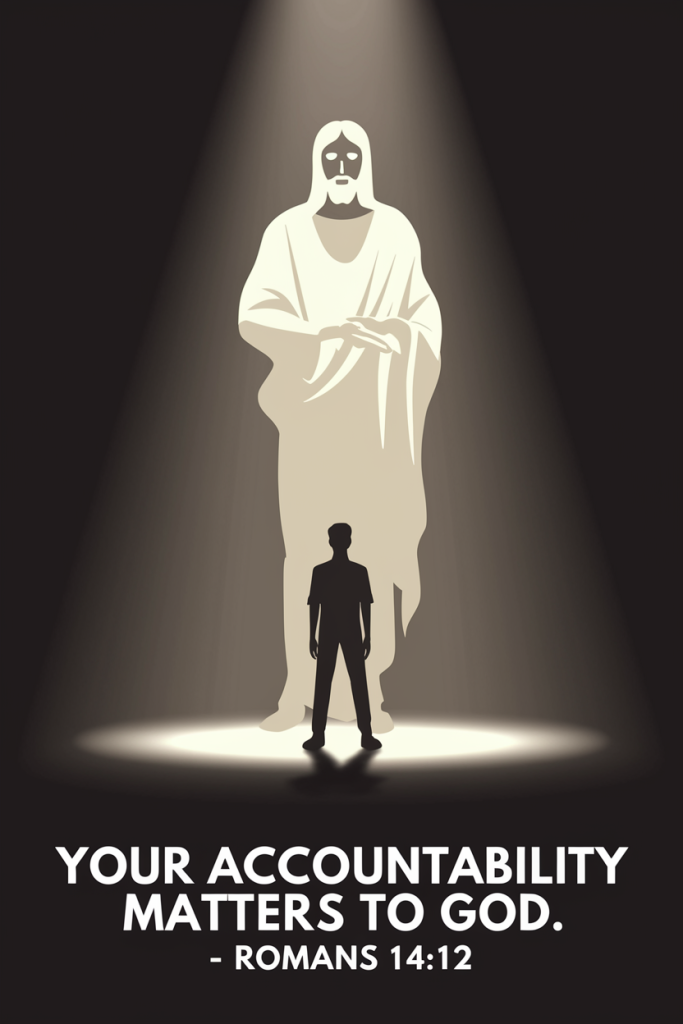
Sometimes judgment language is used in a personal sense, like when we examine ourselves.
- 1 Corinthians 11:31 says, “If we would judge ourselves, we should not be judged.”
That means if we honestly examine and correct ourselves, we won’t incur God’s discipline. In this sense, judgment can mean evaluating or discerning our own actions.
It’s related to having a good conscience and coming under conviction. The Bible encourages us to “judge righteous judgment” even internally – to line up our choices with God’s standards.
As you can see, judgment in the Bible is a multifaceted word!
It can be positive (wise discernment or justice) or negative (condemnation of sin), depending on context. And often it’s very closely tied to other ideas like justice, righteousness, and mercy – which we’ll look at next.
Words Related to Judgment: Justice, Mercy, Righteousness, and More
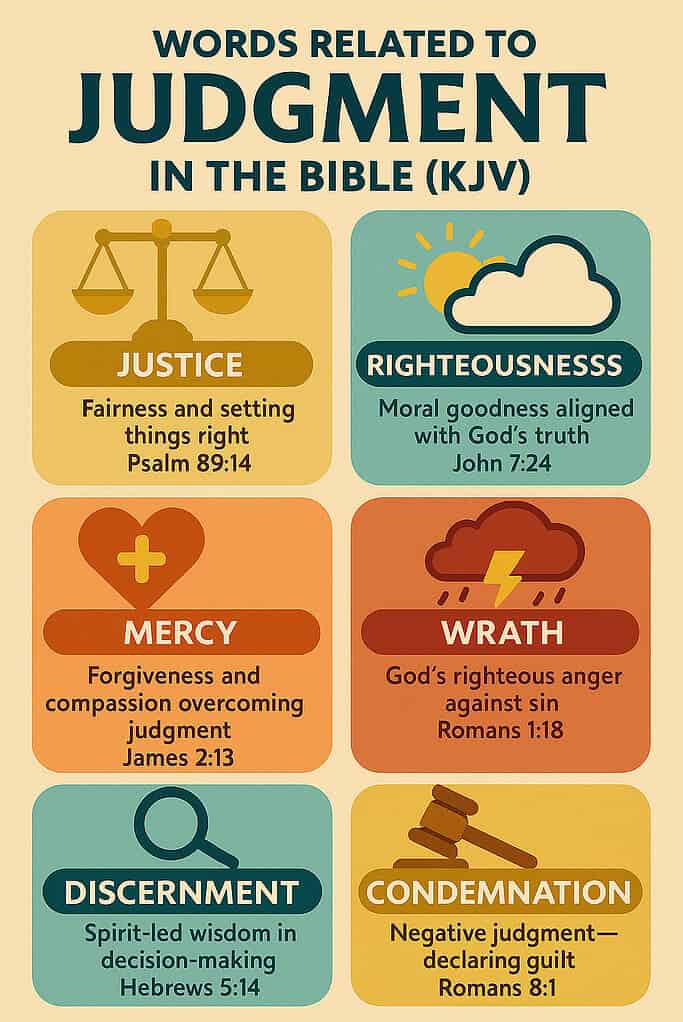
Whenever we talk about judgment in Scripture, a cluster of other heavy-duty words come to mind. It’s like judgment is part of a family of concepts that all relate to how God governs and how we should live. Let’s unpack a few of these cousins of judgment:
Justice:
In everyday use, we think of justice as fairness or people getting what they deserve. In the Bible, justice is super closely linked with judgment – in fact, in Hebrew the same word “mishpat” carries both meanings of justice and judgment.
So, when you read the Old Testament in KJV, sometimes modern translations might say justice where KJV says judgment.
- For example, Genesis 18:19 speaks of “doing justice and judgment.”
Essentially, justice is the principle and judgment the action. God is a God of justice, which means He cares about righting wrongs and defending the oppressed. His judgments flow from that justice.
Far from being cruel, God’s judgment ensures that evil doesn’t get the last word. (Think about it: a world where God never judged evil would actually be unjust and scary!).
- Psalm 37:28 says “the LORD loveth judgment” – He loves justice.
Whenever you see judgment paired with righteousness or justice in Scripture, it’s highlighting that God’s way of judging is always fair and right.
Righteousness:

This is another big Bible word in the family. If justice is about fairness, righteousness is about moral rightness or goodness.
How does it relate to judgment?
Well, God’s judgments are always righteous – He never misjudges or judges by appearances.
- Abraham, when pleading for Sodom, asked, “Shall not the Judge of all the earth do right?” (Genesis 18:25). Rhetorical question – of course He will!
In our lives, practicing righteous judgment means we strive to judge matters the way God would – without bias, based on what is morally right, not on outward factors.
- Jesus said, “Judge not according to the appearance, but judge righteous judgment” (John 7:24).
Also, when you see judgment in the sense of God’s law (like His judgments), it implies those laws are righteous.
- Psalm 19:9 says, “the judgments of the LORD are true and righteous altogether.”
There’s a comforting thought here: God will never judge you wrongly. Human courts might err, friends might misjudge you, but God’s judgment is 100% accurate and just.
Mercy:

At first glance, mercy seems opposite to judgment.
- James 2:13 even says, “mercy rejoiceth against judgment” (or in modern words, “mercy triumphs over judgment”).
How do these two connect?
The amazing truth of Scripture is that God’s mercy interweaves with His judgment. He desires to show mercy, but He also won’t deny justice.
In the Old Testament, even as God sent judgments, He often tempered them with mercy or provided a way out. (Think of the ark for Noah, or the warning sent to Nineveh via Jonah – God’s judgment was coming, but His merciful heart wanted people to repent and be spared).
Ultimately, at the cross, mercy and judgment met: God’s judgment on sin was poured out on Jesus, so His mercy could be poured out on us.
For us Christians, this means when we think about judgment, we should always remember mercy.
- Jesus said, “Blessed are the merciful: for they shall obtain mercy” (Matthew 5:7).
If I’m quick to condemn someone, I remind myself: God has been merciful to me, so I should be merciful to others. Mercy doesn’t ignore judgment; it overcomes it by satisfying its demands through forgiveness and love.
In practical terms, showing mercy is a way of leaving ultimate judgment to God. It doesn’t mean we call evil good, but it means we forgive and show kindness, trusting God to set things right in the end.
Wrath:
Okay, wrath is another intense word – it refers to God’s anger against sin. It’s related to judgment because many of God’s judgments are an expression of His wrath on persistent wickedness.
- The Bible speaks of “the wrath to come” (1 Thessalonians 1:10) and how “the day of the Lord” will be a day of wrath and judgment for the ungodly.
It’s not fun to think about God’s wrath – we’d much rather talk about love. But here’s the thing: God’s wrath is not capricious or cruel; it’s actually the hot side of His love and justice.
He loves the world and His creatures, so He hates the evil that destroys. His judgments, especially end-times judgments, pour out wrath on unrepentant evil (like in Revelation, the bowls of God’s wrath).
- However, believers in Christ are not appointed to wrath (1 Thess. 5:9) – Jesus delivered us by taking that judgment on Himself.
So wrath and judgment remind us how serious sin is, but also how great salvation is. Whenever you see God’s wrath mentioned, it’s a call to gratitude that Jesus saved us from it, and a sober reminder not to take sin lightly.
It’s also a motivator for evangelism – we want others to know the good news so they can stand in mercy, not wrath, at the judgment.
Discernment:
On a more everyday level, judgment is tied to discernment – the skill of judging well.
- The Bible talks about having discernment or even the “gift of discernment” (1 Corinthians 12:10).
This is like judgment in the sense of evaluating situations or teachings to see if they align with God’s truth.
- Hebrews 5:14 says mature believers “by reason of use have their senses exercised to discern both good and evil.”
So discernment is basically good judgment! It’s what helps us call out a false doctrine, or lovingly warn a brother or sister if we see them headed the wrong way.
It’s very much encouraged in Scripture – we’re not to be gullible or undiscerning in the name of “not judging.”
- Instead, we “test everything; hold fast what is good” (1 Thess. 5:21).
In Christian life, practicing discernment means you compare things against the Bible (God’s judgments) and seek the Holy Spirit’s guidance to make the right call.
Condemnation:

This word is like the dark side of judgment – it specifically means a negative judgment, declaring someone guilty or unworthy.
- The Bible warns us against condemning others. Jesus said, “Judge not, and ye shall not be judged: condemn not, and ye shall not be condemned” (Luke 6:37).
So while judgment can be positive or neutral (like discernment or a legal case), condemnation is always negative – it’s the outcome of judgment when mercy is absent.
- Romans 8:1 joyously declares, “There is therefore now no condemnation to them which are in Christ Jesus.”
That means if you’re in Christ, God as Judge has already dropped the gavel: You are not guilty in His sight because Jesus took your condemnation.
This doesn’t mean God won’t still correct or discipline us (He will, as a loving Father), but it means on Judgment Day we don’t face the eternal death penalty.
Understanding the difference between judging and condemning helps a lot. We do make judgments (decisions) about what’s right, but we should not condemn people as if we ourselves were the Judge of their soul. That’s God’s prerogative.
All these words – justice, righteousness, mercy, wrath, discernment, condemnation – are intertwined with judgment.
The Bible’s view of judgment is rich and balanced. God’s perfect judgment is just, righteous, tempered with mercy for the repentant, and will pour out wrath on evil that refuses to repent.
For us, the call is to pursue justice and righteousness, be merciful, practice discernment, and leave ultimate condemnation in God’s hands. Easier said than done, right? But that’s why we have Scripture and the Holy Spirit to guide us.
Biblical Instructions on Judging (and Not Judging)
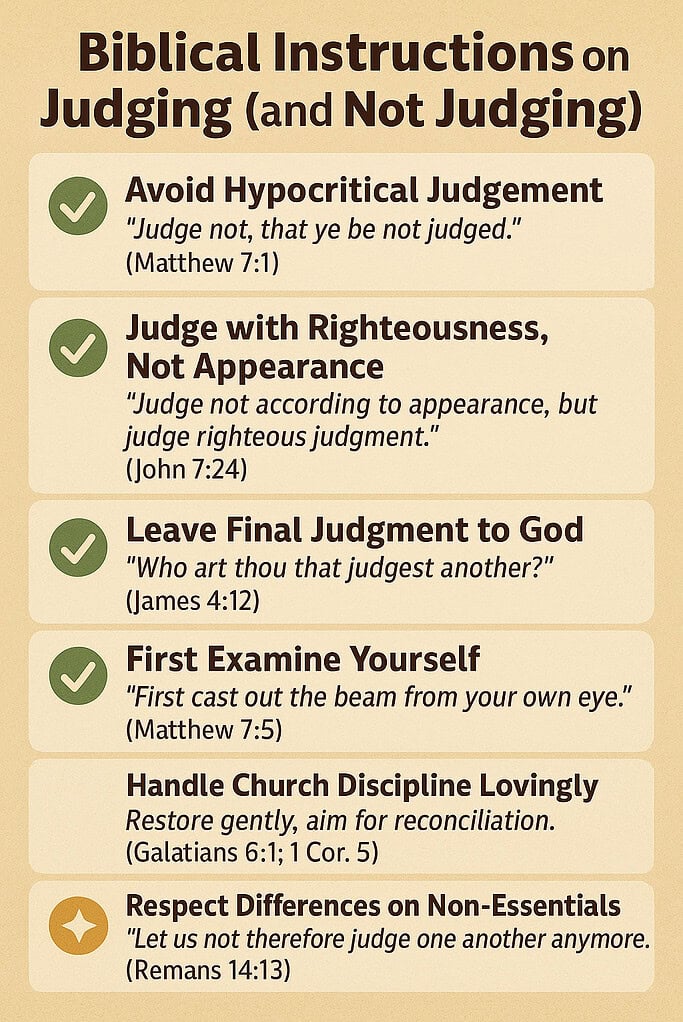
So, as everyday Christians trying to live out our faith, how are we supposed to handle judgment?
The Bible actually gives quite a bit of practical teaching on when and how we should judge, as well as warnings about improper judging.
It can feel like a tightrope sometimes: on one hand “judge not”, on the other “judge righteous judgment.” Let’s break down some key instructions and examples from the New Testament that help us get this right:
“Judge Not, That Ye Be Not Judged” (Matthew 7:1-5):

This is probably the most quoted instruction about judging.
- In Matthew 7, Jesus tells us not to judge others, or we will be judged by the same measure. He humorously points out that we often notice the speck in someone else’s eye while ignoring the beam (plank) in our own eye. Ouch!
The point here isn’t that we should never form an opinion or call a sin a sin – Jesus isn’t prohibiting moral discernment. He’s warning against a hypocritical, self-righteous attitude that overlooks one’s own faults.
In a way, He’s saying “Take care of your own big issues before you try to ‘help’ (or criticize) someone else with their issues.”
So the takeaway: Don’t rush to judgment on others, especially when you have glaring issues yourself. Humility first!
Judge Righteously, Not Superficially (John 7:24):
- Here Jesus balances things by telling us to judge, but in the right way. “Judge not according to the appearance, but judge righteous judgment.”
This means we should use discernment – but based on righteous standards, not shallow criteria. The context was people judging Jesus by outward factors (like healing on the Sabbath) rather than the deeper truth of who He is.
For us, it’s a reminder not to judge people by things like appearance, race, social status, or even one snapshot of their actions without context.
If we must judge a situation, we better make sure we’re doing it by God’s standards of fairness, truth, and love. Righteous judgment also implies our motive matters – are we trying to help and restore, or just feeling superior?
Don’t Condemn or Pass Final Judgment on Others (Luke 6:37 & James 4:12):
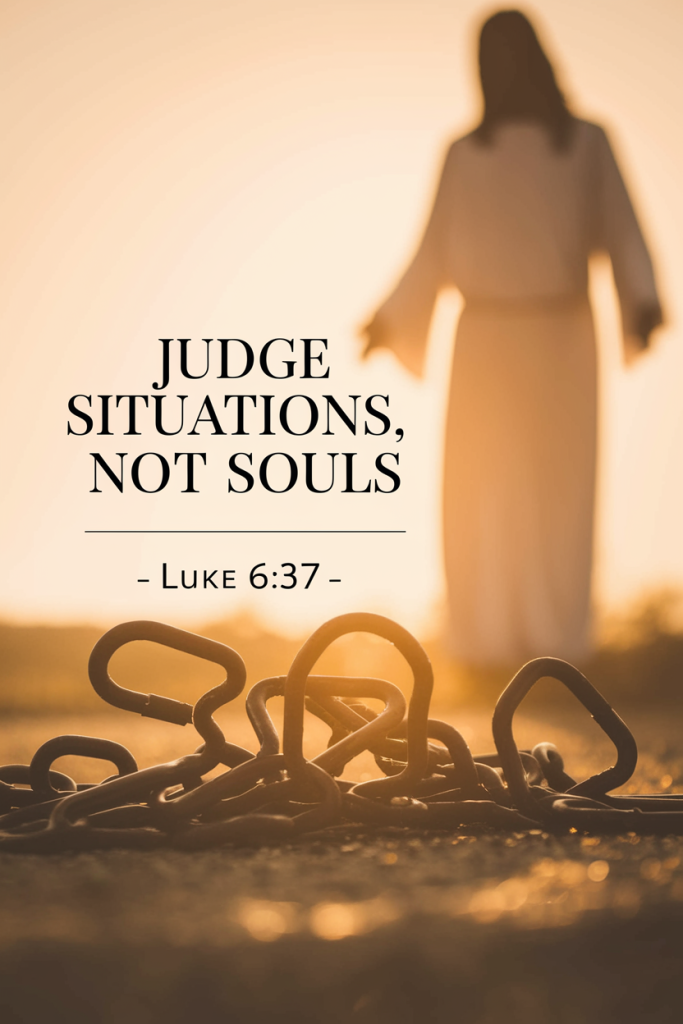
As mentioned earlier, Jesus said “condemn not” in the same breath as “judge not.”
- James 4:12 reinforces that “There is one lawgiver, who is able to save and to destroy: who art thou that judgest another?”
In other words, don’t play God in someone’s life. We aren’t in the position to declare someone irredeemable or to hand down eternal sentences on them – that’s God’s job.
This instruction helps us keep a posture of humility and compassion.
When someone messes up, we might recognize it as wrong (that’s judgment in the discernment sense), but we shouldn’t write them off or treat them with a spirit of condemnation.
We’re told to forgive “seventy times seven” (Matthew 18:22) – basically, don’t stop forgiving.
Why? Because God has been so merciful to us. One practical tip I try to follow: if I catch myself thinking, “How could they do that? I’d never...,” I pause and remember I’m a sinner too and but for God’s grace I could fall in other ways. That helps squash the condemning vibe.
Deal With Your Own Sin First (1 Corinthians 11:31, Matthew 7:5):
We touched on this, but it’s worth emphasizing.
- 1 Corinthians 11:31 (in context of taking Communion carefully) says if we judge (examine) ourselves, we won’t be judged by God.
The principle is taking personal responsibility. Jesus said first take the beam out of your eye then you’ll see clearly to help your brother with the speck.
So the Christian life involves self-judgment in the sense of reflection and repentance.
It’s actually a relief to do this – when I regularly come to God and say, “Search me... show me where I’m off,” I experience His gentle correction and grace.
It keeps me from getting into a mindset of, “I’ve got it all together, let me fix others.” Instead, I realize we’re all works in progress. So weirdly, the more you judge yourself (honestly, not harshly), the less judgmental you become toward others.

Exercising Church Discipline and Discernment (1 Corinthians 5 & 6):
Now, not judging doesn’t mean a church ignores serious sin among believers. The Bible does instruct that blatant, unrepentant sin in the community must be addressed (see 1 Corinthians 5, where Paul tells the church to discipline a man in grievous sin).
- Paul actually says, “do not ye judge them that are within [the church]?” (1 Cor 5:12) – indicating the church should make judgments in these cases.
This is often called church discipline or accountability. The key is it’s done not to condemn but to bring about repentance and protect the church’s purity.
- Likewise, in 1 Corinthians 6:1-5, Paul scolds believers for suing each other in secular courts and says they should be wise enough to settle trivial disputes among themselves – “Is it so, that there is not a wise man among you...that shall be able to judge between his brethren?”
So clearly, there is a proper place for Christians using judgment to make fair decisions and call out wrongdoing within the community, but always for restoration, not vindictiveness. It’s a family matter, handled with love.
“Let every man be fully persuaded in his own mind” (Romans 14):
In Romans 14, Paul tackles the issue of Christians judging each other over disputable matters (like diet or special days). He basically says, stop passing judgment on disputable issues.
Don’t quarrel over opinions. Each of us will give account to God, so we shouldn’t despise or judge a brother over things that aren’t clearly sin. Instead, he advises to respect each other’s conscience and do everything unto the Lord.
This is so practical – even today, Christians might judge each other on things like styles of worship, drinking alcohol or not, etc.
The instruction here is to focus on your own walk with God and not police everyone else’s personal choices. Unity and love are more important than scoring judgment points.
- Paul sums it up: “Let us not judge one another anymore: but judge this rather, that no man put a stumbling block or an occasion to fall in his brother’s way.” (Rom 14:13).
In other words, worry less about them and more about not doing anything that would cause them to stumble. That’s a humble approach.
Speak the Truth in Love (Ephesians 4:15):

While not using the word judge, this principle is the balance. We are called to speak truth to one another – which implies at times lovingly correcting or warning – but to do it in love.
If I see a close friend doing something self-destructive, love compels me to say something, but not from a holier-than-thou stance. It’s “Hey, I care about you, and God’s Word says this path is harmful...”
- That’s a kind of judgment call, but it’s done in a spirit of gentleness (Galatians 6:1 says if someone is overtaken in a fault, restore them gently, watching yourself too).
In summary, the Bible’s instructions about judgment for Christians boil down to: be humble, be fair, be gentle, and be cautious.
Don’t ever think you are the ultimate judge – you’re not, God is. Don’t delight in finding faults; instead, be quick to show mercy and give the benefit of the doubt.
However, do exercise wisdom and discernment. Judge things (and teachings) against Scripture. If you must address sin, do it lovingly and with restoration in mind.
And remember, we’ll all answer to the Lord, so focus on keeping your own account clear.
As someone who has both dished out and received my share of judgmental attitudes, I know this is tough. But the Holy Spirit helps us grow into people who can discern right from wrong without turning into harsh critics.
Examples of Judgment in the Old Testament
The Old Testament is full of stories of judgment – both of human judgments (like leaders making decisions) and God’s direct judgments.
These stories aren’t just ancient history; they teach us about God’s character and sometimes mirror what will happen on a larger scale later. Here are some notable examples:
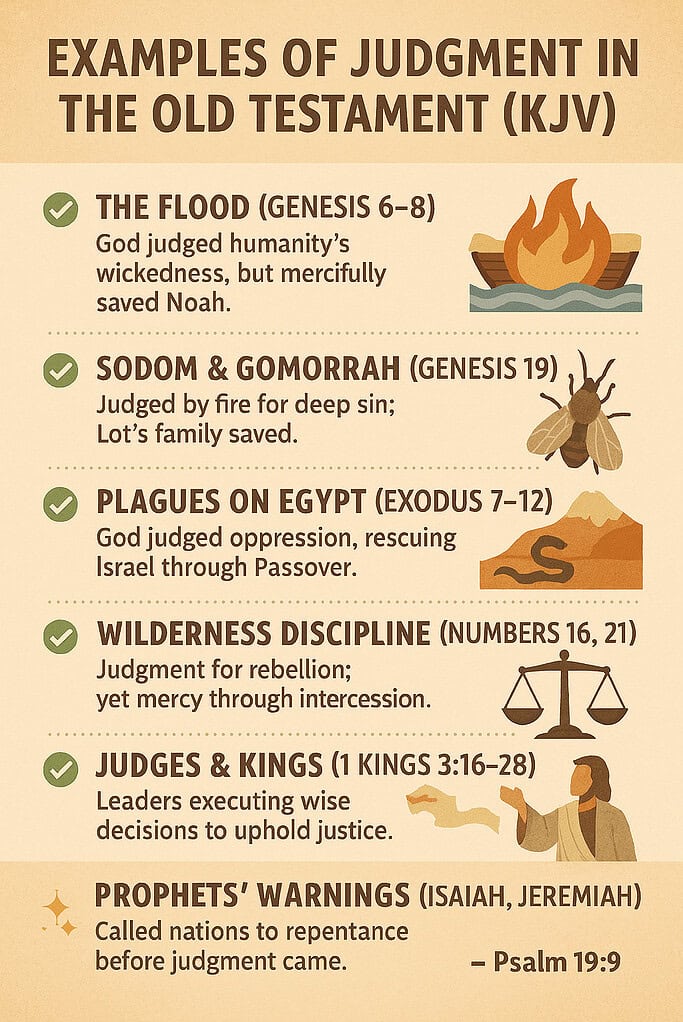
Noah’s Flood (Genesis 6-8):
When the world had become utterly corrupt and violent, God sent a cataclysmic flood as a judgment on human wickedness. Only Noah (described as a righteous man) and his family were spared, along with pairs of animals, by entering the ark God told him to build.
This is the classic example of divine judgment on sin. It’s severe – basically a restart for humanity. Yet even here we see mercy: God warned Noah to build the ark, providing a way of escape.
And after the flood, He promised never to destroy the earth with water again, sealing it with the rainbow. The Flood stands as a warning that God has the authority to judge His creation, but also a promise of His mercy and faithfulness.
Sodom and Gomorrah (Genesis 19):
These cities were judged by God with fire and brimstone from heaven because of their extreme wickedness. Only Lot and his daughters escaped (his wife too, but she infamously looked back and became a pillar of salt – a cautionary tale about clinging to sin).
Sodom and Gomorrah’s destruction is often cited in later Scripture as an example of God’s judgment on immorality and injustice. It’s a sobering story.
Yet, remember how Abraham interceded beforehand, asking God to spare the cities if even 10 righteous people were found there (Genesis 18:22-33). God agreed to that!
It turned out there weren’t even 10, but the dialogue shows God wasn’t eager to destroy – He was responsive to mercy if righteousness could be found. Ultimately, the judgment fell, demonstrating that God will not let rampant evil go unanswered.
The Plagues on Egypt (Exodus 7-12):
Fast-forward to Moses in Egypt. Pharaoh stubbornly refuses to let Israel go, and God sends a series of ten plagues – from water turning to blood, to swarms of locusts, darkness, and finally the death of the firstborn.
These plagues were judgments on Egypt’s gods and oppression. Each plague confronted something the Egyptians worshiped or depended on, showing the LORD’s power.
The final plague (death of the firstborn) was the harshest judgment, but even then God provided a merciful covering: the blood of the Passover lamb on the Israelites’ doorposts spared them from the destroyer.
The Exodus plagues show God executing judgment to liberate His people, while also distinguishing between the righteous and the wicked. It’s a pattern repeated later – God judging nations or people who attack His chosen ones.
Israel’s Wilderness Judgments:
During the 40 years in the wilderness, the Israelites experienced several judgments for their disobedience.
For instance, when they worshiped the golden calf (Exodus 32), or when Korah led a rebellion (Numbers 16) and the earth opened up to swallow the rebels, or when the people constantly complained and God sent fiery serpents (Numbers 21).
These were immediate disciplinary judgments. They might seem harsh, but they underscore that God was serious about shaping Israel into a holy nation.
Each time, though, there was an opportunity for repentance. Moses often interceded and God relented from wiping them out entirely (a great example of mercy tempering judgment).
Judges and Kings:
The very title “Judges” for the leaders God raised in the book of Judges tells us something. These figures (like Deborah, Gideon, Samson) acted as deliverers, but also as judges in the sense of leading and making decisions.
Deborah, for example, actually held court under a palm tree to settle disputes (Judges 4:4-5). Their leadership was to bring Israel back into line when they strayed.
Later, kings like David and Solomon were expected to execute justice and judgment in the land.
King Solomon’s famous judgment between two women claiming the same baby (1 Kings 3:16-28) is a classic example of wise human judgment.
Solomon’s clever test (suggesting to split the baby in two) revealed the true mother, and everyone marveled that God’s wisdom was in him to do judgment. So in the OT, judgment is also seen in the day-to-day governance of God’s people.
Prophetic Warnings of Judgment:

A huge portion of the OT is the Prophets warning Israel (and surrounding nations) that if they continue in sin, God’s judgment will come via war, exile, or disaster.
Examples: Isaiah, Jeremiah, Ezekiel all prophesied that Jerusalem would be judged and destroyed for its idolatry and injustice – which happened in stages, ultimately with the Babylonian exile (586 B.C. temple destroyed).
Those events (fall of Samaria in 722 B.C., fall of Jerusalem in 586 B.C.) were seen as God’s judgment using foreign armies as instruments. Yet, the prophets also always spoke of restoration after the judgment – again, mercy in the midst of judgment.
The Book of Jonah is an interesting twist: Jonah announces to Nineveh, “40 days and Nineveh shall be overthrown.” That’s a judgment prophecy.
But what happened? Nineveh repented in sackcloth, and God withdrew the judgment! Jonah actually gets upset because he wanted to see them toast, but God says, essentially, I wanted to show mercy when they turned from evil.
So, the OT prophets give us both sides: inevitable judgment when there’s hardened unrepentance, and the possibility of mercy if there’s repentance.
Judgment as Cleansing or Purifying:
Not all judgment stories are purely punitive. Some have a purifying function. For example, Malachi 3:1-3 speaks of the Lord coming like a refiner’s fire to purify the sons of Levi – a metaphorical judgment to cleanse His people.
Even the exile of Israel had a refining effect – it cured them of idol worship by the time they returned.
Sometimes we see individuals judged in a way that leads to a greater good, like when Uzzah touched the Ark and was struck dead (2 Samuel 6:6-7), which caused David and Israel to treat God’s holiness with more reverence thereafter.
Or when David sinned by numbering the people, God sent a plague but then halted it at the threshing floor of Araunah – which later became the site of the temple (2 Samuel 24).
It’s like God’s judgment laid the groundwork for something holy. These examples show that God’s judgment in the OT was not random – it had purposes: to uphold His holiness, to correct and restore His people, and to eventually point toward an ultimate justice.
These Old Testament examples set the stage. They reveal a God who takes sin seriously (He will judge it), but also a God who takes mercy seriously (He will save those who turn to Him). They also create a sense of expectation: if God judged evil in the past, will He not ultimately judge all evil? That question leads us into the New Testament’s take on judgment.
Examples of Judgment in the New Testament
In the New Testament, the focus of judgment shifts in some ways – it zeroes in on eternal judgment and spiritual truth, though there are still temporal judgments mentioned.
And the one who has the starring role here is Jesus Christ – He came first to save, but He also spoke about judgment quite a bit (both present and future). Let’s look at some examples and teachings on judgment in the NT:
Jesus’ Teachings on Future Judgment:
Jesus often spoke of a coming day of judgment.
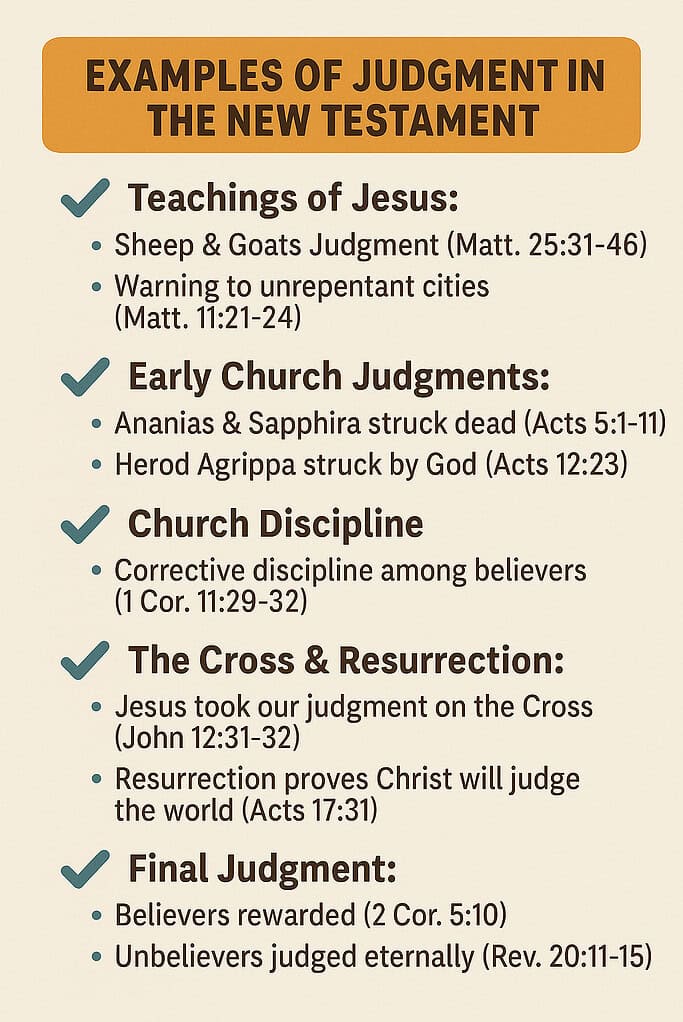
- In Matthew 25:31-46, He gives the vivid picture of the Sheep and Goats judgment – when He returns in glory, He will separate people like a shepherd separates the sheep from the goats, based on whether they lived out faith through love (feeding the hungry, etc.).
This shows Jesus Himself is the Judge at the end of the age.
- Similarly, in Matthew 13:24-30, 36-43, Jesus tells the parable of the wheat and the tares (weeds) – saying let them grow together till harvest, then in the end the weeds will be gathered and burned (symbolizing the wicked facing judgment) and the wheat (the righteous) gathered to God.
He explains that the angels will separate the wicked from among the just. These teachings make it clear that a final sorting out is coming.
- Jesus even references OT judgments as comparisons: “As it was in the days of Noah... as in the days of Lot... even thus shall it be in the day when the Son of man is revealed.” (Luke 17:26-30).
So He uses those OT stories (Flood, Sodom) to say the final judgment will similarly catch people by surprise who aren’t prepared.
Jesus’ Warnings to Unrepentant Cities:
Not all of Jesus’ talk of judgment was reserved for the end-times. He also pronounced woes on certain towns in His own day.
- For example, Chorazin and Bethsaida (towns where He did miracles but they didn’t repent): He said it will be “more tolerable for Tyre and Sidon in the day of judgment than for you” (Matthew 11:21-22). And “more tolerable for Sodom than for [Capernaum]” (Matthew 11:23-24). Yikes!
Those are strong words – basically saying, you guys saw the Son of God and ignored Him, so your judgment will be even stricter.
- Jesus also denounced the religious leaders (Matthew 23) for their hypocrisy, saying they would not escape “the damnation of hell” and that the blood of all the prophets would come on that generation.
Indeed, within a generation Jerusalem was destroyed (A.D. 70), which many see as a temporal judgment for rejecting the Messiah. These examples show that Jesus wasn’t just a gentle teacher; He was also a prophet declaring God’s judgment on persistent unbelief, especially in the face of great light.
Ananias and Sapphira (Acts 5):
In the early church, we see a striking instance of immediate judgment. Ananias and Sapphira lied to the apostles (and to the Holy Spirit) about the proceeds of a land sale, pretending to donate all when they secretly kept some.
God struck them down dead on the spot, one after the other, when confronted by Peter. This wasn’t Peter’s doing – it was seen as God’s direct judgment to keep the young church pure and reverent.
- Needless to say, “great fear came upon all the church” (Acts 5:11).
This example is like an echo of Old Testament style judgment (quick and physical) but happening under the New Covenant. It reminds us that God hasn’t changed His view on sin – grace is not to be abused.
- It’s also a fulfillment of sorts of the principle “judgment must begin at the house of God” (1 Peter 4:17).
Herod’s Death (Acts 12):
- Another dramatic NT judgment: Herod Agrippa I (grandson of Herod the Great) accepted praise as a god from the crowd, and “immediately the angel of the Lord smote him, because he gave not God the glory: and he was eaten of worms, and gave up the ghost” (Acts 12:23).
Talk about graphic! That’s a divine judgment for pride and blasphemy. This event is also recorded by the historian Josephus. It serves as a warning that God still holds rulers accountable. No one is too high and mighty to evade His judgment.
Discipline in the Church (1 Corinthians 11:29-32):
Paul tells the Corinthians that some of them were experiencing sickness or even death because they were taking the Lord’s Supper unworthily – not judging the body rightly.
- He says “when we are judged, we are chastened of the Lord, that we should not be condemned with the world.” (1 Cor 11:32).
This implies that certain hardships or even deaths among believers were disciplinary judgments from God to correct them, so that they would not be condemned eternally.
It’s a sober reminder that while believers are saved, God may still give temporal judgments (discipline) for our good. Think of it like a loving but firm father who won’t let his kids continue in destructive behavior without intervening, even if painfully.
The Cross – Judgment of Sin and Salvation of Sinners:
The most paradoxical “judgment” in the NT is the cross of Christ.
- Jesus said in John 12:31, as He approached the cross, “Now is the judgment of this world: now shall the prince of this world be cast out.”
On the surface, the cross looked like Jesus was being judged (condemned by the council and Pilate). But in reality, God was judging sin there – our sin on Jesus.
It was also the decisive judgment against Satan (the prince of this world) and all the forces of evil, sealing their defeat.
- Colossians 2:15 says Jesus at the cross “disarmed principalities and powers.”
So the cross is where the gavel of God’s justice came down on sin, but in such a way that Jesus took the penalty. Thus, it becomes the source of mercy for us.
This is why Romans 3:26 says God is just and the justifier of him that believes in Jesus – at the cross, He remained just (judging sin) while justifying sinners (declaring us righteous) because of Jesus paying our debt. Wow.
Every time I consider this, I’m blown away by how judgment and grace met in such a brilliant, unexpected way.
The Resurrection and Ascension – Appointing the Judge:
The NT also reveals that Jesus is appointed as the Judge of all.
- Acts 17:31 says God “hath appointed a day, in the which he will judge the world in righteousness by that man whom he hath ordained; whereof he hath given assurance unto all men, in that he hath raised him from the dead.”
- The resurrection of Jesus is like God’s declaration, “This is the one who will carry out judgment.”
- And John 5:22,27 says “the Father judgeth no man, but hath committed all judgment unto the Son… and hath given him authority to execute judgment also, because he is the Son of man.”
So our judge will be the One who also walked in our shoes. That gives me comfort – He’s totally just, but also understands our weaknesses.
For believers, this is good news because we know our judge personally as our Savior and Friend. For those who reject Him, it’s a warning that the very one they reject will be their judge.
Judgment Seat of Christ & Great White Throne (2 Corinthians 5:10 & Revelation 20:11-15):

The NT outlines different aspects of final judgment.
- Believers will appear before the Judgment Seat of Christ (Greek Bema seat, like an awards podium) to receive rewards for their works (2 Cor 5:10, Romans 14:10-12).
This is not a judgment of condemnation for Christians, but an evaluation of our service. It’s like a performance review, where even a cup of cold water given in His name will be rewarded.
- Our salvation is secure, but our faithfulness will be rewarded (or we may suffer loss of potential reward as 1 Cor 3:13-15 describes, yet still be saved “as by fire”).
Then there’s the scene in Revelation 20 often called the Great White Throne Judgment.
This is where all the remaining dead (unbelievers) are judged “according to their works” and if their names are not in the book of life, they’re cast into the lake of fire.
It’s the ultimate court session of God’s justice. Very sobering. The result is the final separation of evil from God’s renewed creation. After this, in Revelation 21-22, we see the New Heaven and New Earth with no more sorrow or death – because sin and its judgment are dealt with once for all.
Those NT examples and teachings complete the picture: God’s judgment is both present and future. There are instances of it happening in history to warn us and guide the church, but the grand finale is yet to come.
And at the center of it all is Jesus – either bearing our judgment or executing judgment, depending on where we stand with Him. As a believer, I find that both comforting and motivating.
It’s comforting that Jesus has taken my condemnation and that any judgment I face is a refining, loving discipline or a reward evaluation, not wrath. It’s motivating because I want to live in a way that pleases Him, knowing I’ll give an account of my life.
Blessings, Metaphors, and Symbolic Uses of Judgment

The Bible not only talks about judgment in literal terms, but also uses poetic and symbolic language to describe it.
Sometimes judgment is portrayed with rich imagery or metaphors, and surprisingly, sometimes it’s even spoken of as something positive or worth celebrating.
Here are some of the ways Scripture paints pictures of judgment or uses it in a metaphorical sense:
Judgment as Light and Guidance:
- Ever heard the verse “Thy word is a lamp unto my feet” (Psalm 119:105)? A few verses before that, the psalmist says, “I have sworn, and I will perform it, that I will keep thy righteous judgments” (119:106).
- In Psalm 119, judgments often means God’s directives or decisions. They’re depicted as something precious.
- Another example, Psalm 19:9-10, “the judgments of the LORD are true and righteous altogether. More to be desired are they than gold… sweeter also than honey.”
Wait, God’s judgments are sweeter than honey?
That’s not how we usually think of judgment! But here it’s talking about God’s judicial declarations (His laws and verdicts) as being totally trustworthy and even sweet to those who love righteousness.
It’s like saying God’s way of running the world is a delight because it’s so perfectly right. So in a sense, judgment (as in God’s truth) is a light and a treasure to guide us.
Harvest Metaphor:
Judgment is often described like a harvest in the Bible. We saw that with wheat and tares.
- Revelation 14:14-20 has two harvest images – a grain harvest of the righteous, and a grape harvest of the wicked being thrown into “the great winepress of the wrath of God.”
The winepress is a vivid metaphor: grapes are trampled and out comes wine (or blood, in the judgment imagery).
- Isaiah 63:1-6 and Revelation 19:13-15 both depict the Lord as treading the winepress in wrath. It’s intense imagery meant to show God executing judgment decisively.
- On the flip side, the harvest of grain or gathering of wheat into barns (Matthew 13:30) is a happy image for saving the righteous.
So harvest, with its separation of wheat and chaff, good grapes and bad, became a natural picture of the final judgment.
- John the Baptist also used this, saying Jesus has a winnowing fork in His hand to clear the threshing floor, gathering wheat and burning chaff (Matthew 3:12).
Cup of Judgment:
In Scripture, a cup can symbolize God’s judgment or wrath.
- The prophets spoke of nations having to drink the cup of God’s wrath (e.g. Jeremiah 25:15-17).
- In the Garden of Gethsemane, Jesus prayed, “Father, if it be possible, let this cup pass from me – nevertheless not my will, but thine be done.” (Luke 22:42).
That “cup” was essentially the cup of judgment – the suffering and wrath He would endure on the cross for our sins. He drank that cup so that we wouldn’t have to drink the cup of wrath ourselves.
- In Revelation, Babylon (representing a wicked world system) is said to drink the cup of God’s fury (Rev 16:19).
So, whenever you see references to a cup in a prophetic context, think of it as either a cup of blessing or a cup of judgment.
- For believers, we get to drink the “cup of salvation” (Psalm 116:13) because Jesus took the cup of judgment.
Baptism of Fire:

- John the Baptist said Jesus would baptize with the Holy Spirit and with fire (Luke 3:16).
Fire in the Bible often symbolizes purification or judgment (or both).
The idea of a baptism of fire can be taken to mean a refining judgment – like Malachi 3’s refiner’s fire. On Pentecost, the Holy Spirit appeared as tongues of fire, bringing purification and power.
- At the end of the age, 2 Peter 3:10-12 says the world will be purged with intense heat – a fiery judgment that leads to a new heaven and new earth.
So fire is both destructive to dross and refining for gold.
- For the believer, trials can be seen as a refining fire of God’s judgment in a disciplinary sense (1 Peter 1:7, 4:12).
- For the unbeliever, fire is punitive (Hebrews 10:27 speaks of “a certain fearful looking for of judgment and fiery indignation”).
In symbolic terms, fire = judgment, whether that judgment’s aim is to purify or to punish.
Throne of Judgment:
Many visions of God show Him on a throne executing judgment.
- In Daniel 7:9-10, Daniel sees the Ancient of Days on a fiery throne with wheels, and “the judgment was set, and the books were opened.”
- This clearly foreshadows the final judgment scene later described in Revelation 20 (which also has books opened).
- In Revelation 4-5, God’s throne is surrounded by justice imagery (lightnings, a sea of glass like a court, etc.), and in Revelation 20 John says, “I saw a great white throne and him that sat on it.”
The throne symbolizes God’s authority to judge.
Even earthly kings had thrones of judgment – Solomon had an impressive throne from which he gave judgments.
- The Psalms frequently mention God’s throne being founded on righteousness and judgment (Psalm 89:14).
So whenever you picture God as King on His throne, inherent in that is Him being Judge. The throne is a symbol of both power and the right to mete out justice.
Mercy Seat vs. Judgment Seat:
Here’s a beautiful symbolic contrast. In the OT tabernacle, the mercy seat was the cover of the Ark where blood was sprinkled on the Day of Atonement – it represented God’s throne among His people where mercy was given through sacrifice.
In the NT, we’re told about the judgment seat (bema) of Christ where rewards are given.
- It’s interesting that for believers, God’s throne has become a place of mercy (Hebrews 4:16 invites us to “come boldly to the throne of grace”).
The same God who is judge provided the mercy seat (ultimately, Jesus’ sacrifice) that covers our sins.
So the “mercy seat” imagery shows that even in the heart of judgment (the Ark contained the law which we broke), God provided mercy through atonement.
These symbolic pieces of furniture teach theology: judgment is satisfied by mercy for the believer.
(If you want to geek out: the Greek word “hilasterion” used for Jesus in Romans 3:25 is the same word for mercy seat in the Greek OT – Jesus is our mercy seat, the atoning cover that turns the judgment seat into a throne of grace for us.)
Songs of Judgment:
Believe it or not, people in the Bible actually sang about judgment in a good way.
- For example, Psalm 96:11-13 says “Let the heavens rejoice, and let the earth be glad… before the LORD: for he cometh, for he cometh to judge the earth: he shall judge the world with righteousness, and the people with his truth.”
It portrays all creation rejoicing that God is coming to judge! Why? Because it means evil will be dealt with and justice will prevail.
- In Revelation 19:1-2, a great multitude in heaven shouts “Hallelujah!” because God’s judgments are true and righteous, and He has judged the great harlot (a symbol of a corrupt system) and avenged the blood of His servants.
So in heaven, God’s judgment is celebrated as part of His glorious holiness. It might seem strange to our ears, but if we’ve ever longed for justice when we see atrocities or suffering, it makes sense: one day God will right every wrong, and that is something to praise Him for.
All these metaphors and symbolic uses enrich our understanding. They show judgment not just as a doctrine, but as something woven into the story of redemption and God’s poetic communication to us.
Judgment has flavors – sweet as honey when it refers to God’s word, bitter as wormwood to the unrepentant (Revelation 8:11 uses wormwood imagery in trumpet judgments), purifying like soap (Malachi 3:2 speaks of the Lord as “fuller’s soap”), and final like harvest.
Personally, seeing these images helps me appreciate that God’s judgment is not a flat, one-dimensional thing. It’s multifaceted, purposeful, and even beautiful in its own way because it reflects God’s perfect justice and holiness.
Connecting the Old and New Testaments on Judgment

One of the fascinating things about the Bible is how the Old and New Testaments connect, especially on themes like judgment.
It’s really one big story, and we see threads of prophecy, foreshadowing, and fulfillment running through it. Here are some key connections between the OT and NT regarding judgment:
Prophecies of Final Judgment:
The OT prophets frequently spoke of the “Day of the LORD” – a future time of divine judgment on the world and deliverance for God’s people.
- For instance, Zephaniah 1 paints a picture of a day of wrath and distress upon men for their sins.
- Joel 3:14 talks about “multitudes in the valley of decision” (or verdict) on the Day of the Lord.
- Daniel 12:2 mentions many who sleep in the dust awakening to either everlasting life or shame (a resurrection and judgment reference).
These prophecies set the stage for the NT, which clearly identifies this final judgment scenario:
- Jesus and the apostles speak of a future resurrection of the just and unjust (John 5:28-29, Acts 24:15) and a day of judgment by Christ (as we saw in Acts 17:31).
- The Book of Revelation, with its vivid depictions of end-time judgments, can be seen as fulfilling many OT prophetic expectations (e.g., the sun turning dark, etc., echo things like Joel 2:31).
So, the NT doesn’t introduce judgment out of the blue – it confirms what the OT foretold, but now we know Jesus is the center of it.
Types and Shadows of Christ’s Judgment Work:
Many people, events, and laws in the OT foreshadow what Christ would do in terms of judgment and salvation.
- For example, Noah’s Ark is a type of salvation through judgment – the ark took the beating of the floodwaters so Noah’s family stayed safe inside, similar to how Christ bore God’s judgment so we are safe in Him.
- The Passover lamb and the blood on the doorposts in Egypt prefigured Jesus’ blood shielding us from judgment.
- The cities of refuge in the law (Numbers 35) provided a safe haven from avenging judgment – a picture of running to Christ for refuge from the coming judgment.
- Also, those judges and deliverers like Moses, Joshua, Othniel, etc., each in part foreshadow aspects of Jesus as the ultimate Judge and Savior.
- Moses both delivered Israel and also judged sin within the camp; Jesus delivers us and will judge the world.
- King David executed justice and judgment to his people (2 Samuel 8:15) – he was a messiah figure (anointed one) whose descendant would be the perfect judge.
- Isaiah 11:3-4 speaks of a coming descendant of David (the Messiah) who “shall not judge after the sight of his eyes... but with righteousness shall he judge the poor, and reprove with equity for the meek of the earth.” That’s clearly fulfilled in Jesus’ character at His first coming and ultimately in His second coming when He judges perfectly.
Covenant and Law Progression:
In the OT, Israel was under the Law of Moses, and there were blessings for obedience and curses (judgments) for disobedience (see Deuteronomy 28).
These national judgments (like exile) were a prototype of how God deals with mankind. In the NT, the scope widens: it’s not just Israel, but all nations are accountable to God.
And rather than blessings/curses mediated through the Sinai covenant, we have the New Covenant in Christ which offers salvation to all, Jew and Gentile, who believe – and conversely, warns of judgment for those who reject.
Hebrews 2:2-3 draws a connection: if disobeying the OT law brought serious judgment, “how shall we escape, if we neglect so great salvation” now offered in Christ?
The implication is the greater the revelation, the greater the accountability.
The OT gave the law and foreshadowed atonement through sacrifices; the NT says the ultimate sacrifice has come, so rejecting Him leaves no more sacrifice for sins, only judgment (Hebrews 10:26-27).
It’s a progression from lesser to greater. Also, whereas OT judgments were often immediate and temporal (droughts, plagues, wars), NT emphasizes the eternal stakes.
The OT did hint at eternal outcomes (e.g. Daniel 12, Psalm 1 contrasting the final end of righteous vs wicked), but the NT shines a floodlight on it with teachings about hell, eternal life, etc.
Mercy in the OT and NT:
Sometimes people think the OT is all judgment and the NT is all love. Not true – there’s plenty of mercy in the OT and plenty of judgment in the NT!
- For example, God’s self-description in OT is “The LORD, merciful and gracious, longsuffering, forgiving iniquity... but who will by no means clear the guilty” (Exodus 34:6-7).
- That carries into the NT where God’s love is emphasized (John 3:16) but it’s clear that without Christ, “the wrath of God abideth” (John 3:36).
The connection is that both testaments reveal the same God – holy and loving.
The difference is degree of revelation: the NT fully reveals how God can be just and merciful through Jesus. But even in OT, we saw cases like Nineveh where God’s default desire was mercy in response to repentance.
And in the NT, we have the ultimate act of mercy at the cross, yet the ultimate warning of judgment in Revelation. So they are in harmony, not opposition, once we see the full picture.
Prophecy and Fulfillment in Christ’s Two Comings:
The OT prophets often mixed prophecies of Messiah’s humble, saving role and His reigning, judging role (sometimes in the same breath) not realizing there’d be two comings of Christ.
- For instance, Isaiah 61:1-2 speaks of Messiah proclaiming the acceptable year of the Lord and the day of vengeance of our God.
- When Jesus read this in the Nazareth synagogue (Luke 4:18-20), He stopped halfway – right before the mention of vengeance – and said “Today this is fulfilled in your hearing.”
Why did He stop?
Because in His first coming, He was fulfilling the salvation part (“acceptable year of the Lord” = grace period), and the “day of vengeance” was yet future, tied to His second coming.
This shows the progressive revelation: the first coming of Christ initiated the kingdom with mercy and a call to repentance; the second coming will consummate it with judgment on those who refused that mercy.
So Old and New are connected like promise and later fulfillment, separated by the “mystery” of the church age in between, where God’s patience holds off the final judgment to gather in more people (2 Peter 3:7-9).
Consistent Imagery and Language:
Another connection is simply the reuse of phrases and images. Jesus didn’t shy away from using OT language about judgment.
- E.g., “where their worm dieth not and the fire is not quenched” (Mark 9:48) is a quote from Isaiah 66:24 about the fate of the wicked.
- Revelation’s imagery of Babylon’s fall uses lines from Jeremiah’s oracles against ancient Babylon. The idea of God writing a book of remembrance (Malachi 3:16) connects to the books opened in Rev 20.
- Even the title “Son of Man” which Jesus uses for Himself as Judge (Matt 25:31-32) harkens back to Daniel 7 where a Son of Man is given authority to rule and judge.
- When Jesus says He’ll sit on the throne of His glory and judge the nations, He’s basically saying, “I’m that glorious figure Daniel saw.”
So we see a seamless tapestry: the OT provides the symbols and initial visions; the NT personifies and fulfills them in Christ.
In essence, the New Testament developments don’t discard the Old Testament themes of judgment – they deepen and clarify them. The major development, of course, is the revelation of how God can be just and justify sinners through Jesus (something hinted by sacrificial system but now made explicit).
Also the scope goes from God’s temporal judgments on Israel and nations to the universal, eternal judgment of all souls, with Christ at the center.
For me, seeing these connections increases my faith. It shows the Bible is consistent and that God’s plan was unfolding all along. It also teaches an important lesson: with greater revelation (like we have in NT) comes greater responsibility.
Jesus said that it will be more tolerable for Sodom than for those who saw the Messiah and rejected Him – which ties into “to whom much is given, much will be required” (Luke 12:48). We’ve been given the full gospel; our accountability is high – but so is the grace available to empower us.
Fulfillment and New Insights in the New Testament
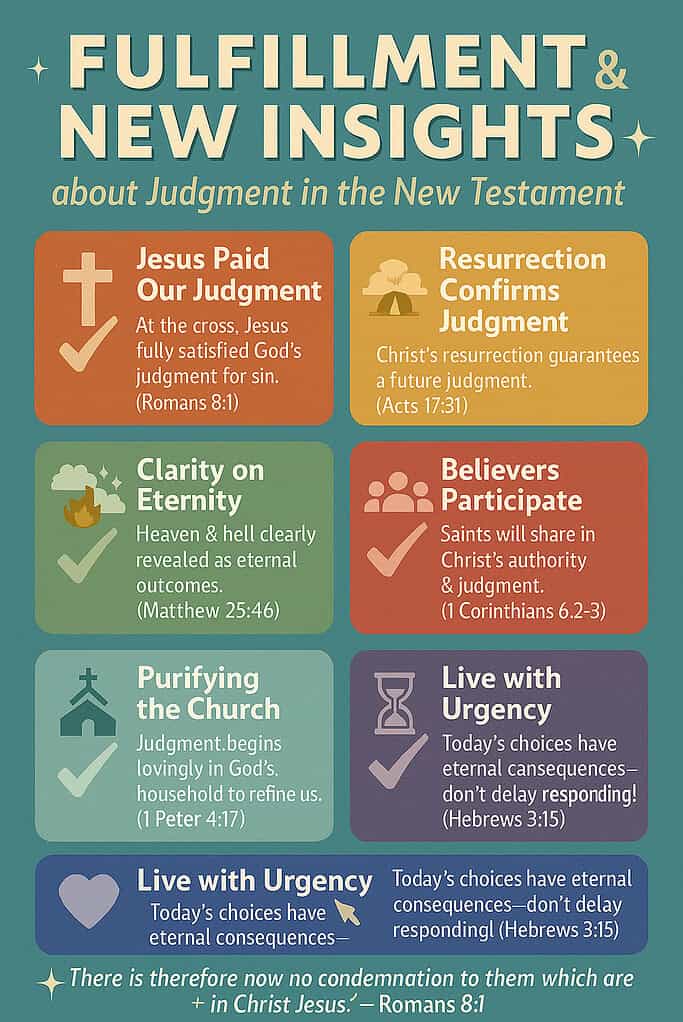
The New Testament not only connects with the Old; it also reveals new aspects of God’s judgment that were not fully clear before. It brings a lot of threads to a culmination. Here are some key fulfillments and developments concerning judgment in the NT:
Christ’s Atonement Fulfilled Judgment on Sin:
All those sacrifices and Passover lambs in the OT were fulfilled when Jesus, the Lamb of God, died on the cross. This was the pivotal moment of judgment in history.
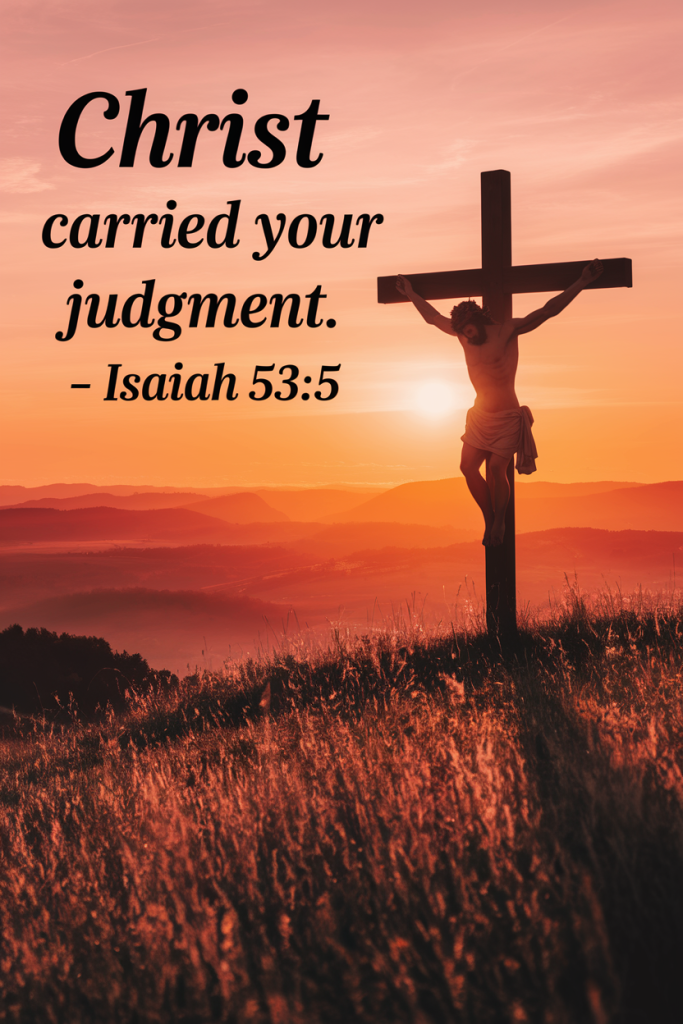
It’s like a cosmic courtroom where our guilt was placed on Jesus (2 Corinthians 5:21, “he was made sin for us”) and God’s righteous judgment struck Him in our place (Isaiah 53:5 – “He was wounded for our transgressions… the chastisement of our peace was upon Him”).
- What’s new here is the completeness of it: “It is finished,” Jesus said (John 19:30).
Meaning, the judgment for sin was paid in full. No more animal sacrifices needed; no more wondering if we’re forgiven. The curtain in the temple tore, showing direct access to God because nothing now hinders the one who is in Christ.
This is why the gospel is such good news – judgment for our sin has been handled. Romans 8:1 can boldly declare “no condemnation” for those in Christ. This was a mystery hidden in ages past, now revealed.
Resurrection as Proof of Judgment to Come:
As mentioned, Acts 17:31 notes that the resurrection of Jesus is God’s proof to the world of a coming judgment day, with Jesus as Judge.
The resurrection was a brand-new thing (in terms of someone rising never to die again) and it serves as a guarantee.
- Also, Jesus’ resurrection is called “firstfruits” (1 Cor 15:20) – implying a later harvest (general resurrection for judgment).
The OT had hints of resurrection (Job’s words, Daniel 12, etc.), but now after Jesus, we have concrete assurance.
It’s like, “He came the first time and died for sin, rose again; He’s coming again to finish the job of judging and restoring all things.” We live in between these two great acts.
The early church preached often about a coming judgment as motivation for repentance (e.g., Paul to Felix in Acts 24:25 “reasoned of righteousness, temperance, and judgment to come”). So the resurrection put a big exclamation point on the concept of final judgment.
Clarity on Eternal Destinies – Heaven and Hell:

The NT clarifies what the outcomes of judgment are in a way the OT didn’t fully.
- Jesus spoke about hell (Gehenna) as a place of “outer darkness” (Matt 25:30), “weeping and gnashing of teeth,” “unquenchable fire” (Mark 9:43).
- He also spoke of eternal life with God, even picturing it as a joyous feast or “Abraham’s bosom” (Luke 16:22) in contrast to a place of torment.
- Revelation describes the lake of fire as “the second death” – a final, eternal separation from God’s life.
These teachings develop the OT idea of Sheol/afterlife into a more concrete picture of everlasting judgment vs. everlasting life.
It’s heavy, but also answers the human heart’s cry for ultimate justice (there is an ultimate accounting) and the hope for ultimate redemption (eternal life in a restored creation).
The Role of the Church – A Surprising Development:
One interesting NT insight is that the saints will somehow participate in judgment.
- 1 Corinthians 6:2-3, Paul says, “Do ye not know that the saints shall judge the world? … Know ye not that we shall judge angels?”
Whoa, what? That was not spelled out in the OT at all. It appears that believers, being in Christ, will have some role in affirming God’s judgment, perhaps in the millennial kingdom (if you take Revelation 20:4 of saints reigning and judging with Christ for a thousand years, for those who interpret a millennium literally).
At the very least, it means we’ll be vindicated as being in the right side of God’s judgment, and possibly share in Christ’s authority over the new world.
This adds a new dignity to the redeemed: far from being cringing subjects, we are co-heirs with Christ, even sharing in His work of judgment. (Of course, only He has the inherent authority – anything we have is delegated).
It reminds me of when Jesus told the twelve disciples they would “sit on twelve thrones, judging the twelve tribes of Israel” in the regeneration (Matt 19:28).
So there’s a continuity of leadership/judgment roles into the age to come for God’s people.
Judgment Begins at God’s House – Purifying the Bride:
The NT concept of God disciplining His church can be seen as a continuation of how He purified Israel. But now it’s framed as a preparation of the bride of Christ for His return.
- Ephesians 5:25-27 talks about Jesus washing the church to present it without spot or wrinkle.
- Sometimes that washing involves tough love – discipline, pruning (John 15:2 mentions cutting off unfruitful branches or pruning to bear more fruit).
- Jesus gave messages to 7 churches in Revelation, with judgments/warnings for those that were compromising.
This progressive purification is a developing theme: by the end of the NT canon, the church is exhorted to endure, repent where needed, and hold fast till Jesus comes – so that we’ll be pure and rewarded, not ashamed at His coming (1 John 2:28, “that we may have confidence and not be ashamed before Him at His coming”).
The idea that some believers could suffer loss of reward or shame if they squander their life is a motivator introduced in the NT (like the parable of the talents in Matthew 25 – the unfaithful servant wasn’t proactive and faced the master’s displeasure).
So, an encouragement for us is to live in light of that evaluation, storing treasure in heaven.
Greater Emphasis on Heart and Internal Judgment:
Jesus and the apostles put a lot of emphasis on the heart. In the Sermon on the Mount, Jesus said being angry unjustly is akin to murder in God’s court, and lust is akin to adultery.
- This shows that God’s judgment penetrates to the thoughts and intents of the heart (Hebrews 4:12-13).
- While the OT certainly talked about inner sincerity (”man looks at outward, God looks at heart”), the law was mainly concerned with outward actions as evidence.
- Jesus goes deeper. On Judgment Day, even secrets of men’s hearts will be judged (Romans 2:16).
- This development means that in the final judgment, all the hidden things will come to light (Luke 12:2-3). For the lost, that is terrifying (every hidden sin revealed).
- For the saved, our sins – though forgiven – being known actually magnifies God’s grace, and the good we did in secret will also be rewarded openly (Matthew 6:4).
I find that focusing on the heart now, letting God’s Word judge my thoughts and intentions (Heb 4:12), is a healthy practice so that there’s less junk to deal with at the Bema seat later.
Urgency and Imminence:
- The NT carries an urgent tone – now is the time of salvation, today if you hear His voice don’t harden your heart (2 Cor 6:2, Heb 3:15). Because once Christ returns or once we die, the verdict is set.
- The story of the rich man and Lazarus (Luke 16:19-31) implies that after death comes a fixed destiny – no crossing over.
This urgency is a notable development; the prophets warned Israel of coming judgments, but in the NT the offer of grace is universal and the warning is global: “Repent and believe the gospel!” because the Kingdom and the Judge are at the door.
- James 5:9 says “behold, the judge standeth before the door.”
It’s like we’re in the final act of the play – everything’s been accomplished (Christ’s work); we’re just waiting for the curtain call.
- Thus the NT encourages believers to live holy and godly lives as we look for and hasten the coming of the day of God (2 Peter 3:11-12).
It’s a forward-looking faith. Every Lord’s Supper, we “proclaim the Lord’s death till He come” – remembering both the judgment that happened at the cross and the judgment to come at His return.
Finally, I’d note the NT ends with an invitation and a warning: “The Spirit and the bride say, Come” – that’s an invitation to receive life (Revelation 22:17). And “Surely I come quickly” – that’s Jesus’ promise that the time for judgment and renewal is soon (Revelation 22:20).
As believers writing and reading about judgment, we do so with a sober mind but also with hope. We know how the story ends: God wins, justice wins, love wins.
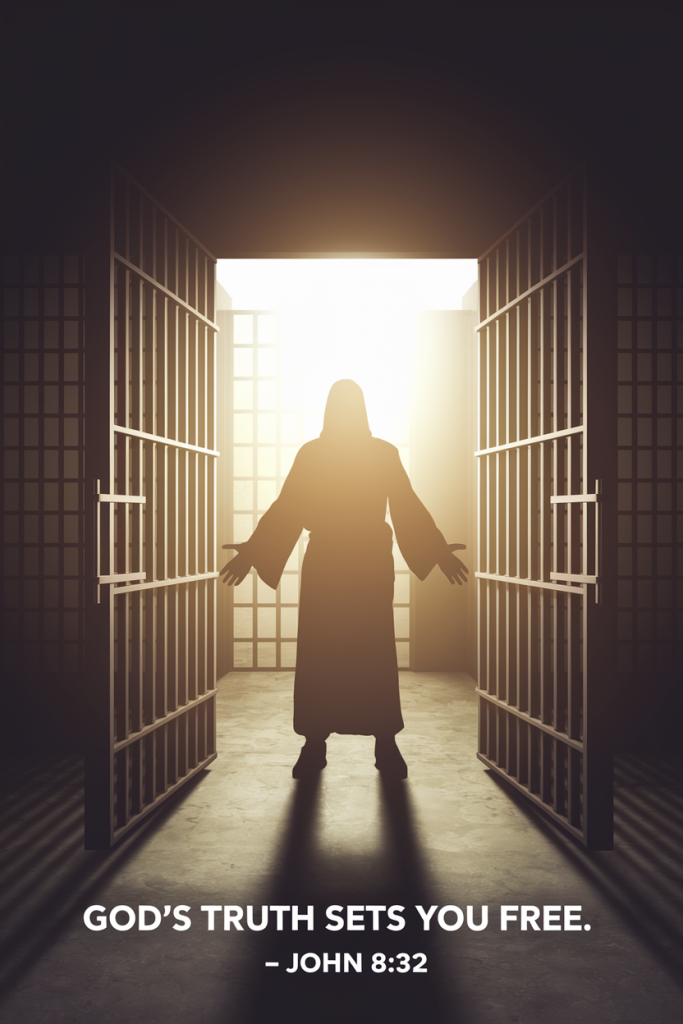
For those in Christ, it’s the beginning of an eternity free from sin and suffering. For those not yet in Christ, the urgency is to accept His offer before it’s too late.
In wrapping up this study on “judgment”, I feel a mix of holy fear and grateful joy. Fear, because God is not messing around – every word and deed of ours matters. Joy, because He’s provided a way for us to stand in the judgment: Jesus, our advocate, our refuge, and the one who loves us enough to tell us the truth.
Conclusion: Living in the Light of God’s Judgments
Talking about judgment might not be your go-to cheerful topic, but it’s incredibly important and ultimately good news for those who trust God. The Bible’s teaching on judgment shows us that:
- God is absolutely just and fair – nothing evil will go unaddressed, and nothing good will go unrewarded. That gives us comfort when we see injustice now. It will be made right, one way or another.
- God is rich in mercy – He provides warnings, opportunities to repent, and even took judgment on Himself at the cross so that we could be saved. His heart is that “mercy triumphs over judgment” for all who will humbly receive it.
- We have a responsibility to respond – either to hide from God (futilely) or to run toward Him. As believers, running toward Him means we don’t dread judgment day as a terror, but we respect it. We let that reality motivate us to live sincerely, love others, and share the gospel so that more people can find mercy.
- We’re called to imitate God’s righteous judgment in our own small ways – by being people of truth and justice in our dealings, by not showing favoritism (James 2:1-4 warns about that, tying to judgment), by standing up for what’s right, but also by leaving vengeance to God and being quick to forgive.
Every day, you and I make judgments – what to prioritize, how to respond to someone’s behavior, etc. The more we immerse ourselves in Scripture, the more our judgments will align with God’s. We’ll learn to hate what He hates (like cruelty, pride) and love what He loves (justice, kindness, humility).
We’ll also grow in that tricky balance of being discerning without being judgmental. That might mean sometimes we hold our tongue and pray instead of criticizing. Other times it means we speak up for truth even if it’s unpopular (with grace, of course).
I’ll be real: I struggle with this balance. It’s easy to either slip into silence when I should speak, or slip into harshness when I should be gentle.
But when I remember that I too will stand before Christ – and give account for every idle word (Matthew 12:36) – it humbles me. It makes me want to extend grace to others, since I need it myself.
And it also gives me courage to do right, because ultimately I want His “Well done” more than people’s approval.
In the end, judgment isn’t a concept to fear for the Christian; it’s something to respect and even embrace. David said, “I will sing of mercy and judgment” (Psalm 101:1).
Strange combo for a song, but it makes sense now – those are two sides of God’s glory. We live under both: the mercy that saved us and the holy judgment that guides us. Both make us sing, because both display who God is.
So, let’s live openly before God. Let’s invite His loving judgment into our lives now – “Search me, O God... try me, and see if there be any wicked way in me” (Psalm 139:23-24) – so that we can grow and change.
Let’s be those who love God’s judgments (Psalm 119:164) because we know they are right and true. And let’s share the whole counsel of God with others, not skirting around the topics of sin, judgment, and salvation. Sometimes telling a friend about the judgment to come (in a loving plea) might be the wake-up call the Holy Spirit uses to lead them to Christ.
Every struggle for justice in this world, every cry of “How long, O Lord?”, every time we bite our tongue instead of lashing out, every time we choose to forgive – it all finds meaning in the light of God’s judgment.
We know He’ll straighten it all out. As Revelation 21:4 says, one day “God shall wipe away all tears from their eyes.” No more injustice, no more evil. Until that day, we walk by faith, doing justly, loving mercy, and walking humbly with our God (Micah 6:8).
Keep the faith, friend. The Judge of all the earth will do right, and in Christ, we’re on the right side of His judgment. That’s something to be thankful for every single day.
Call to Action: The Question That Demands an AnswerIn Acts 2:37 Peter and the Apostles were asked the question – What Shall We do? And in Acts 2:38 Peter answered, Repent, and be baptized every one of you in the name of Jesus Christ for the remission of sins, and ye shall receive the gift of the Holy Ghost. For the promise is unto you, and to your children, and to all that are afar off, even as many as the Lord our God shall call. Do you understand this? After hearing the gospel and believing, they asked what should would do. The answer hasn’t changed friend, Peter clearly gave the answer. The question for you today is, Have you receieved the Holy Spirit Since you believed? If you’re ready to take that step, or you want to learn more about what it means to be born again of water and Spirit, visit: Come, and let the Spirit make you new. |