Quick Overview of This Bible Study…
Short on time? I have created a short slide show presentation of some key takeaways in our study. The complete, more comprehensive bible study is below…
In our Bible reading, we occasionally encounter mysterious terms that beg for deeper understanding. One such term is the “ephod.” What exactly was an ephod, and why does it show up in stories ranging from the Tabernacle of Moses to the history of Israel’s judges and kings?
In this study, we’ll explore the ephod’s Hebrew origin, its various uses in Scripture (from holy garment to object of idol worship), and its spiritual symbolism.
We’ll also see how the ephod connects to broader themes like the priesthood, divine guidance (think Urim and Thummim), and even foreshadowings of Jesus Christ.
By the end, we’ll appreciate the ephod not just as an ancient artifact, but as a detail rich with spiritual insight for our faith today.
The Hebrew Word “Ephod” and Its Meaning
In Hebrew, the word ephod (אֵפוֹד, pronounced “ay-fohd”) refers to a specific kind of garment, and in some contexts, an object or idol. According to Strong’s Concordance, ephod is a masculine noun likely derived from a root meaning “to gird” (to bind around the waist).
In simple terms, it can mean “a girdle” or apron-like garment, especially the sacred vestment worn by Israel’s high priest.
However, the term also came to describe an image or idol in certain historical passages.
So, the word has two primary meanings in Scripture:
A Holy Garment:
Usually referring to the ornate apron-like vest worn by priests, particularly the high priest. This ephod was part of the official priestly attire, intricately made and imbued with religious significance.
An Idol or Image:
In a few narratives, ephod clearly does not mean a piece of clothing. For example, Gideon made an ephod out of gold and it became a object of worship (Judges 8:27), and Micah kept an ephod in his private shrine alongside household gods (Judges 17:5).
In such cases, the context shows ephod refers to a cult object or idol, often mentioned together with teraphim (household gods).
In fact, because Hosea 3:4 pairs “ephod” with “teraphim,” scholars infer that here ephod signifies a kind of idol used for divine consultation.
Understanding this dual meaning will help us make sense of the ephod’s diverse appearances across the Old Testament. Now, let’s look at how the ephod is described and used in its primary role as a priestly garment.
The Priestly Ephod: Design and Function

The ephod of the high priest was a beautiful and elaborate garment as described in the Book of Exodus.
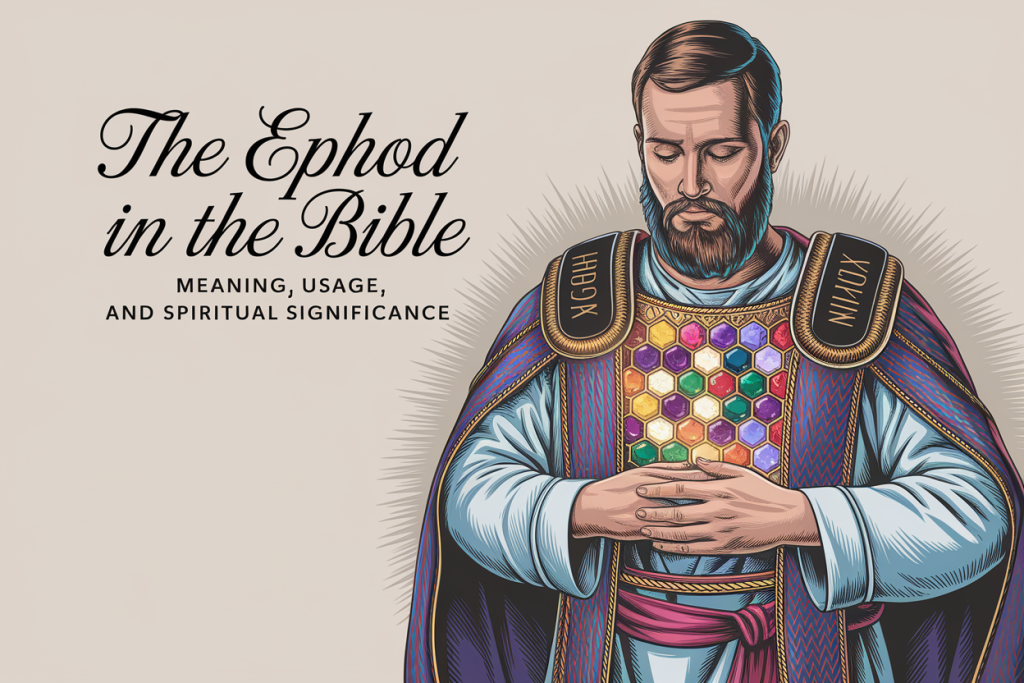
It was essentially a richly colored sleeveless apron that hung from the priest’s shoulders, covering the front and back of the torso. Here are some key features of the priestly ephod:
Materials and Colors:
The ephod was made of fine linen fabric, skillfully woven with threads of blue, purple, scarlet, and gold. These colors were not random – blue, purple and scarlet were the same hues used throughout the Tabernacle’s curtains, representing themes of heaven (blue), royalty (purple), and sacrifice (scarlet).
The gold thread embroidered into the ephod signified the garment’s sacredness and value.
Exodus 28:6–14 gives the detailed description of its construction, noting it was made “with cunning work” (expert craftsmanship) from these colored materials (cf. Exodus 39:2–5).
In essence, the ephod was beautifully ornate, setting the high priest apart in dignity and honor.
Shoulder Pieces with Onyx Stones:
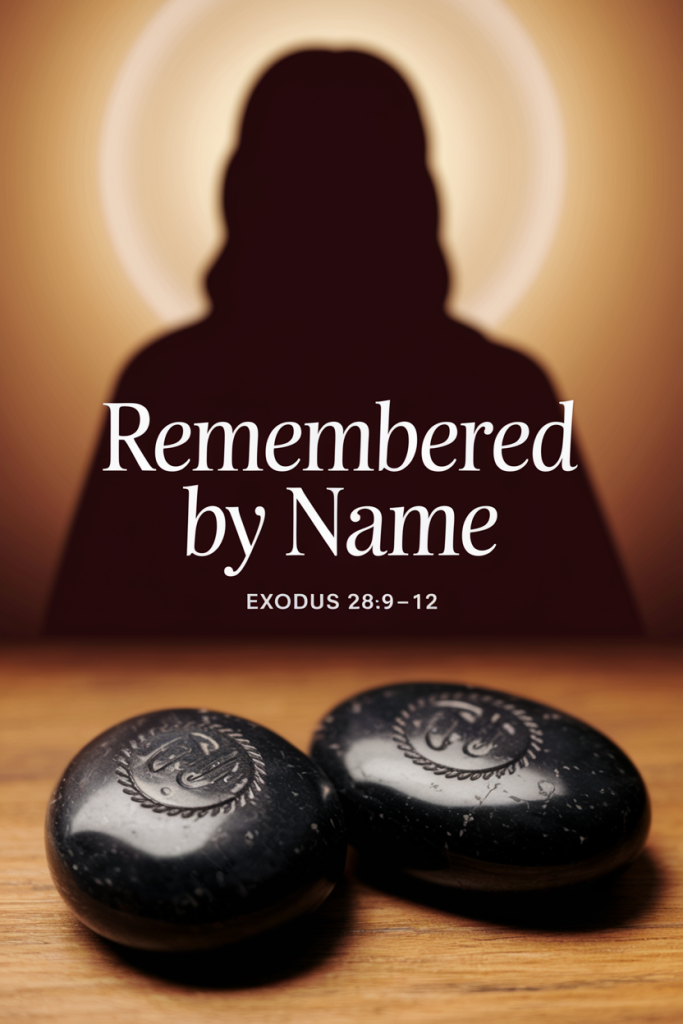
The ephod had two shoulder straps or pieces attached. Mounted on each shoulder was a gemstone (onyx) set in gold, and engraved with the names of the tribes of Israel – six tribes on one stone, six on the other (Exodus 28:9–12).
The Bible explains that Aaron the high priest would “bear their names before the Lord upon his two shoulders for a memorial” (Ex. 28:12).
This means every time the high priest entered God’s presence, he carried Israel symbolically on his shoulders.
It’s a touching image of bearing the people before God, indicating the priest’s role in carrying the burdens of the nation in intercession. (This detail will have beautiful parallels to Christ, which we’ll discuss later!)
Breastplate of Judgment:
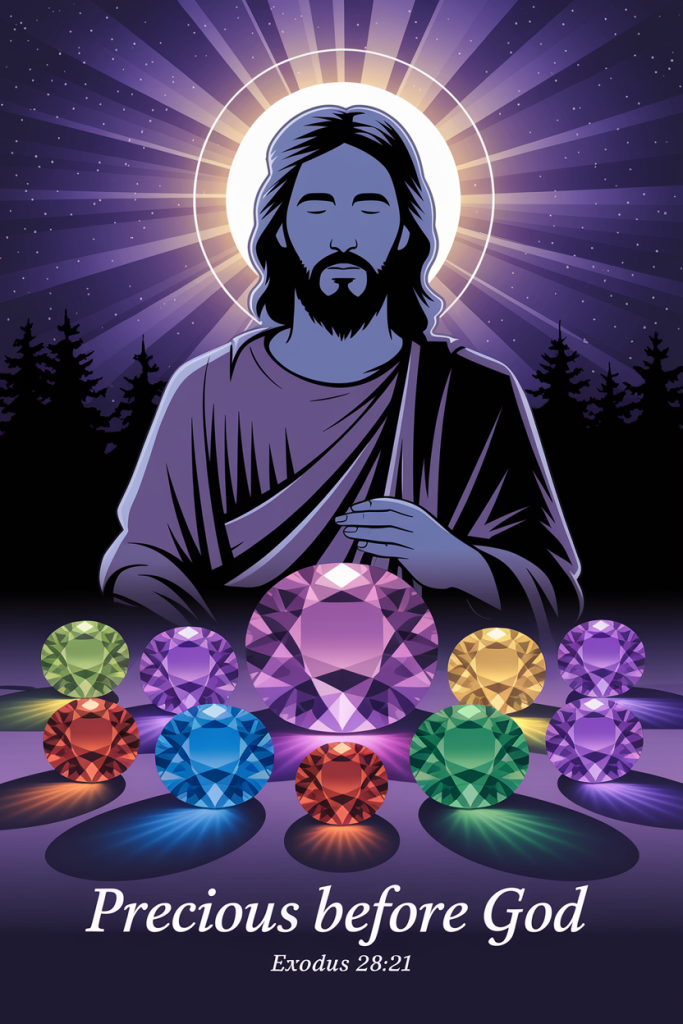
An equally important piece – the breastplate (Hebrew ḥoshen), sometimes called the “breastpiece of decision” – was attached to the front of the ephod.
The breastplate was a square pouch of richly woven fabric that overlaid the ephod. It held twelve precious gemstones arranged in four rows of three, each engraved with the name of one of the twelve tribes of Israel (Exodus 28:15–21).
Thus, the high priest also carried the people “over his heart” when he went before God. Inside a hidden pocket of this breastplate were the Urim and Thummim, sacred lots used to discern God’s will. The breastplate was fastened to the ephod with golden chains and rings so that it wouldn’t come loose.
Worn with Other Priestly Garments:
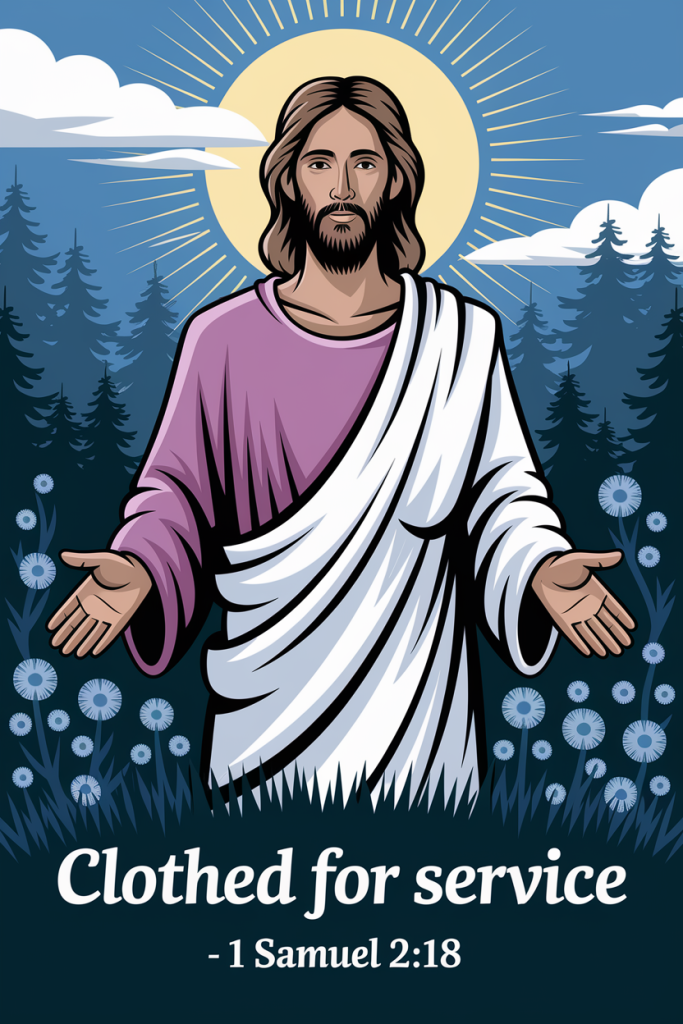
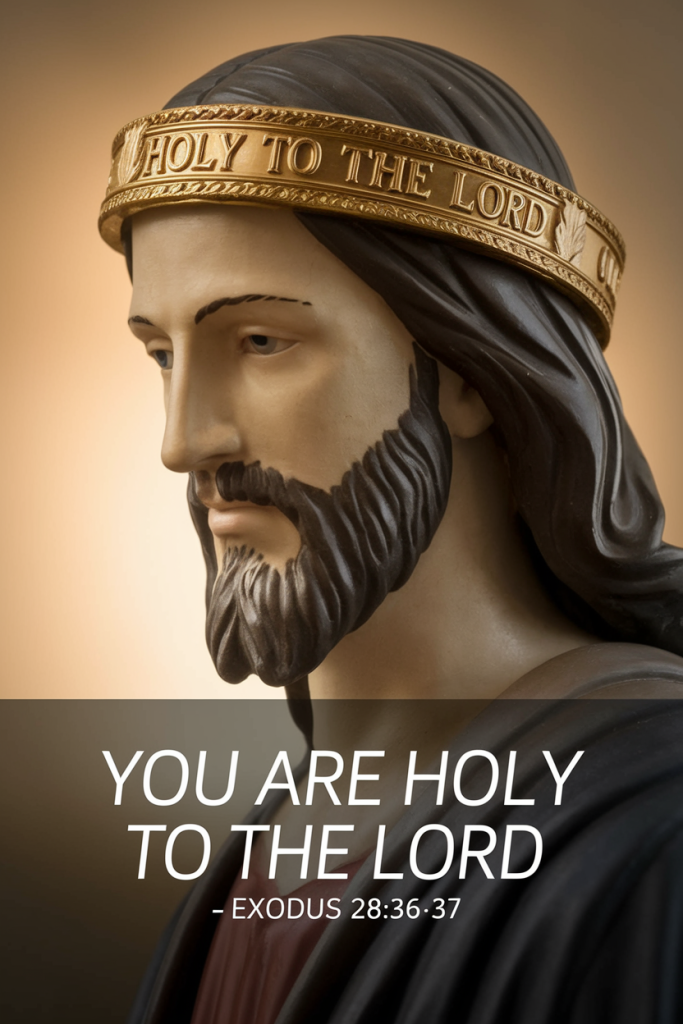
The ephod didn’t stand alone. The high priest’s full attire included a blue robe worn under the ephod, a fine linen tunic under that, a special sash or belt around the waist, and a turban with a gold plate reading “Holy to YHWH” on the forehead (Exodus 28:4, 36–37).
When fully dressed, the high priest presented a powerful picture of holiness and mediation – distinct garments that visually set him apart for God’s service.
Importantly, ordinary priests (the sons of Aaron who were not high priest) may have worn a simpler version of the ephod. The Bible mentions “linen ephods.”
For instance, young Samuel ministered before the Lord wearing a “linen ephod” (1 Samuel 2:18), and 85 priests at Nob are noted as men who “wore a linen ephod” (1 Samuel 22:18).
These were likely plain linen aprons, not the elaborate multicolored version of the high priest. The ephod in its basic form thus could be part of a priest’s everyday attire, symbolizing service to God.
Overall, as a garment, the ephod symbolized the priestly office and the weight of representing the people to God. It was a visible reminder that the priest carried Israel on his shoulders (strength) and over his heart (affection) continually in God’s presence.
The sacred nature of the ephod underscored that approaching God required God-ordained covering and holiness. In fact, all the priestly garments together foreshadowed the holiness and atoning work of Christ, our “great High Priest” – but more on that later.
Ephod as a Tool for Worship and Guidance (Urim and Thummim)
Beyond being a piece of clothing, the ephod had a practical role in worship and decision-making in ancient Israel.
Because the high priest’s ephod carried the Urim and Thummim (the sacred lots), the ephod became associated with inquiring of the Lord – essentially, seeking God’s guidance in specific situations.
Urim and Thummim:
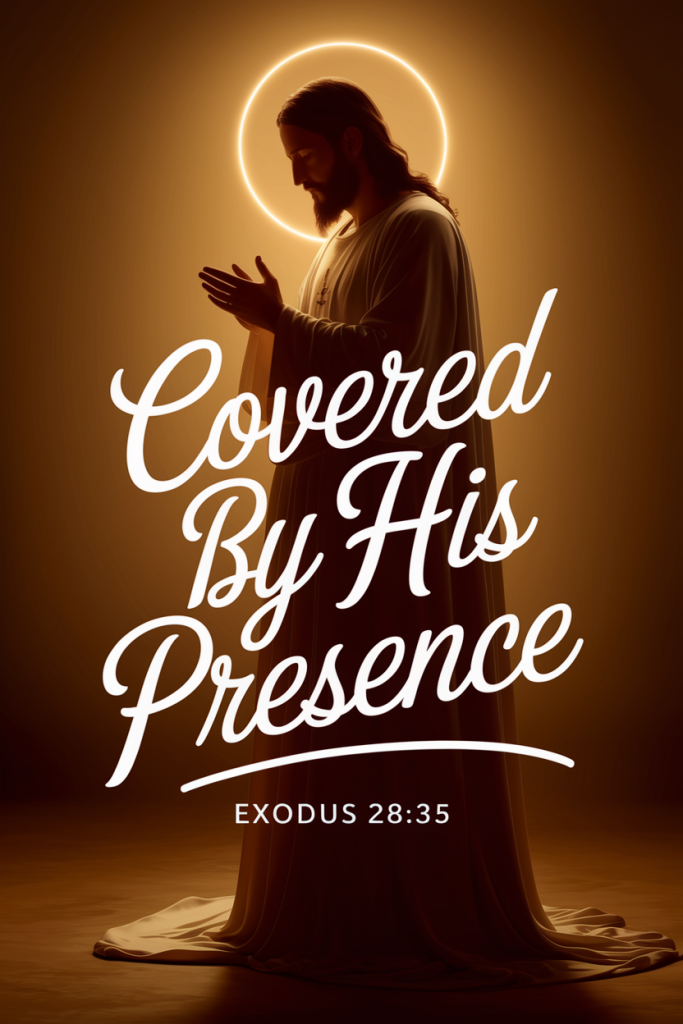
These mysterious objects (their name means "Lights and Perfections") were used by the high priest to discern God’s will, often in yes-or-no questions.
They were kept in the breastplate attached to the ephod (see Exodus 28:30, Leviticus 8:8).
When an answer from God was needed, the priest would consult the Lord by means of the Urim and Thummim. While Scripture doesn’t describe exactly how they worked, it’s clear they were a God-ordained tool for guidance in the absence of direct prophecy.
Thus, the ephod – as the container and holder of this holy lot – was closely tied to the idea of seeking divine direction.
Consulting God with the Ephod:
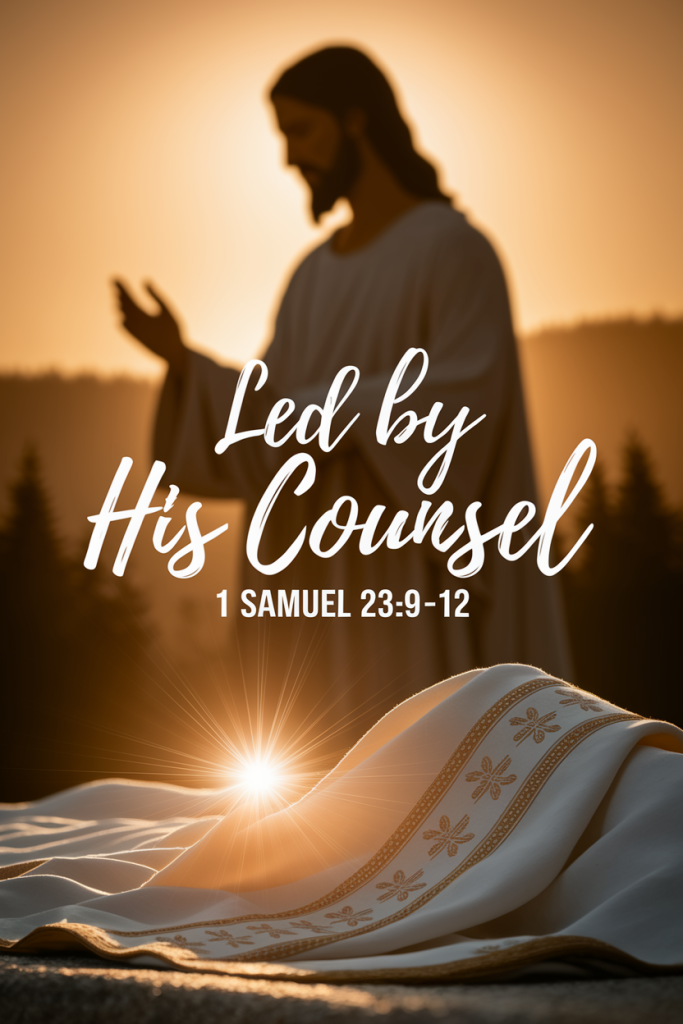
Several times in the Old Testament, especially in 1 Samuel, we see leaders asking for the ephod in order to inquire of God:
- In 1 Samuel 23:9–12, when David was fleeing from King Saul, he learned that Saul was coming to attack the city of Keilah where David was hiding. “Bring hither the ephod,” David said to Abiathar the priest. David then asked God (through the priest and the ephod), “Will Saul come down to Keilah? Will the men of Keilah deliver me into his hand?” The Lord answered David’s questions, enabling him to escape. The text implies that through the ephod/Urim, David received a clear yes-or-no prophetic answer from God.
- In 1 Samuel 30:7–8, after the Amalekites raided Ziklag and kidnapped their families, David again said to Abiathar, “I pray thee, bring me hither the ephod.” David inquired of the Lord, “Should I pursue this raiding party? Will I overtake them?” God answered, “Pursue, for you shall surely overtake them and recover all.” This guidance led to a great victory and recovery of all that was lost. Here the ephod was essentially a means of receiving God’s guidance and blessing in a critical moment.
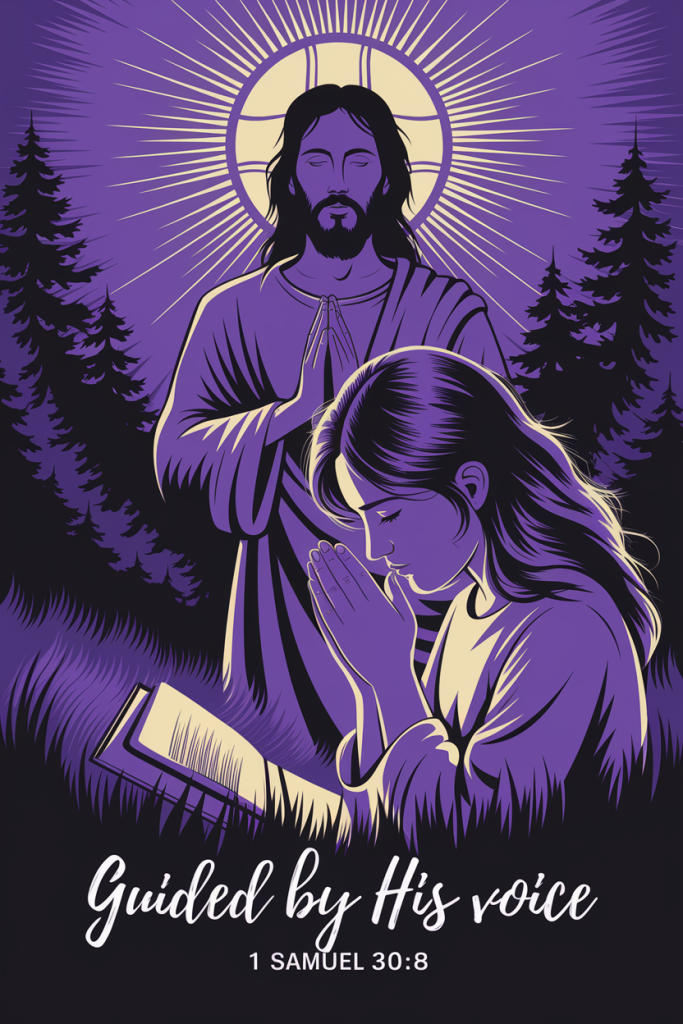
From these accounts we learn that asking for the ephod became shorthand for seeking an oracular word from God.
In fact, the Books of Samuel suggest that whenever Saul or David wanted to “question God,” they would ask a priest to bring the ephod.
King Saul, when faced with battle decisions, expected answers via the ephod/Urim (though at one point God refused to answer him, see 1 Samuel 28:6).
David relied on the ephod’s guidance multiple times as we saw. This was a legitimate means of consulting the Lord provided by God’s law (contrasted, for example, with Saul’s later illicit consultation of a medium).
It’s worth noting that in these narratives, the ephod isn’t always described as something worn on the body at that moment – sometimes it’s carried or brought.
Abiathar the priest “brought the ephod down” when he fled to David, and David asked him to “bring it hither.”
Some scholars note that the Hebrew wording can imply the ephod was carried in hand, suggesting the ephod in this context might have been a special object or portable sacred item used for casting lots.
It’s possible that the high priest’s ephod, when not worn, could be used almost like a sacred pouch to hold or present the Urim and Thummim for God’s decision.
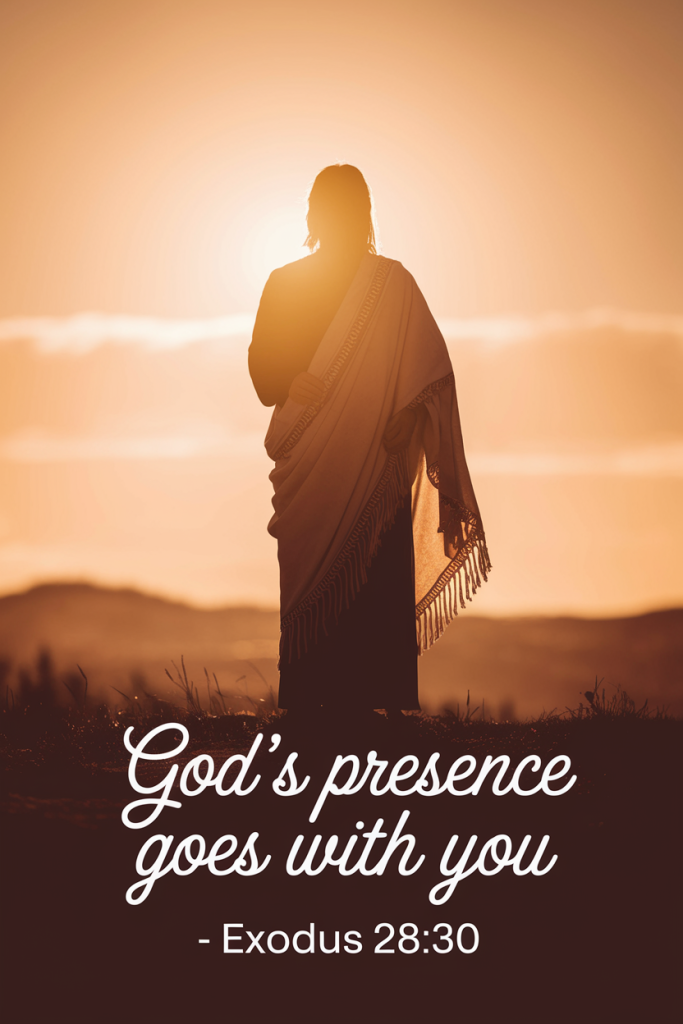
Whether worn or carried, the key point is: the ephod was God’s appointed instrument for guidance, closely linked with the presence of the Urim and Thummim and the ministry of the priest.
In summary, the ephod in worship was more than decoration – it was part of how Israel sought God’s will. It reinforced that true guidance comes from the Lord.
Today, while we no longer cast lots with Urim and Thummim, this principle endures: we seek God’s direction through prayer and His Word, relying on our ultimate High Priest (Jesus) rather than an object.
The ephod’s role in Israel’s decision-making shows us the importance of bringing our questions to God.
Ephod as an Idol: Misuse and Apostasy in Israel’s History
As with many holy things, the ephod could be misused when people’s hearts strayed from God. Tragically, what God intended as a sacred garment for worship and guidance was at times repurposed as an object of idolatry.
The Bible gives a few striking examples where an ephod became associated with idol worship:
Gideon’s Ephod (Judges 8:24–27):
After Gideon’s great victory over the Midianites, the people offered him gold from the plunder. Gideon melted down about 1,700 shekels of gold and “made an ephod thereof” (Judg. 8:27). This golden ephod was placed in his hometown of Ophrah.
Unfortunately, “all Israel went thither a whoring after it” – in other words, the people idolized this ephod. It became a spiritual snare to Gideon’s family and the nation.
Gideon may have intended it as a memorial or an object to consult God, but it ended up drawing the people away from true worship.
The text explicitly says the ephod “became a snare” (trap) to Israel, indicating they worshiped or venerated it in a way God had not authorized (Judges 8:27).
This is a sobering example of how even something associated with God’s victory can be twisted into an idol.
Micah’s Ephod (Judges 17–18):
Later in the period of the Judges, a man named Micah from Ephraim created a private shrine. He had a collection of idols: a graven image, a molten image, teraphim (household gods), and notably “an ephod” (Judges 17:5).
He even ordained his own priest. This ephod was clearly an object, likely a cultic image or part of his idol ensemble.
In Judges 18, the Danite tribe steals Micah’s idols and the ephod, and uses them in their own idol worship after moving north.
Here the ephod is directly parallel to idols – in fact, the narrative lists “the carved image, the ephod, the teraphim, and the molten image” together (Judg. 18:17).
The way the story is told shows that the ephod had become just another idolater’s tool, interchangeable with other pagan religious objects.
It had nothing to do with the true priestly worship at Shiloh anymore, but was a counterfeit religious article in an apostate shrine.
Prophecy in Hosea 3:4:
The prophet Hosea gives an intriguing prophecy: “For the children of Israel shall abide many days without a king, and without a prince, and without a sacrifice, and without an ephod, and without teraphim” (Hosea 3:4, KJV).
Hosea is foretelling a time when Israel would have no formal worship or leadership – no king or prince, no sacrifices at the Temple, and significantly, no ephod or teraphim (idols).
The pairing of ephod with teraphim (idolatrous household gods) is telling.
It indicates that the ephod Hosea means is not the functioning priestly garment (since “sacrifice” is also absent), but rather the illegitimate religious usage of ephod alongside idols.
In effect, Israel would be deprived of both: the true worship (no sacrifice, no legitimate ephod service) and their false crutches (no idols, no idolatrous ephod) during their exile.
This prophecy was fulfilled in part when Israel went into exile and even afterward – they had no Davidic king, the sacrificial system lapsed for a time, and idolatry was purged from them.
Hosea 3:5 goes on to say “afterward” they will return to seek the Lord, implying a future restoration. The absence of the ephod here underscores how central it was considered – its loss meant no way to inquire of God as before, creating a spiritual vacuum until Messiah filled it.
From these examples, we see the ephod’s “dark side,” so to speak: when divorced from God’s command, it could become a superstitious object or idol. In fact, it’s noted that in those historical passages the word ephod cannot mean a garment being worn by a priest.
Instead, in Gideon’s and Micah’s stories, ephod clearly refers to an object that people worshiped. The most straightforward conclusion is that “ephod” in those cases signifies a cult image set up in a sanctuary.
Some scholars theorize this happened because an idol might be clothed in an ephod, so eventually the whole idol was just called “the ephod”. In any case, God’s people were never authorized to use an ephod as an idol – it was a corruption of the true worship.
Spiritual lesson:
Even good things or religious items can be misused if our hearts stray. The ephod was meant to honor God, but Israel at times trusted the object more than God Himself, turning it into an idol.
This warns us today not to let any religious tradition, symbol, or object (no matter how meaningful) replace true devotion to the Lord. We must keep our worship centered on God, not on the outward instruments He may use.
As the Apostle Paul said, “we walk by faith, not by sight” (2 Cor 5:7). Israel learned the hard way that a golden ephod or any man-made form of “worship” is empty and even dangerous outside of God’s will.
Symbolism and Spiritual Significance of the Ephod
The ephod carries rich symbolism and typology that illuminates spiritual truths:
Mediation and Bearing of Burdens:
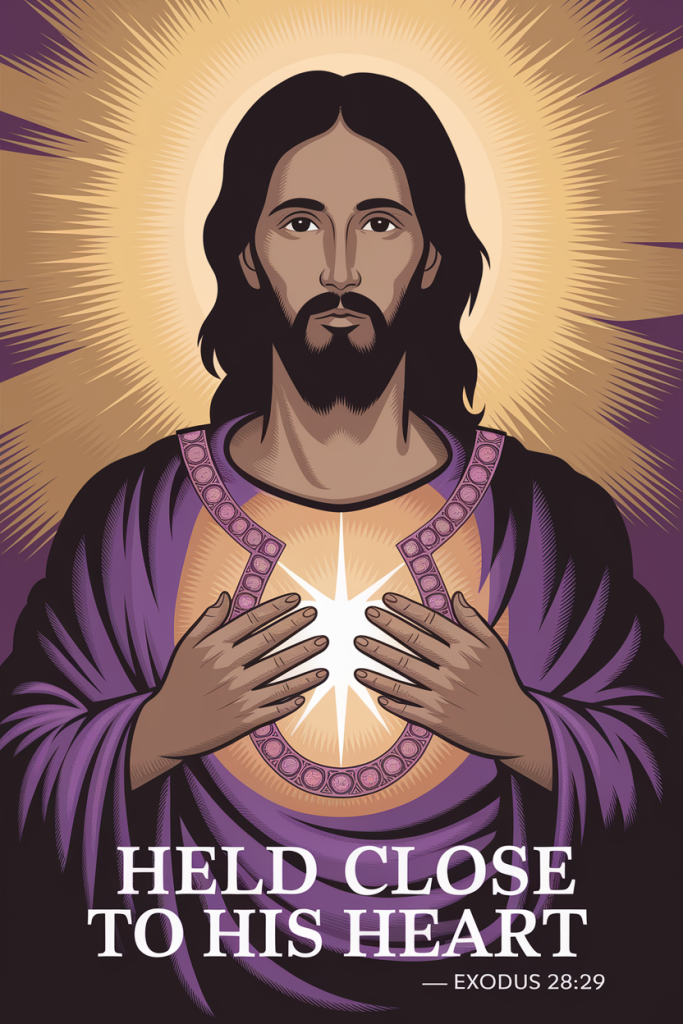
The high priest wearing the ephod stood as a mediator between God and the nation.
- By design, the ephod with its attached stones demonstrated that the priest bore the names of God’s people before the Lord continually – on his shoulders and over his heart.
- This powerfully symbolizes intercession and care. Spiritually, it reminds us that we need a faithful mediator to carry us into God’s presence.
- In the Old Testament, that was the Aaronic high priest; in the New Testament, it’s Jesus Christ who carries us.
- Just as the high priest bore Israel’s burdens, Christ bore our sins and carries our sorrows (Isaiah 53:4).
- Just as the high priest kept Israel close to his heart, Jesus our High Priest has loved us and given Himself for us, holding us in His heart with everlasting love.
- The ephod’s imagery teaches how God’s people are precious to Him and always remembered before Him.
Holiness and Dedication:
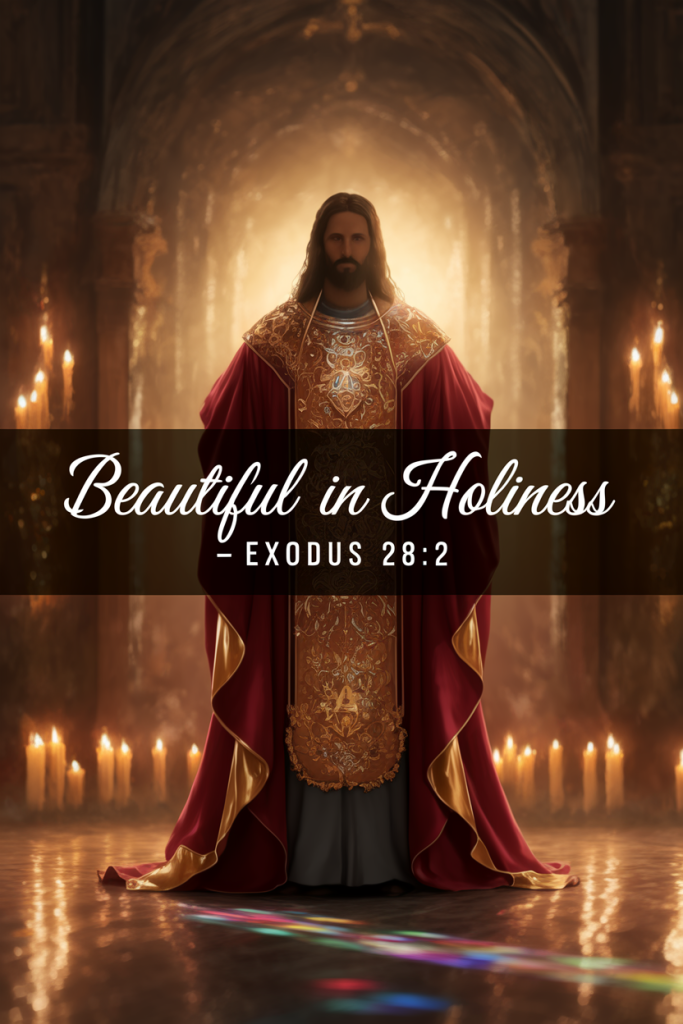
- The ornate colors and gold in the ephod signified the beauty of holiness.
- It was made “for glory and for beauty” (Exodus 28:2) – indicating that serving God is a glorious, beautiful calling.
- The ephod set the priest apart for holy service.
- Spiritually, it speaks to the holiness required to approach God.
- The high priest could not enter the Holy Place without wearing these consecrated garments.
- Likewise, we cannot approach God in our sin; we need to be clothed in holiness.
- Thankfully, in Christ we are clothed with His righteousness – the “garments of salvation” (Isaiah 61:10).
- The ephod can remind believers today that we too are called to be a “royal priesthood”, clothed in righteousness and dedicated to God’s service (1 Peter 2:9).
Guidance and Revelation:
The ephod’s association with the Urim and Thummim shows it as a symbol of God’s guidance and revelation. It taught Israel that God is the source of truth.
When an Israelite leader sought the ephod, it was an act of dependence on God’s direction.
This underscores the principle, “Trust in the LORD with all thine heart, and lean not unto thine own understanding” (Prov. 3:5).
The ephod could thus be seen as a symbol of seeking God’s will.
In a broader sense, it points to Christ and the Holy Spirit as our guides; Jesus is the Word made flesh and the ultimate revelation of God’s will, and the Holy Spirit is given to lead us into all truth.
We no longer cast sacred lots, because through Christ we have direct access to God’s throne of grace (Hebrews 4:16).
Yet the ephod’s function reminds us to inquire of the Lord in all things – to pray, search Scripture, and listen for His guidance.
Worship in Spirit vs. Form:
The ephod’s misuse as an idol highlights the difference between true worship and empty form. Outward religious forms (like wearing an ephod) mean nothing if the heart is not right. God desired obedience over ritual.
The ephod was powerless as a mere object – its power and significance came only from God’s presence and command. This reflects a timeless lesson: “obedience is better than sacrifice” (1 Sam. 15:22).
We must not put our faith in religious externals, but in the living God. The true ephod that matters is a heart clothed in humility and righteousness, not an externals of religion.
By examining the ephod, we see a tapestry of theological themes: holiness, representation, guidance, and the dangers of idolatry. Each thread of its description – its colors, stones, and uses – can lead to deeper reflection on how God relates to His people.
The Ephod and Jesus Christ: Foreshadowing the Greater High Priest
Perhaps the most exciting aspect of studying the ephod is seeing how it points to Jesus Christ, who fulfills the symbolism of the high priest’s garments in a greater way.
The Book of Hebrews in the New Testament spends a lot of time explaining how Jesus is our superior High Priest. While Hebrews doesn’t mention the ephod by name, the connections are clear when we understand Christ’s role:
Jesus, Clothed in Majesty and Holiness:
In Revelation 1:13, the apostle John sees the risen Jesus in heaven “clothed with a garment down to the foot and girt about the chest with a golden band.”
This vision of Christ portrays Him in priestly-kingly attire (a long robe with a golden sash). It echoes the high priest’s robe and the golden embroidery of the ephod.
Just as the ephod was for glory and beauty, Christ now appears in glorious apparel as our eternal Priest-King. His perfect holiness is the reality that the ephod’s beauty only hinted at.
On the cross, even Jesus’ seamless robe (John 19:23) reminds us of the high priestly tunic. All these details show Jesus as the fulfillment of the priestly garments – He embodies everything they signified.
Our Mediator Who Carries Us:
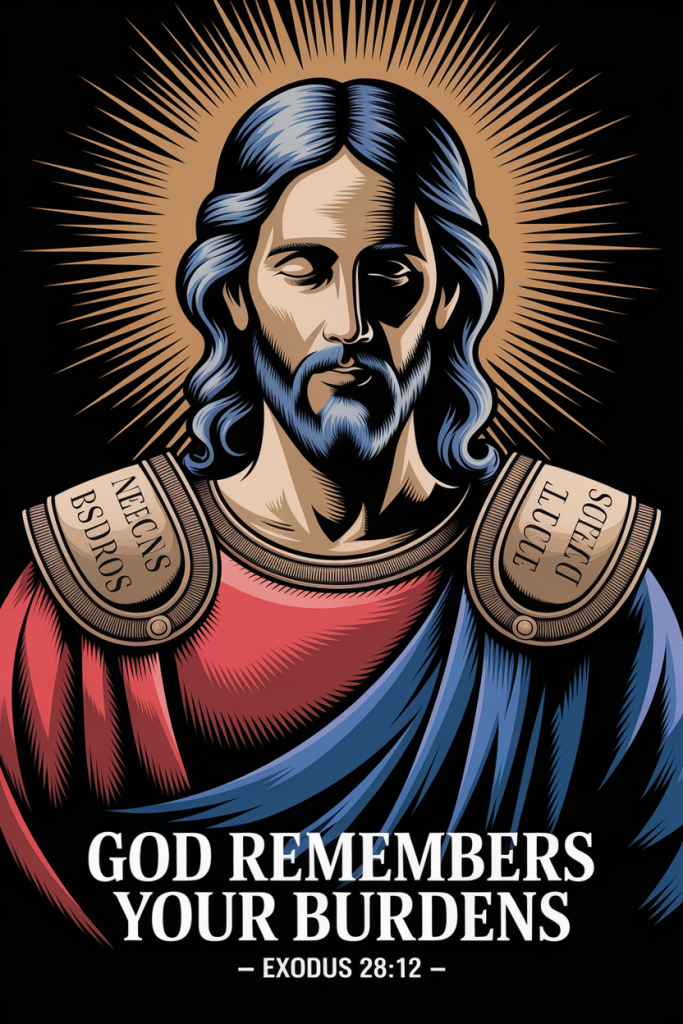
The ephod’s stones taught that the high priest represented Israel before God. Jesus fulfills this perfectly: He carries us on His shoulders and heart spiritually.
- He bore our sins on the cross (literally carrying our burden). He now intercedes for us constantly before the Father’s throne (Hebrews 7:25).
- We can imagine, in a spiritual sense, our names written on Christ’s heart and shoulders, as He is intimately concerned for each of us.
- Isaiah prophesied of the Messiah, “the government shall be upon His shoulder” (Isa 9:6) – He shoulders the responsibility of God’s people.
- And in the New Testament, Jesus calls Himself the Good Shepherd who carries His sheep.
He said, “Come unto me, all ye that labor and are heavy laden… and you will find rest. For my yoke is easy and my burden is light” (Matthew 11:28–30). It’s as if Jesus invites us to transfer our burdens onto His shoulders.
This is beautifully foreshadowed by the ephod-bearing high priest who carried Israel’s names.
Just as the high priest brought the tribes’ names into the Holy Place, Jesus brings our names into the very presence of God, ensuring we are remembered and accepted there. What a comforting truth – we are “engraved” on His heart!
Perfect Guidance and Revelation:
In the Old Testament, people sought the ephod for guidance; now we seek Jesus for guidance. He is “the way, the truth, and the life” (John 14:6).
The Urim and Thummim, which gave only partial answers, have been surpassed by Jesus, the living Word who reveals God’s will fully.
Hebrews 1:1-2 says that in the past God spoke in various ways (like Urim/Thummim perhaps), but in these last days He has spoken to us by His Son.
Jesus is our light and truth – the ultimate “Urim and Thummim,” so to speak. Through His teaching and through the Holy Spirit He sent, we have something better than an ephod: we have God’s Word dwelling in our hearts.
We no longer need a physical ephod or lots to know God’s mind, because Christ’s Spirit guides us internally.
This fulfills the role the ephod played in Israel’s theocracy, pointing to a more intimate guidance under the new covenant.
Once-for-All Atonement:
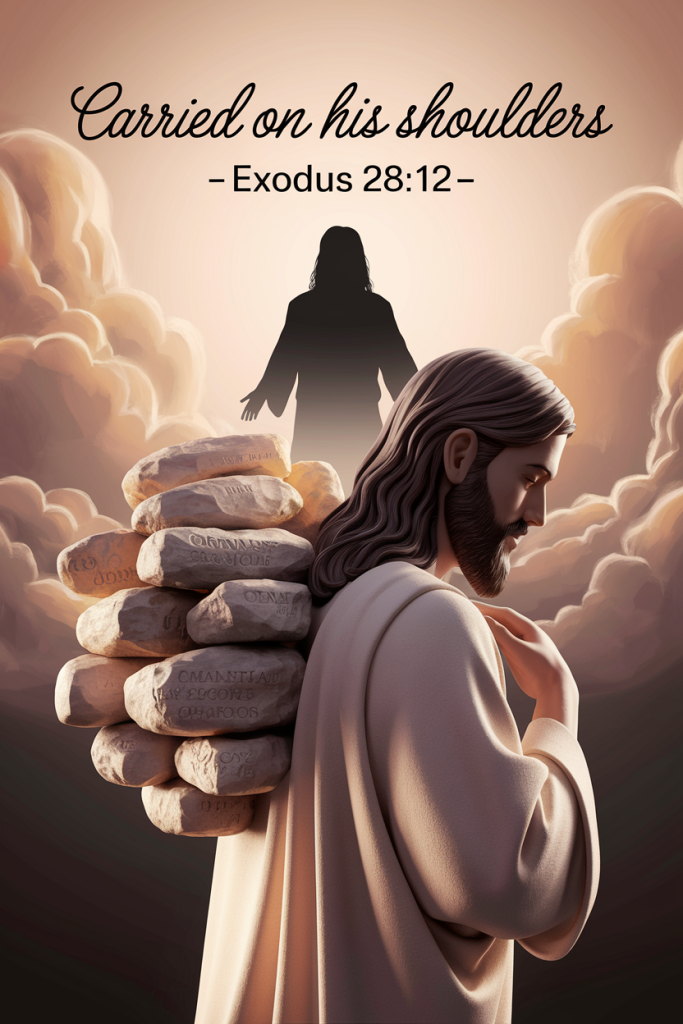
The high priest of Israel had to wear the ephod and all his garments properly when ministering, especially when offering sacrifices, “so that he will not die” (Exodus 28:35, 43).
It was serious – an improperly clothed priest could die in God’s presence. This shows how critical atonement and holiness were.
Jesus, our High Priest, did what those priests could only do symbolically: He offered Himself as the perfect sacrifice for sin while being perfectly holy. He carried out God’s plan of atonement in true holiness and perfection.
In doing so, He fulfilled everything the ephod and priestly garb stood for. There is no record of Jesus wearing an ephod on earth – He didn’t need to, because He Himself is the substance that those symbols pointed to.
When Jesus died and rose again, He made the old priestly system obsolete (see Hebrews chapters 9–10). Thus we don’t have ephods in Christian worship – Christ’s righteousness clothes us instead.
To put it succinctly, the ephod finds its ultimate meaning in Jesus.
The Old Testament ephod was a shadow, Jesus is the reality. Where the ephod was a beautiful garment, Jesus has a more beautiful holiness.
Where the ephod bore the names of Israel, Jesus bears our very lives before God. Where the ephod helped discern God’s will in part, Jesus reveals God’s will fully.
And where the ephod’s ministry could be corrupted or lost (as in Hosea’s prophecy of being without an ephod), Jesus’ priesthood is incorruptible and everlasting.
Hebrews 4:14 calls Jesus our “great High Priest who has passed through the heavens.” We can imagine, in a poetic sense, that as He passed into the heavenly Holy of Holies, He did so as our High Priest wearing the glory and beauty of His righteous life and carrying us with Him.
The ephod of the Old Covenant has been surpassed by the glorious ministry of Christ in the New Covenant.
Prophetic Hope: From Ephod to Christ’s Eternal Priesthood
We started by noting Hosea’s prophecy that Israel would be a long time without certain things – including the ephod – but afterward would return to seek the Lord.
This finds fulfillment in Jesus. The long period of silence (no king, no ephod, no sacrifice) set the stage for Christ’s coming.
When Jesus came, He was the rightful King (the heir of David), He offered the true sacrifice (Himself on the cross), and He became our High Priest (though not with an earthly ephod, but with the power of an indestructible life).
The restoration Hosea hinted at began with Christ and will be completed when Israel fully embraces her Messiah.
In the meantime, anyone – Jew or Gentile – who trusts in Christ enters into that restored relationship where we no longer lack guidance or atonement. We have a King, a Sacrifice, and a High Priest forever in Jesus.
It’s also worth noting that in the book of Zechariah (Zech. 3:4-5), the prophet sees a vision of the high priest Joshua being cleansed from filthy garments and given “rich garments” and a clean turban, symbolizing God forgiving Israel’s sin and restoring the priesthood. While ephod isn’t named, it’s part of the high priest’s attire.
That vision points to God’s plan to cleanse and clothe His people – something ultimately accomplished by Christ’s atonement. Thus, even prophetically, the idea of proper priestly garments (like the ephod) is tied to God’s salvation and restoration.
Conclusion: Lessons from the Ephod for Today
Though we live in a different era of redemptive history, the ephod’s story is far from irrelevant. Studying the ephod teaches and encourages us in several ways:
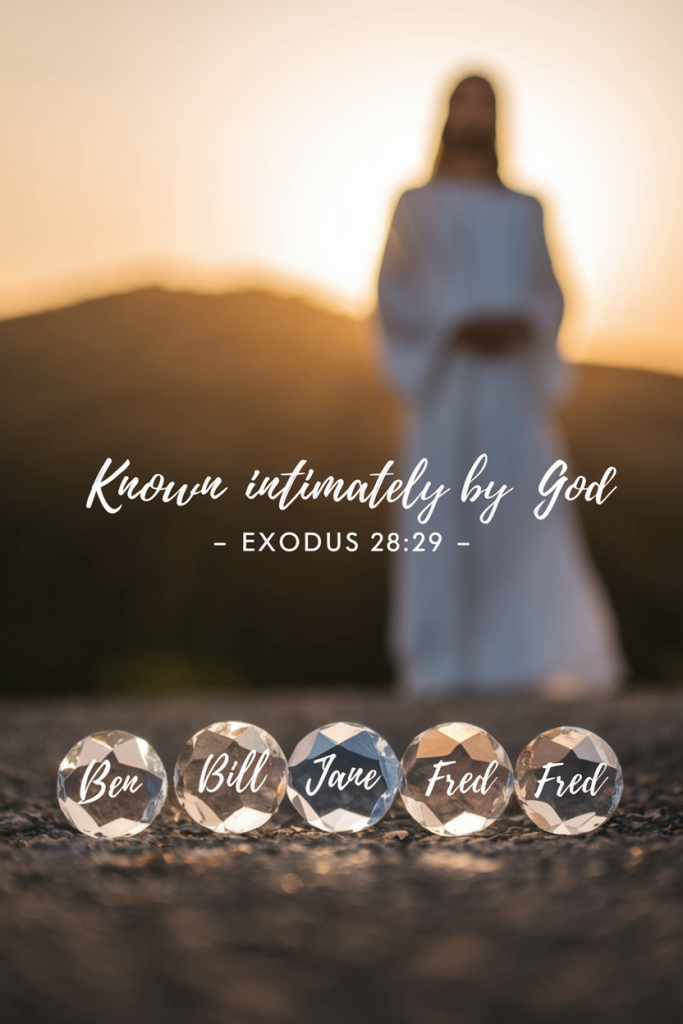
- God’s Holiness and Our Need for a Mediator: The ephod was a reminder that no one comes to God on their own terms – we need a God-appointed mediator wearing God-appointed “righteousness.” For us, Jesus is that mediator and our righteousness. We approach God “clothed” in Christ. This truth inspires gratitude and humility in worship.
- Being Carried on God’s Heart: Just as the high priest carried Israel’s names, know that you are on Christ’s heart and shoulders at all times. He represents you before the Father. When you feel burdened or forgotten, remember the imagery of the ephod – your High Priest is bearing you faithfully. “He ever lives to make intercession for [us]” (Heb. 7:25).
- Seeking God’s Guidance: The Israelites had to go find a priest with an ephod to get answers from God. We have something even better – we can approach God directly in prayer through Jesus. Yet the principle remains: in decisions big or small, seek the Lord’s guidance. Don’t rely on human wisdom alone. James 1:5 says if we lack wisdom, we should ask God – much as an Israelite leader would inquire of God by the ephod. The ephod reminds us that God desires to lead us, and we must be willing to ask and listen.
- Guarding Against Idolatry: It’s sobering that even a consecrated object like an ephod became an idol. This warns us to guard our hearts. We may not bow to statues, but we can idolize other things – traditions, religious experiences, or any created thing. The ephod’s misuse teaches us to keep our faith focused on God Himself. The form (rituals, objects) without the substance (true devotion) is dangerous. We have to continually check: are we honoring the Creator or just His creations?
- Appreciating Christ’s Fulfillment: Finally, seeing Christ foreshadowed in the ephod deepens our awe for His work. The more we learn how detailed the Old Testament symbols were, the more we marvel at how Jesus fulfills them perfectly. It’s faith-building to realize that God planned these pictures of Jesus centuries in advance. Our Savior is the true High Priest dressed in holiness, and He invites us into a relationship far better than any earthly ephod could provide.
In conclusion, the ephod may seem like an obscure piece of the Old Testament at first glance, but it is woven throughout Scripture with purpose.
From Exodus to Hosea, from the Tabernacle to idol shrines, the ephod’s appearances teach us about worship done right versus wrong, about the need for a godly mediator, and about God’s heart for His people.
And ultimately, the ephod directs our eyes to Jesus Christ – in whom every color, every stone, every thread of meaning finds its fulfillment.
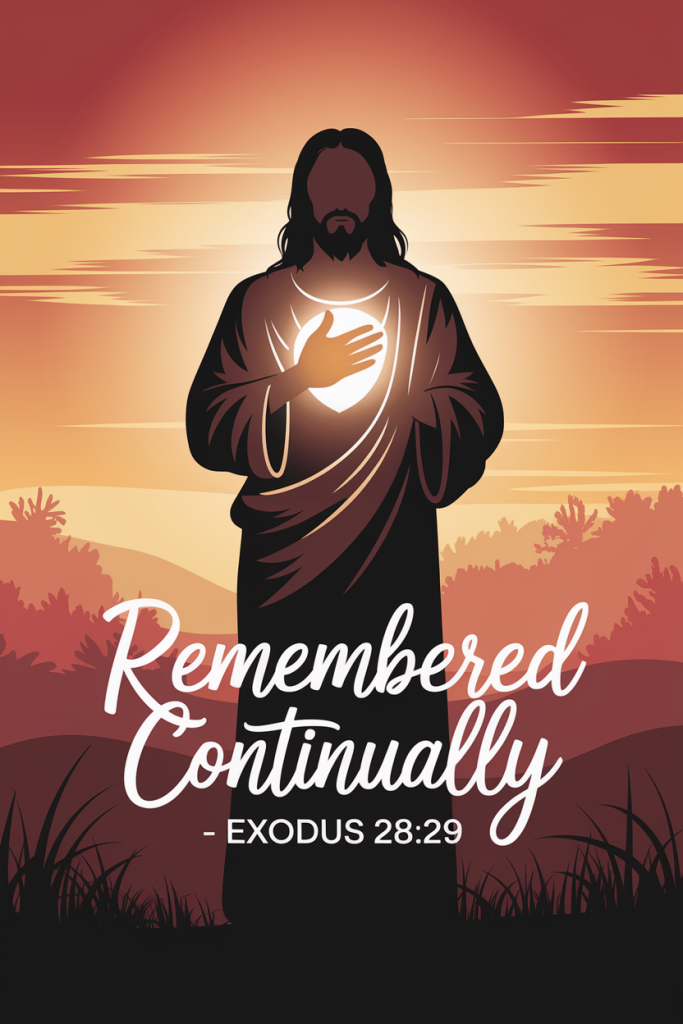
As believers studying the Word, we can treasure these insights. The next time you come across “ephod” in your Bible reading, remember all it signifies.
Let it remind you of the spiritual armor and garments we wear in Christ, the access we have to God’s guidance, and the importance of pure worship.
In doing so, even a study of an ancient priestly vest can draw you closer to the Lord and enrich your understanding of His redemptive plan.
God bless you as you continue to dig into the treasures of Scripture – sometimes the smallest details (like an ephod!) yield the greatest gems of truth.
References:
The information in this study is drawn from Scripture and enriched by historical and scholarly insights. For example, Strong’s Concordance defines ephod as a priestly garment biblehub.com.
Biblical descriptions in Exodus detail the ephod’s materials and purpose biblehub.com, while resources like Bible dictionaries note its role in worship and communication with God.
Instances in Judges and Samuel illustrate the ephod’s varied use as both holy vestment and idolatrous image gotquestions.org, gotquestions.org.
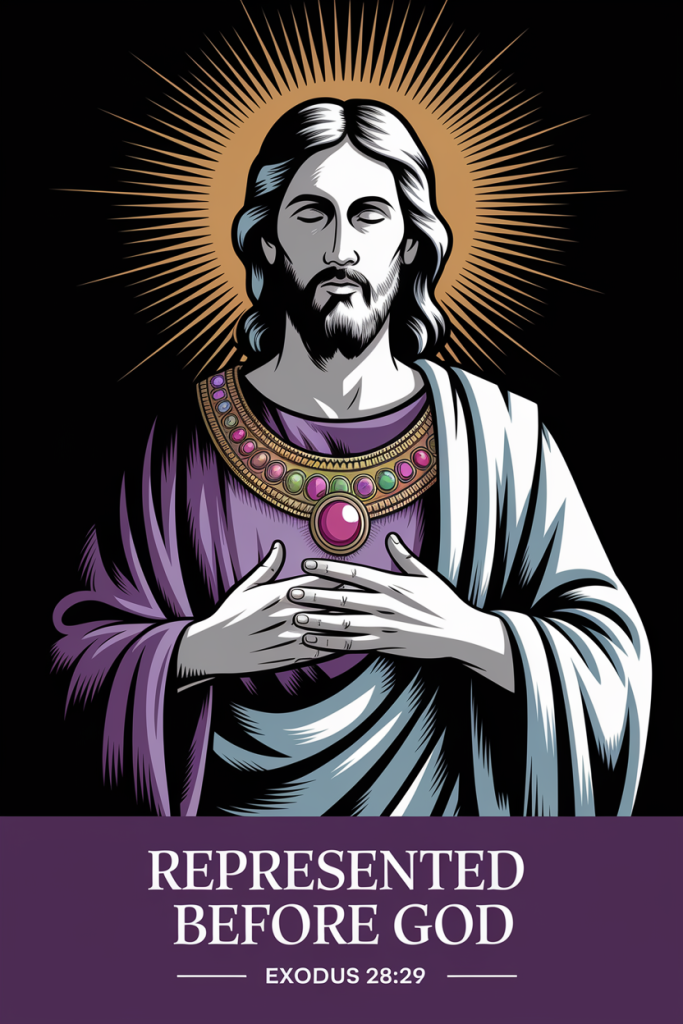
Additionally, Christian commentary highlights how the high priest’s ephod and breastplate symbolically bore Israel’s tribes, foreshadowing Christ’s intercession for believers whatchristianswanttoknow.com.
All these sources help paint a comprehensive picture of the ephod’s spiritual significance through both Old and New Testaments.
Call to Action: The Question That Demands an AnswerIn Acts 2:37 Peter and the Apostles were asked the question – What Shall We do? And in Acts 2:38 Peter answered, Repent, and be baptized every one of you in the name of Jesus Christ for the remission of sins, and ye shall receive the gift of the Holy Ghost. For the promise is unto you, and to your children, and to all that are afar off, even as many as the Lord our God shall call. Do you understand this? After hearing the gospel and believing, they asked what should would do. The answer hasn’t changed friend, Peter clearly gave the answer. The question for you today is, Have you receieved the Holy Spirit Since you believed? If you’re ready to take that step, or you want to learn more about what it means to be born again of water and Spirit, visit: Come, and let the Spirit make you new. |