Quick Overview of This Bible Study…
Short on time? I have created a short slide show presentation of some key takeaways in our study. The complete, more comprehensive bible study is below…
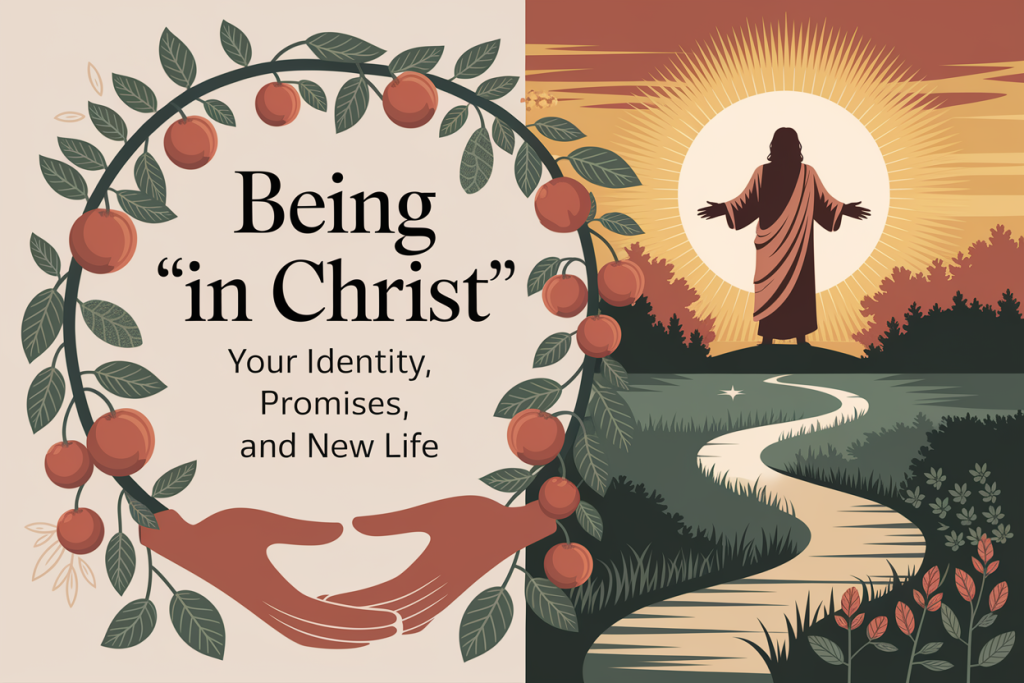
What does it really mean to be “in Christ”? As believers, we hear that phrase a lot. We find it throughout the New Testament, especially in Paul’s letters. But how do we actually live it out?
In this Bible study, we’ll explore what the King James Version (KJV) Bible says about being in Christ.
We’ll look at New Testament instructions, the blessings and promises God gives us in Christ, and even how the Old Testament points to this beautiful reality.
What Does It Mean to Be “In Christ”?
Being “in Christ” is all about relationship and identity. When we place our faith in Jesus, the Bible says we are spiritually united with Him.
Think of it as a kind of incorporation – we are incorporated into Christ’s life, death, and resurrection. Here are a few aspects of what that means:
A New Identity:
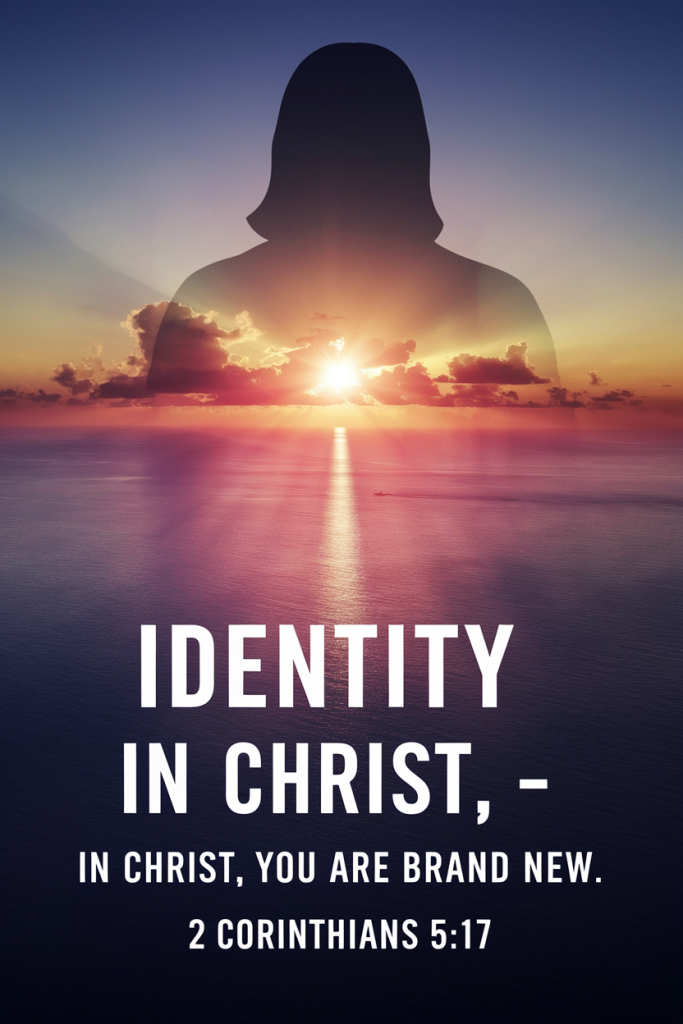
When you are born again, you become a new person at the core.
- “Therefore if any man be in Christ, he is a new creature: old things are passed away; behold, all things are become new.” (2 Corinthians 5:17).
You’re not who you used to be. In God’s eyes, your old life is gone, and you have a fresh, new life in Jesus.
Union with Jesus:
To be in Christ means we are one with Him in spirit. The Holy Spirit actually places us into the body of Christ.
- The Bible explains that all believers, whether Jew or Gentile, are baptized into one body by the Spirit (1 Corinthians 12:13).
- It’s like we’ve been grafted into a vine (to use Jesus’ own metaphor in John 15) – He is the vine, we are the branches. We draw our life from our connection to Him.
Covered by His Righteousness:
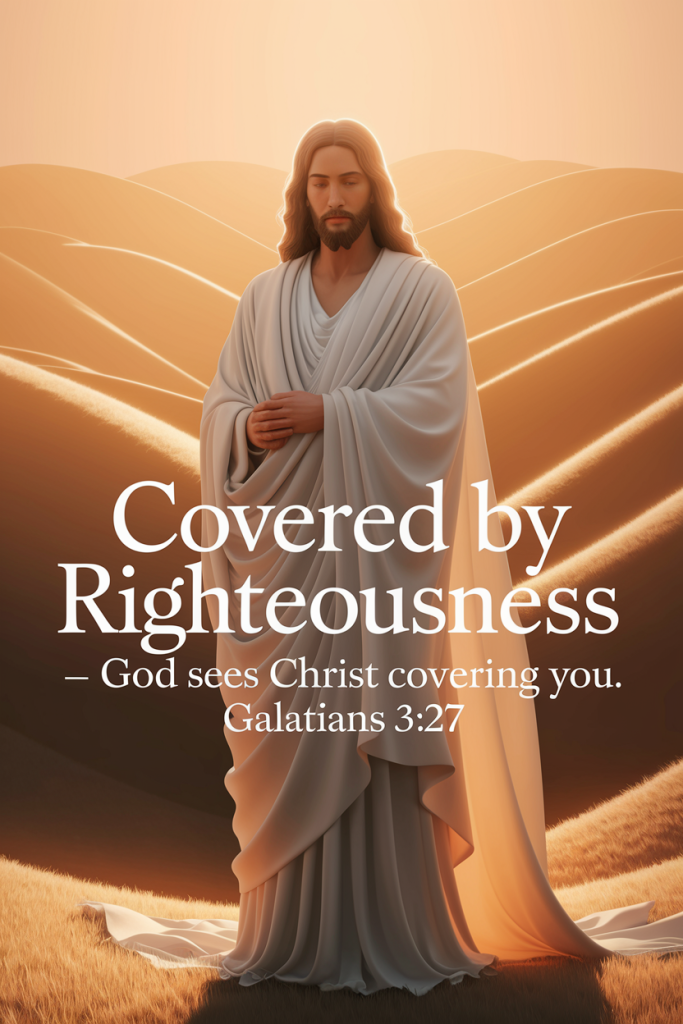
When God looks at someone who is in Christ, He sees Jesus’ righteousness covering them. This isn’t because we’ve suddenly become perfect, but because Jesus’ sacrifice paid for our sins completely.
- “To be ‘in Christ’ means that God no longer sees our imperfections; He sees the righteousness of His own Son.”
- So in Christ, we are forgiven and made right with God (Romans 8:1, 2 Corinthians 5:21).
- It’s as if we’re wearing Jesus like a garment – “For as many of you as have been baptized into Christ have put on Christ.” (Galatians 3:27).
We stand before God wrapped in the holiness of Jesus, not our filthy rags.
Part of God’s Family:
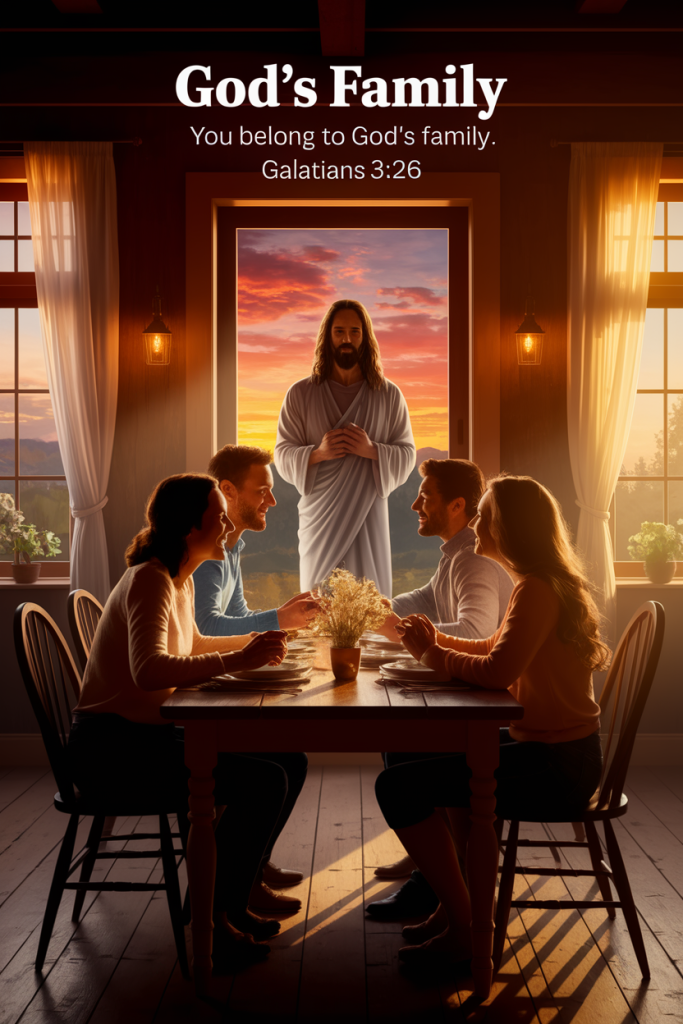
In Christ, we also become part of a new family.
- Galatians 3:26 says, “For ye are all the children of God by faith in Christ Jesus.”
You and I aren’t just distant followers; we’re God’s own children now because we are in His Son.
- And if we’re children, that means God lovingly treats us as His own – with care, discipline, and an inheritance to come (Romans 8:16-17).
In short, being “in Christ” is an intimate, unbreakable spiritual union with Jesus. It defines who we are now. It’s like our new address – we live in Him.
I find that amazing. When I first became a Christian, I thought of myself just as someone following Jesus from a distance, trying to live up to His teachings.
Over time, I discovered that God sees me as inseparable from Jesus – I’m literally in Him, and He is in me. That changed everything! It’s not a distant relationship; it’s the closest bond imaginable.
New Testament Instructions for Living “In Christ”
The New Testament gives lots of practical instructions and encouragements for those who are “in Christ.” These include commands, exhortations, and teachings on how to live out this union daily. Let’s look at some key ones (with scripture references):
“Abide in Me”
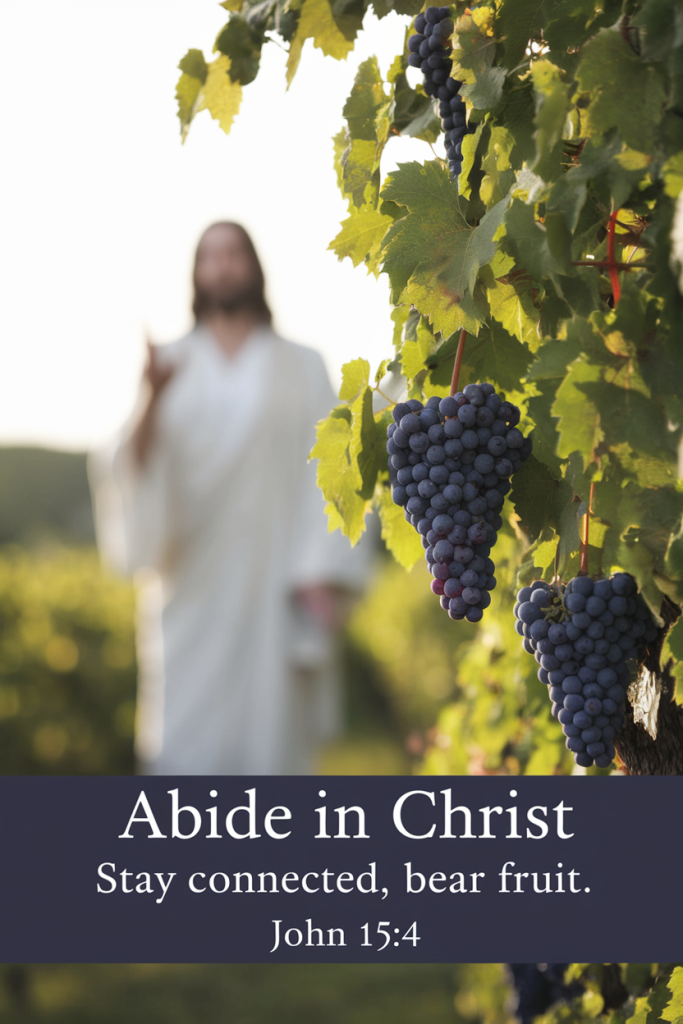
– Jesus said, “Abide in me, and I in you” (John 15:4). To abide means to remain, dwell, or stay.
Jesus used the picture of a vine and branches: just as a branch has to stay connected to the vine to have life and bear fruit, we need to stay close and connected to Jesus every day.
How do we abide?
Through prayer, reading His Word, obeying His voice, and basically doing life with a continual awareness of His presence.
When we abide, “the same bringeth forth much fruit” (John 15:5) – meaning our lives will show His love, character, and influence naturally, the way grapes grow on a healthy branch.
It’s not about striving, but about remaining with Him. Ask yourself: “Am I staying connected to Jesus right now?” When I notice I’ve drifted – maybe I’m running on my own fumes – that gentle question helps me refocus and return to abiding in Christ.
Walk in Christ

– “As ye have therefore received Christ Jesus the Lord, so walk ye in him.” (Colossians 2:6).
This verse always challenges me. I received Christ by faith and grace, not by my own strength – so I should continue each day by that same faith and grace.
To “walk in Him” means letting Jesus guide your steps and empower your lifestyle. It’s an ongoing journey, one step at a time, in reliance on Him.
Colossians 2:7 continues, “Rooted and built up in him, and stablished in the faith…” – picture your life like a tree with roots digging deeper into Christ every day. The deeper the roots, the more stability in storms.
Walking in Christ is a daily process of growing deeper roots in trust and obedience.
Put On Christ
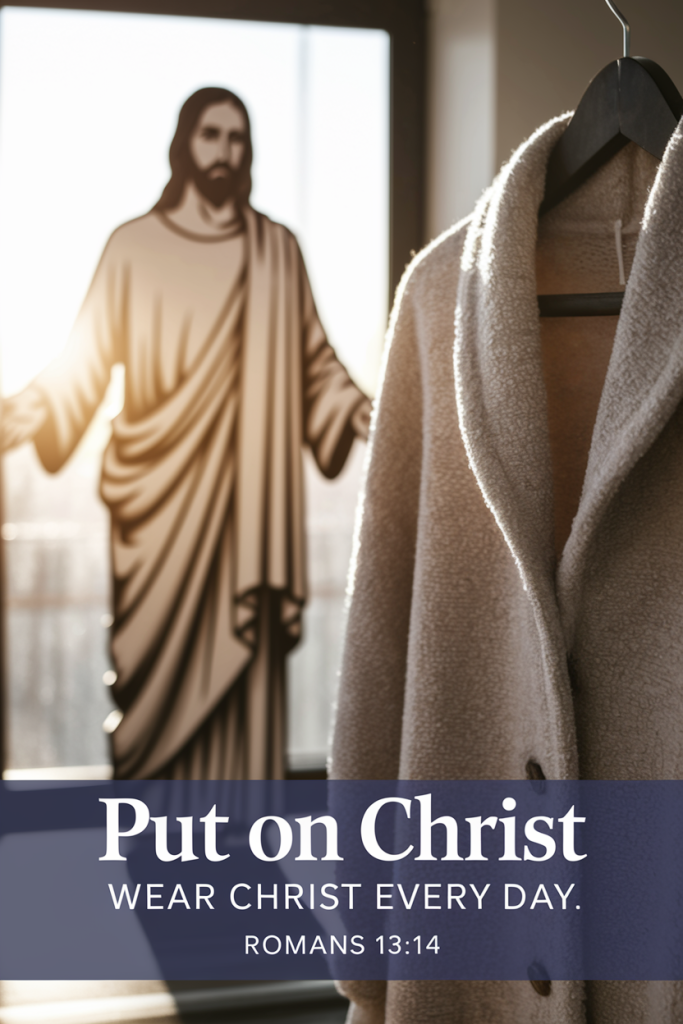
– Romans 13:14 says, “But put ye on the Lord Jesus Christ, and make not provision for the flesh.”
This phrase “put on” is like wearing clothing. Every day when we get dressed, we intentionally clothe ourselves. Similarly, we’re called to intentionally clothe ourselves with Jesus’ character.
We “put on” compassion, humility, patience – basically, we put on His life as our new self. In fact, elsewhere it says “put on the new man” which is created in righteousness (Ephesians 4:24).
It’s a choice to adopt the mindset: I’m in Christ, so I’m going to behave like it. Have you ever worn a uniform or a special outfit that made you feel you had to live up to it?
Knowing we are wearing Christ (so to speak) encourages us to live in a way that honors Him. And when we fail, we remember we’re still clothed in His righteousness – we don’t toss the “garment” aside; we go back, repent, and keep walking.
Let Christ live through you

– Paul gave a powerful personal testimony that’s true for us too: “I am crucified with Christ: nevertheless I live; yet not I, but Christ liveth in me” (Galatians 2:20).
Being in Christ means our old self died with Him on the cross, and now Jesus lives His life through us by the Spirit. We’re not on our own anymore!
Day by day, we learn to say, “Lord, live through me. Love through me. Let me think and act by Your power, not my own.”
It’s both a surrender and a relief – I don’t have to manufacture the Christian life out of my weak self. Christ in me is my strength (Philippians 4:13).
“Abide in His love”

– Jesus also said, “Continue ye in my love” (John 15:9).
Sometimes we might abide in Christ conceptually but emotionally we distance ourselves from His love. Jesus invites us to live inside the reality of His love for us.
That means when you feel unlovable or have messed up, you run toward Him, not away.
“Who shall separate us from the love of Christ?” Paul asks (Romans 8:35) – and the answer is nothing!
When you’re in Christ, you are secure in His love (Romans 8:38-39). So continuing in His love means we keep trusting that love, keep soaking it in, and also keep showing it to others.
Stay dependent on grace
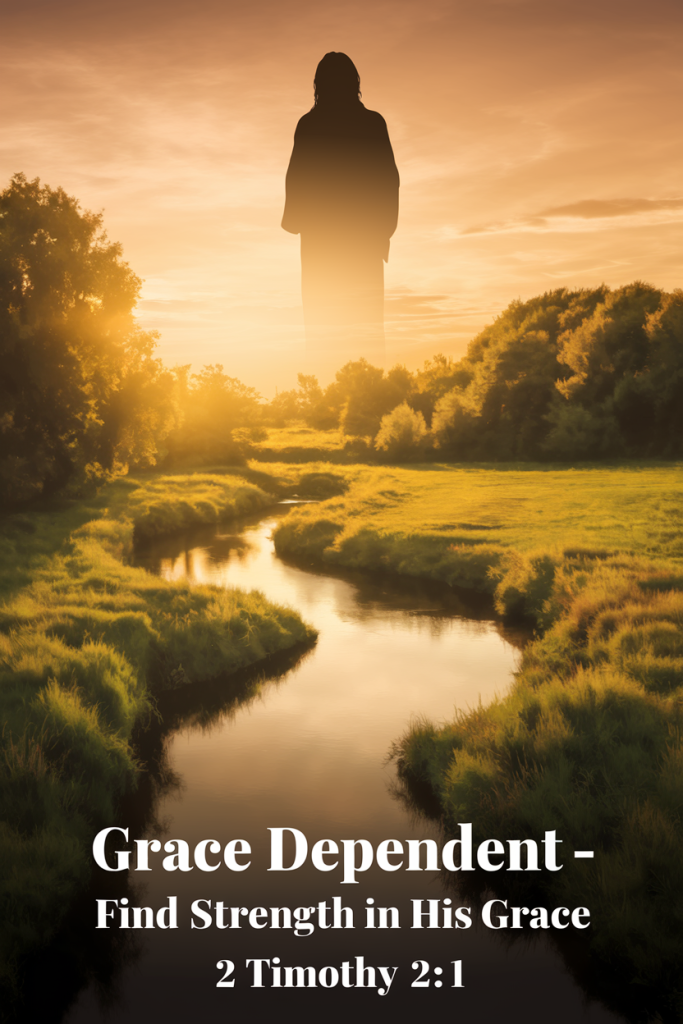
– Paul told Timothy, “Thou therefore, my son, be strong in the grace that is in Christ Jesus.” (2 Timothy 2:1).
This reminds us that the strength to live as a Christian comes from grace, not our own grit. In Christ, there is an endless supply of grace to forgive us, pick us up, and empower us to do what we need to do.
Are you tired and at the end of your rope?
You’re still in Christ, and in Him is all the grace you need for today. I have to remind myself often that being in Christ is not a status I earn; it’s a gift I’ve received. So I can relax and draw on His grace.
Live out unity and love

– Because all believers are in Christ, the Bible often encourages us to act like it in our relationships. “We, being many, are one body in Christ, and every one members one of another.” (Romans 12:5).
There’s a strong exhortation to unity – to treat fellow Christians as literally part of the same body as us (because spiritually we are!).
- That’s why there are commands like forgiving one another as Christ forgave us (Ephesians 4:32), or accepting one another, or bearing each other’s burdens.
- The phrase “in Christ” shows up even as a greeting: e.g., Paul calls people “my brethren in the Lord” (Philippians 4:1).
It’s a reminder that our unity isn’t based on natural things like culture or personality, but on Christ Himself.
This helps me when I have conflict with a fellow believer – I stop and think, “Wait, we’re both in Jesus. We’re on the same side here.” It encourages me to handle the situation with love and humility.
Those are just a few key instructions.
In summary, the New Testament teaches us to stay connected to Jesus (abide), rely on Him (walk by faith, be strong in grace), immerse ourselves in His Word and love, live like the new person we are (put on Christ), and cultivate unity with others in Christ.
These instructions aren’t about earning our place in Christ – we already have that by grace! They’re about enjoying and expressing our life in Christ daily.
Think of it this way: If being in Christ is like being given a new home, these teachings show us how to live in the house, decorate it, and invite others in, rather than sitting on the porch wondering if we’re allowed inside.
Promises and Blessings of Being in Christ
One of my favorite things is to look at all the promises God gives “in Christ.” It’s truly inspiring and reassuring. Here’s a list of some amazing blessings and benefits the Bible says belong to us when we are in Him (with scripture references for you to look up):
No Condemnation:
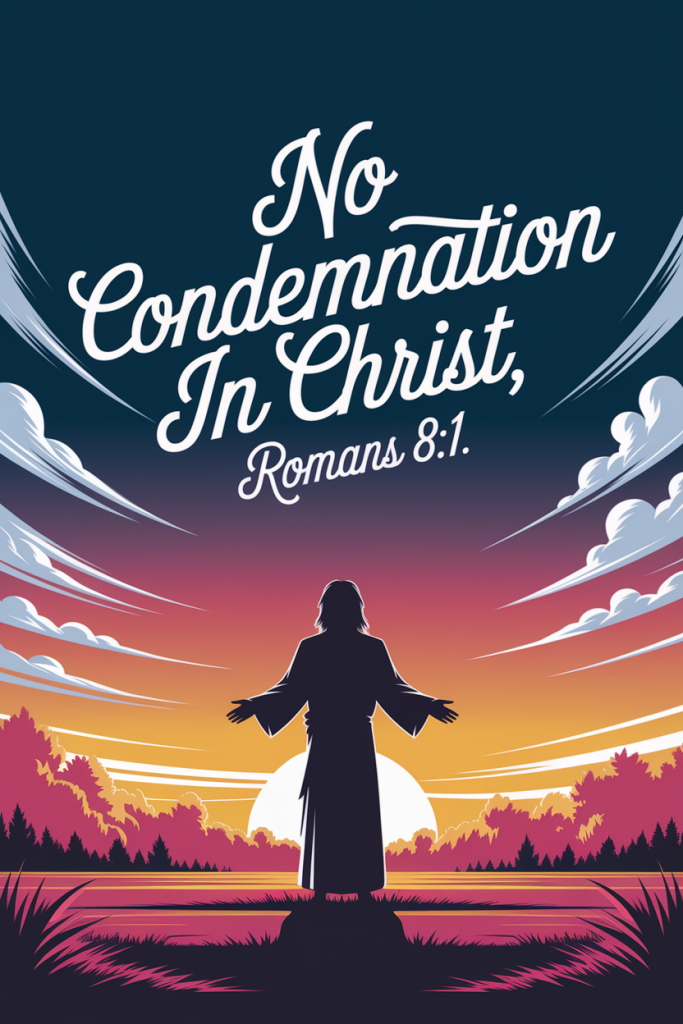
“There is therefore now no condemnation to them which are in Christ Jesus, who walk not after the flesh, but after the Spirit.” (Romans 8:1).
This is huge! If you are in Christ, God is not condemning you. Your sins were condemned on the cross (Romans 8:3), so now you are free from the guilt and penalty of sin.
Yes, God will convict us as a loving Father to correct us, but He never condemns His children. Whenever I feel a cloud of guilt or shame hanging over me, I run back to this promise.
I literally sometimes say out loud, “I am in Christ; there is no condemnation for me.” It’s not an excuse to sin – it’s the freedom to repent and draw near to God without fear, even after I’ve failed.
A New Creation (New Life):
As mentioned earlier, “if any man be in Christ, he is a new creature: old things are passed away” (2 Corinthians 5:17).
God re-created you spiritually. You have a new heart oriented toward God. You might think, “I don’t always feel very new – I still struggle with old habits.”
True, we all do. But the core of you – your spirit – is new and is in union with God’s Spirit now. Over time, what’s true in your spirit will work its way out into your thoughts and actions (that’s the process of growth).
In the meantime, you can wake up each day and thank God, “I’m not under the power of my old life anymore. I have a new life in Christ.”
Justification (Right Standing with God):
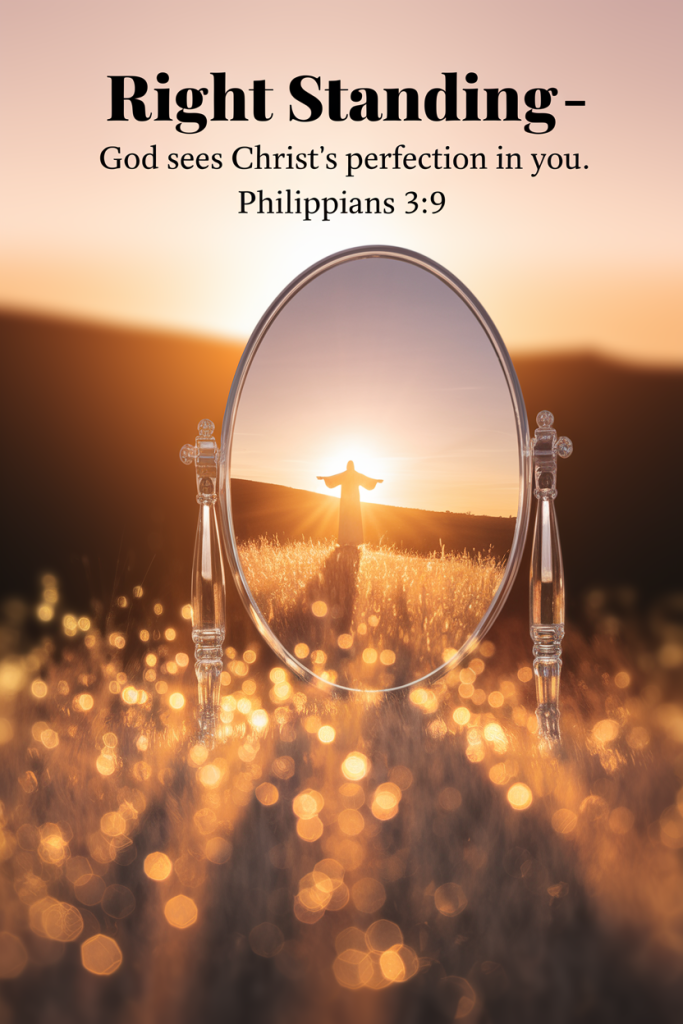
“And be found in him, not having mine own righteousness... but that which is through the faith of Christ, the righteousness which is of God by faith.” (Philippians 3:9).
To be “justified” means God declares us righteous. In Christ, we are justified (Galatians 2:16, Romans 3:24).
Think of it as your record before God being completely clean. Jesus took our mess of a record and in exchange gave us His perfect record.
“For he hath made him to be sin for us, who knew no sin; that we might be made the righteousness of God in him.” (2 Corinthians 5:21).
That’s an incredible blessing: In Christ, you are as accepted by God as Jesus is! (Not because of our merit, but His.)
Every Spiritual Blessing:
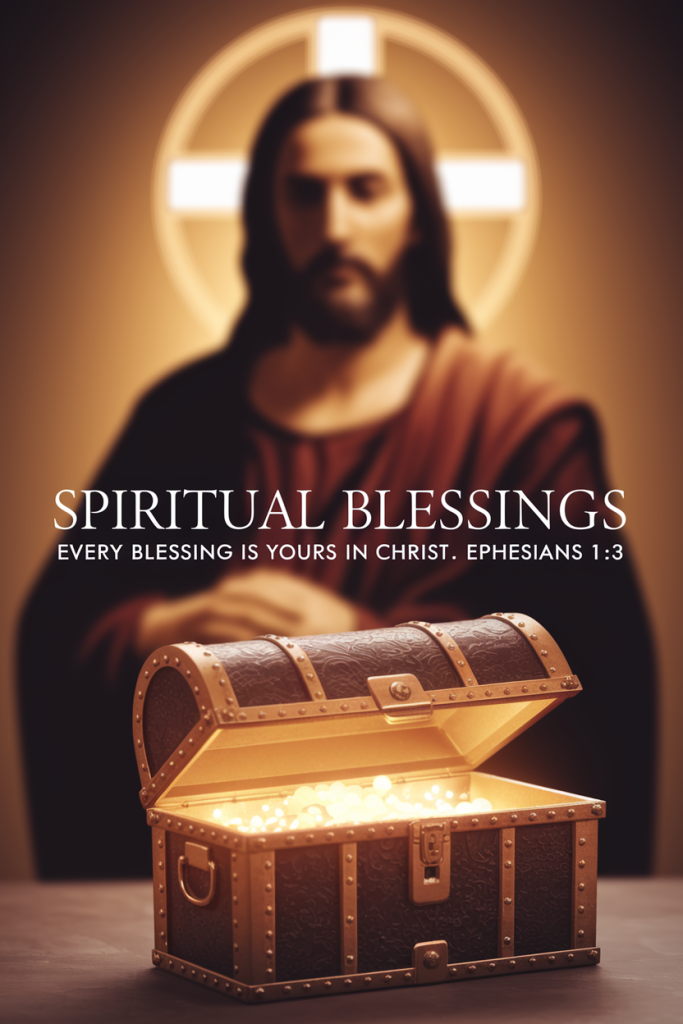
“Blessed be God… who hath blessed us with all spiritual blessings in heavenly places in Christ.” (Ephesians 1:3).
This verse says we already have every spiritual blessing in Christ. What are those blessings?
Paul lists some in Ephesians 1 –
- being chosen
- being adopted as God’s children
- being accepted and beloved
- redemption and forgiveness
- revelation of God’s will
- inheritance
- and the seal of the Holy Spirit.
It’s like a treasure chest that we’re still in the process of exploring.
But God says, “I’ve given it all to you in my Son.” We’re not lacking anything we need to live a godly life (2 Peter 1:3).
Sometimes I catch myself feeling spiritually inadequate, like I’m missing something.
This promise reminds me that in Christ, God has equipped me with everything necessary – even if I don’t see it all yet, it’s mine in Jesus. I can ask Him to help me access and apply what I need from that storehouse of blessing.
Access to God & Intimacy:
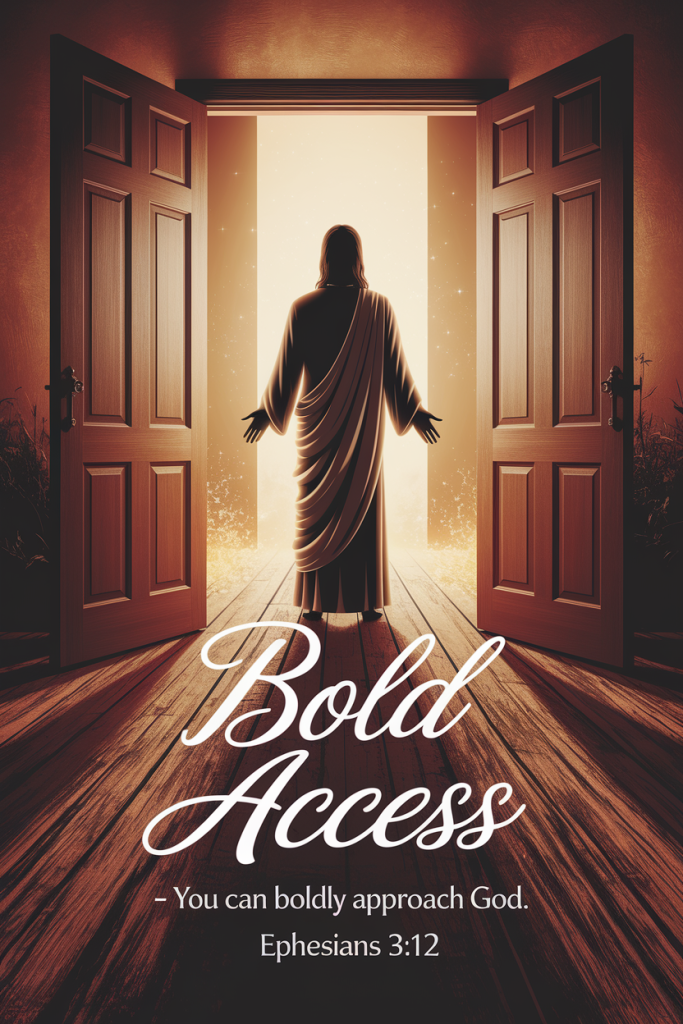
In Christ, we have direct access to God in prayer. Hebrews 4:16 invites us to come boldly to God’s throne of grace because our High Priest Jesus passed through the heavens for us.
Ephesians 3:12 says “In whom [Christ] we have boldness and access with confidence by the faith of him.”
Imagine being ushered into a king’s throne room without fear – that’s our privilege with God now.
We can call Him “Abba, Father” (Romans 8:15) because we are in the Son whom He loves.
This closeness is a blessing we might take for granted. In the Old Testament, only priests could approach God’s presence in the temple, and only with sacrifices.
Now we live in His presence daily! Any moment, you can speak to God openly, knowing He hears you as His beloved child in Christ.
Peace with God:

“Therefore being justified by faith, we have peace with God through our Lord Jesus Christ.” (Romans 5:1).
Before we knew Jesus, we were actually at odds with God (even if we didn’t realize it). But in Christ, the war is over – we are at peace with God.
He’s not against us; He’s for us (Romans 8:31).
Sometimes when life goes wrong, people think “Is God punishing me?” If you’re in Christ, God is not pouring wrath on you. Christ absorbed the wrath; you stand in peace.
Now, God may allow tough circumstances to grow you, but it’s always done in love, not anger. This gives deep inner peace too: knowing that no matter what happens externally, God and I are good. I can rest in that.
Inseparable Love:
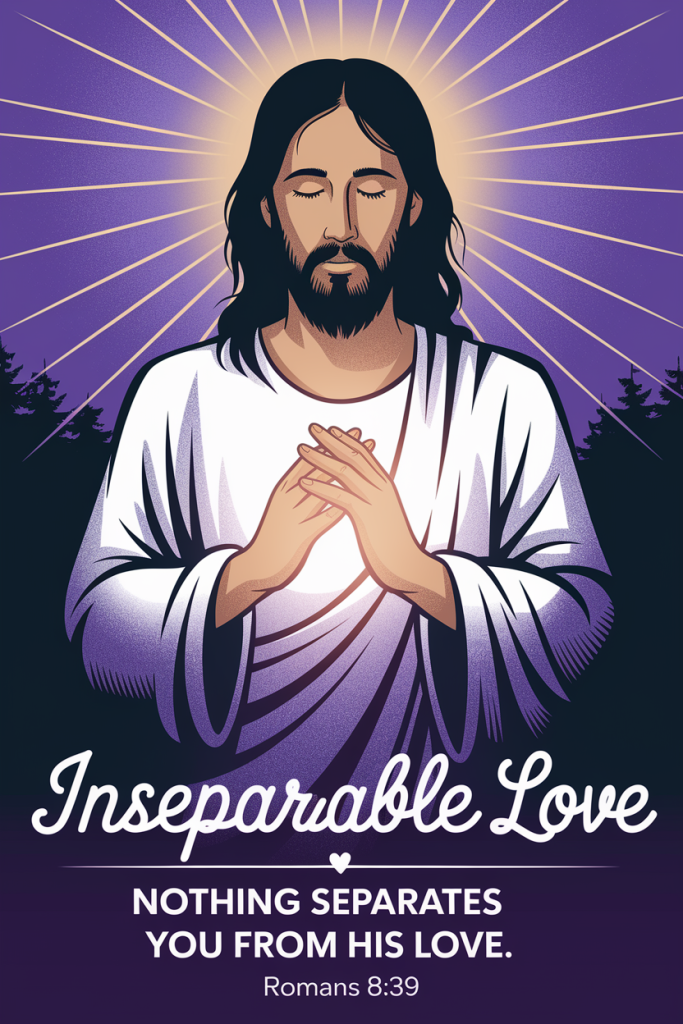
“[Nothing] shall be able to separate us from the love of God, which is in Christ Jesus our Lord.” (Romans 8:39).
This goes hand-in-hand with peace. God’s love for you in Christ is unbreakable.
Paul lists things like death, life, angels, demons, fears about today, worries about tomorrow... nothing in all creation can separate you from His love (see Romans 8:35-39 for the full list!).
This promise has gotten me through some dark times. When feelings said “maybe God doesn’t love me right now,” I had to cling to this truth like a life raft. In Christ, you are firmly loved on your best days and worst days alike. What a blessing!
Adoption and Inheritance:
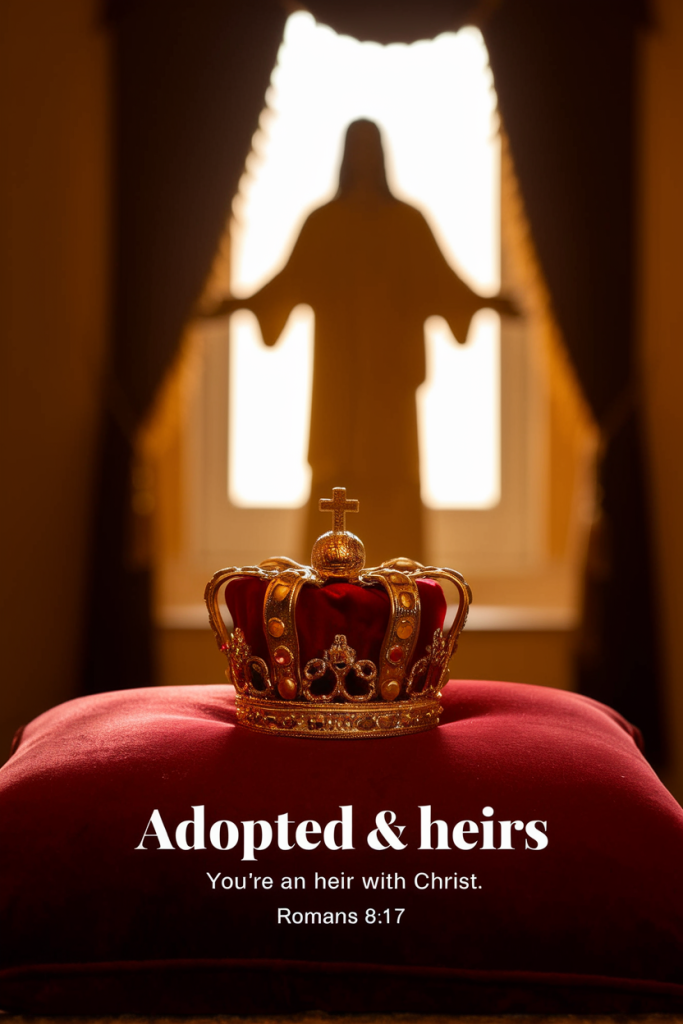
In Christ, God has adopted us (Ephesians 1:5) and made us His heirs. Galatians 3:29 says if we belong to Christ, we are Abraham’s seed and heirs according to the promise.
That means we’re in line to inherit the promises of God’s kingdom right alongside Jesus!
Romans 8:17 even calls us “joint-heirs with Christ.”
Think about that – everything that rightfully belongs to Jesus as God’s Son, He is going to share with us. This includes eternal life in a resurrected body, reigning with Him, and enjoying the riches of God’s glory forever.
Sometimes I joke that we believers have “rich Dad, poor self” syndrome – we forget who our Father is and what inheritance awaits.
But being in Christ means you have a secure future. No matter how “poor” or ordinary you feel now, you are royalty in training.
Purpose and Good Works:
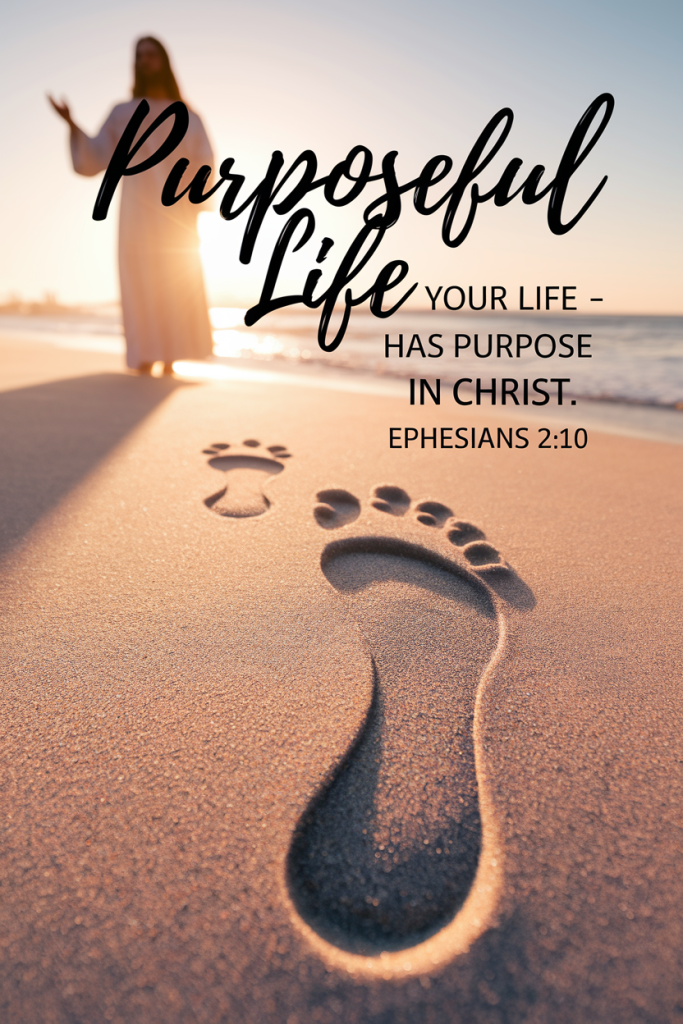
“For we are his workmanship, created in Christ Jesus unto good works, which God hath before ordained that we should walk in them.” (Ephesians 2:10).
This tells us that in Christ we aren’t just saved from sin, we’re also saved for a purpose. God has good works and a calling prepared for each of us to do as we live in Christ.
It could be loving your family, serving in your church, helping the poor, using your talents – big or small, these good works are part of His plan. This gives our lives meaning.
Ever wonder if your life really matters?
According to this, God crafted you uniquely (“His workmanship”) and placed you in Christ so that you could fulfill specific good works He designed beforehand.
That inspires me to wake up and say, “Lord, what do you have for us to do today? Let’s do it together.”
Strength and Victory:

In Christ, we’re not fighting for victory, we’re fighting from victory. “Now thanks be unto God, which always causeth us to triumph in Christ.” (2 Corinthians 2:14).
This doesn’t mean life is always easy – but in Christ, we ultimately overcome. Sin no longer has dominion over us. We can resist temptation through His power. We can endure hardships with His strength.
Philippians 4:13 (one of the most quoted verses) says, “I can do all things through Christ which strengtheneth me.”
That’s a promise of enabling power in anything God calls you to do.
Also, 1 Corinthians 15:57: “But thanks be to God, which giveth us the victory through our Lord Jesus Christ.”
Next time you feel defeated, remember that being in Christ makes you “more than a conqueror” (Romans 8:37).
It might not feel that way in the middle of a struggle – sometimes I feel anything but a conqueror! Yet I have seen over and over that when I lean on Jesus and persevere, He finds a way to turn even defeats into growth and victory.
God’s Presence in Us:
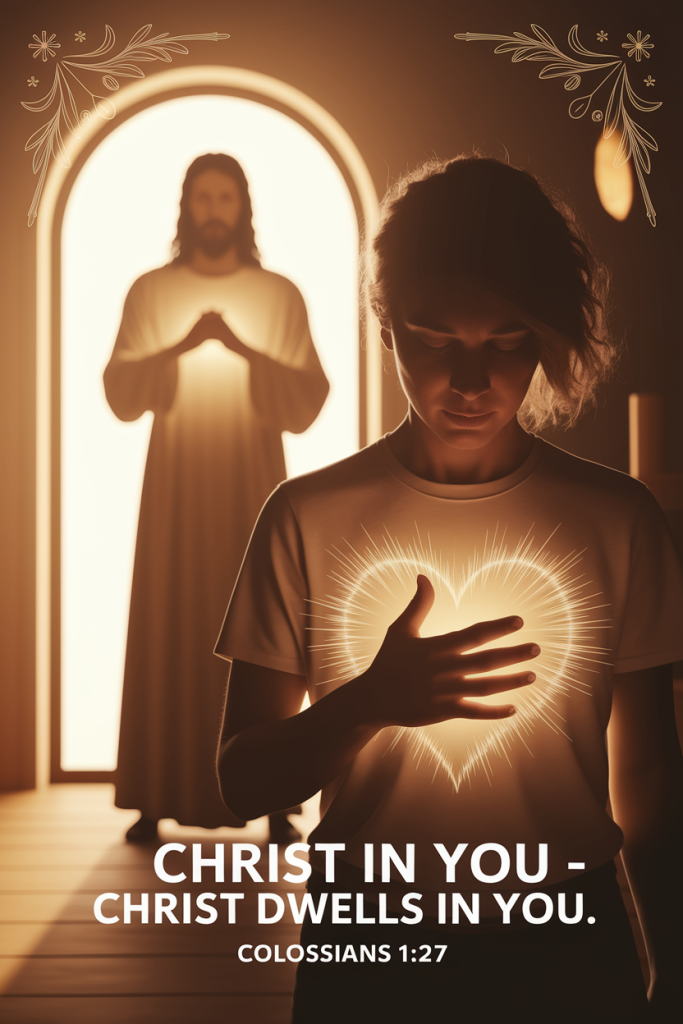
Amazingly, this relationship is mutual – not only are we in Christ, but Christ is in us by the Holy Spirit. “Christ in you, the hope of glory.” (Colossians 1:27).
Jesus promised to send the Comforter (the Holy Ghost) to dwell with us and be in us (John 14:16-17).
So one blessing of being in Christ is we are never alone. God Himself lives in us, guides us, convicts us, and empowers us. We have a constant companion and helper.
I don’t know about you, but I need all the help I can get!
It’s comforting to know the same Spirit that raised Jesus from the dead lives in me (Romans 8:11).
And this is not even an exhaustive list! To sum up, every good thing we have from God comes in Christ. Outside of Him, we really have nothing of eternal value; in Him, we have it all.
- Eternal life is in Christ (Romans 6:23).
- True peace and joy are in Christ (John 15:11, John 16:33).
- Wisdom is in Him (1 Corinthians 1:30).
- Protection is in Him (2 Thessalonians 3:3).
The list goes on. It’s like God has a big storehouse labeled “Jesus,” and when you stepped into Jesus by faith, you entered the storehouse of every spiritual blessing.
Take a moment to let that sink in. Which of these promises or blessings do you need to grab onto today?
Perhaps you need assurance of no condemnation, or confidence that God won’t stop loving you, or strength to face a challenge. All of that is yours in Christ. Thank Him for it, even if you don’t feel it yet. Over time, you’ll likely see these truths become real in your experience.
Our Identity and Position in Christ
The phrase “in Christ” is often used in the Bible to describe our identity (who we are) and position (our status) as believers. Grasping this is so important for our spiritual growth.
We live out what we truly believe about ourselves. If we see ourselves as “sinners trying to act like saints,” we’ll struggle and feel defeated.
But if we see ourselves as “saints who sometimes still struggle with sin,” we’ll be more likely to get up and keep growing, because we know sin isn’t our core identity anymore.
So, who does God say we are in Christ?
Children of God:
We mentioned this before, but it’s worth repeating.
John 1:12 says when we receive Jesus, we have the right to become children of God. When I’m “in Christ,” I am God’s child in God’s family. That’s an identity statement.
It means I’m loved, accepted, and I have a Father who is caring for me.
“Behold, what manner of love the Father hath bestowed upon us, that we should be called the sons of God” (1 John 3:1).
Many of us carry wounds or insecurities from our earthly family or life experiences. Knowing that in Christ I have a perfect Father and I belong in His family brings healing and confidence. You’re not an outsider or orphan; you’re a beloved son or daughter of the King.
Accepted in the Beloved:
Ephesians 1:6 (KJV) says God “hath made us accepted in the beloved.”
The “Beloved” is Jesus, God’s dearly loved Son. This means in Christ, you are fully accepted by God. Let that replace any rejection you’ve felt elsewhere.
I have struggled with people-pleasing and fear of rejection for years. This verse is like a soothing balm: even if others reject me or I don’t live up to their expectations, God has already accepted me completely because I’m in Jesus.
I don’t have to earn His approval – I have it. And His opinion matters most! You and I are embraced by God because we’re in His Beloved Son.
Holy and Blameless:
“Holy” means set apart for God; “blameless” means without fault in God’s eyes. Ephesians 1:4 says God chose us in Christ “that we should be holy and without blame before Him in love.”
This is both our position (how God sees us now in Christ) and our destiny (what He’s transforming us into in daily life).
In Christ, God already calls you a saint (which literally means a holy one).
For example, the letters in the New Testament address even ordinary struggling Christians as “saints in Christ Jesus” (Philippians 1:1, 1 Corinthians 1:2).
It can feel weird to call yourself a saint – we know we still sin. But our position before God is blameless because of Jesus. And God is committed to making our behavior catch up with that position.
Whenever I feel “dirty” or unworthy, I recall that in Christ, God sees me as washed and holy (1 Corinthians 6:11).
That identity gives me motivation to live in a holy way, and hope that I can overcome impurity, because it’s not truly who I am anymore.
United with Other Believers:
All who are in Christ are also joined to each other. We’re part of the body of Christ together.
1 Corinthians 12:27 puts it plainly: “Now ye are the body of Christ, and members in particular.”
This speaks to our identity as part of Christ’s collective body (the Church universal). It means you are not alone – you’re connected to a whole community (family) of believers across time and space.
When you feel lonely in your walk, remember there are millions of others in Christ alongside you, and ideally in a local church around you. Our union with Christ creates a union with each other.
Practically, it means we should honor and care for one another. If one member suffers, all suffer; if one is honored, all rejoice (1 Corinthians 12:26).
It also means we have different gifts and roles, but each part matters. You have a place and a function in the body of Christ – a role only you can fill. That’s part of your identity too.
Citizens of Heaven:
Because we’re in Christ, our citizenship changed. Philippians 3:20 says “For our conversation (citizenship) is in heaven; from whence also we look for the Saviour, the Lord Jesus Christ.”
We now belong to God’s kingdom more than any earthly nation. We’re ambassadors for Christ on earth (2 Corinthians 5:20), representing our true home.
This aspect of our identity can reshape how we view the world. I love my country, but I remind myself I’m ultimately a citizen of heaven. My values and lifestyle should reflect heaven’s culture more than the world’s.
And I have the hope that one day I’ll literally be home with the Lord. In Christ, you’re already “seated in heavenly places” spiritually (Ephesians 2:6) – meaning you have a secure place in heaven with Christ, even as you live here on earth.
Complete in Christ:
“And ye are complete in him, which is the head of all principality and power.” (Colossians 2:10).
This one blows me away. In Christ, we lack nothing. We are made complete. Our hearts have a God-shaped hole that only Christ can fill – and once we’re in Him, that hole is filled. We still grow and mature, but positionally, we’re complete.
We don’t need to chase some secret experience or additional component to be “really” spiritual. Jesus is enough. This is a relief in a world that constantly tells us we’re lacking something (need a new product, a new achievement, etc.).
Now, I still feel my weaknesses and areas of immaturity – being complete in Christ doesn’t mean I’ve arrived in terms of character. But it means everything I need to become who I’m meant to be is found in Jesus.
I’m not spiritually deficient or missing a piece; I have the fullness of Christ and He is working to manifest His completeness in me.
Pilgrims in this World:
Because of our identity in Christ and our heavenly citizenship, the Bible also calls us sojourners or pilgrims on earth (1 Peter 2:11).
This world is not our ultimate home. That perspective helps when life is disappointing or when we feel out-of-place in worldly systems. It’s not just you – none of us in Christ truly “fit in” with a world that operates on values contrary to God’s.
And that’s okay. In fact, Colossians 3:3 says, “For ye are dead, and your life is hid with Christ in God.”
We died to this world’s claims on us, and now our real life is hidden with Christ. People may not understand us because they don’t see that hidden reality. But God sees it, and one day it will be revealed (Colossians 3:4).
All these facets of identity – child of God, accepted, holy, member of Christ’s body, citizen of heaven, complete in Him – form a powerful picture of who you truly are because of Jesus.
Do these resonate with you? Sometimes I like to speak these truths over myself:
- “I am a child of God in Christ.
- I am accepted and beloved.
- I am a new creation.
- I am the righteousness of God in Jesus.
- I am a citizen of heaven.
- I am complete in Christ.”
It might feel odd at first, but it’s not self-help fluff; it’s declaring what God has said about you. And hearing it in your own ears can renew your mind (Romans 12:2).
One more thought on identity: being in Christ also means we’re represented by Christ. He is like our head or our ambassador before God.
This concept is seen in Scripture when comparing Adam and Christ. Adam was the head of the human race – when he fell, we all fell “in Adam.” But Jesus is called the last Adam (1 Corinthians 15:45) and the head of a new redeemed humanity.
“For as in Adam all die, even so in Christ shall all be made alive.” (1 Corinthians 15:22).
We were all born “in Adam” by natural birth, sharing in sin and death. But when we are born again, we are placed “in Christ,” sharing in His righteousness and life. This means Jesus is our representative now.
Just as a king’s actions would represent his people, Christ’s actions count for us. His death counts as our death to sin. His resurrection counts as our new life. His ascension and acceptance by the Father count as our acceptance.
That’s why Ephesians 2:6 can say God “made us sit together in heavenly places in Christ Jesus” – in God’s eyes, we’re as good as seated with Jesus in glory, because our representative head is there. Talk about a secure position!
Old Testament Shadows of Being “In Christ”
One fascinating aspect of the Bible is how the Old Testament lays the groundwork for truths that are fully revealed in the New Testament.
The concept of being “in Christ” is largely a New Testament revelation, but if you look closely, you can see shadows, patterns, and prophetic hints of this idea in the Old Testament.
Jesus said that the Scriptures testify of Him (John 5:39), and after His resurrection, He explained to the disciples the things concerning Himself in “Moses and all the prophets” (Luke 24:27).
Let’s explore some of these connections and typologies (a type is like a symbolic preview of something in the future):
Noah’s Ark – A Picture of Salvation in Christ:
In Genesis, God instructed Noah to build an ark to save his family from the coming judgment of the flood.
Those who entered the ark were saved; those who stayed outside perished. The ark is a powerful foreshadowing of Christ.
The New Testament explicitly makes this connection: “…in the days of Noah, while the ark was a preparing, wherein few, that is, eight souls were saved by water. The like figure whereunto even baptism doth also now save us… by the resurrection of Jesus Christ” (1 Peter 3:20-21).
In other words, Noah’s ark symbolized our salvation – not that water itself saves us, but being spiritually baptized (placed) into Christ does.
Just as Noah and his family hid inside the ark and were lifted above the waters of judgment, we hide ourselves in Jesus and are saved from God’s judgment on sin. Only those “in the ark” survived; only those “in Christ” have eternal life.
- Interestingly, the ark had one door, which God shut (Genesis 7:16).
- Jesus said, “I am the door: by me if any man enter in, he shall be saved.” (John 10:9).
- It gives me chills to see how perfectly that fits – Christ is the one door of salvation, just like the ark’s door.
- Once we enter in by faith, God seals us safely inside Christ (Ephesians 1:13).
Noah’s story also highlights God’s grace – they didn’t survive because they could swim; they survived because they took refuge in the vessel God provided.
Likewise, we can’t survive God’s judgment by our own strength; Christ is our vessel of rescue.
Cities of Refuge – Safety in Christ:
In the Mosaic Law, God provided six “cities of refuge” (see Numbers 35, Joshua 20). If someone accidentally killed a person, they could flee to a city of refuge to escape revenge from the victim’s family.
Inside the city, they were safe and could not be harmed by the avenger of blood. This is a beautiful picture of finding refuge in Christ.
The book of Hebrews alludes to this concept: “[We] have fled for refuge to lay hold upon the hope set before us” (Hebrews 6:18).
We fled to Jesus to escape the justice we deserved and found safety. Just as leaving the city would put the manslayer in danger, we are secure as long as we remain in Christ (and unlike the manslayer, we won’t be kicked out when the high priest dies – our High Priest Jesus lives forever!).
The psalms also repeatedly call God a “refuge” and “fortress” (e.g., Psalm 91:2).
- Think of Christ as our spiritual refuge city – the moment we run into His arms, we’re protected from the curse of the law and the wrath of God.
- In Him, the enemy (Satan, whose name means “accuser”) cannot ultimately harm us.
- Proverbs 18:10 ties in: “The name of the LORD is a strong tower: the righteous runneth into it, and is safe.”
- We could say the name of Jesus (who is the LORD) is that strong tower we run into for safety.
The Passover – Covered by the Blood “in the house”:
During the Exodus, God instructed the Israelites to take shelter in their houses, marked by the blood of a lamb on the doorposts, so that the destroying angel would “pass over” them (Exodus 12:13).
They had to be inside the blood-covered house to be saved. If anyone ventured outside, they would not be under that protection.
- This parallels being in Christ, because Jesus is our Passover Lamb (1 Corinthians 5:7) and His blood covers us so that we are spared from wrath.
- In Romans 5:9 it says, “Being now justified by his blood, we shall be saved from wrath through him.”
- It’s through Him, like being in the house through the door. We take refuge under the blood of Jesus by faith, and God’s judgment passes over us.
When I read the Passover story, I imagine how thankful those Israelites must have been to have a safe place to hide when death was all around. That’s how I feel about Christ – deeply grateful to have a safe place in Him.
The High Priest and the Holy of Holies – Entering God’s Presence in Christ:
Under the Old Covenant, only the High Priest could enter the Most Holy Place of the temple, and only once a year with a blood sacrifice, to make atonement for the people. He was, in a sense, representing the people before God.
If the high priest was accepted (i.e., he did everything right), the people were blessed for another year. Jesus is our High Priest and our representative.
The Book of Hebrews explains that Jesus entered the true heavenly Holy of Holies with His own blood, obtaining eternal redemption for us (Hebrews 9:11-12).
Now here’s the connection to being in Christ: because we are in Him, it’s as if we ourselves have entered God’s presence and are accepted.
Hebrews 10:19-20 says we have confidence to enter the Most Holy Place by the blood of Jesus, “by a new and living way, which he hath consecrated for us, through the veil, that is to say, his flesh.”
- When Jesus died, the veil in the earthly temple ripped open (Matthew 27:51), showing that the barrier between God and us was removed.
- Now, our lives are hidden with Christ in God (Colossians 3:3) – meaning we reside in God’s presence.
- In the Old Testament, this was unthinkable for the average person to have that access. But in the New, we all have it in Christ!
- It’s like the high priest used to go in for us, but now our High Priest brings us with Him.
- We are seated with Christ in heavenly places (Ephesians 2:6).
This was hinted at in the OT in verses like Isaiah 45:24, “Surely, shall one say, in the LORD have I righteousness and strength…” and Isaiah 45:25, “In the LORD shall all the seed of Israel be justified, and shall glory.”
That finds its fulfillment in Jesus – truly, in the LORD (Jesus) we are justified and made righteous.
The Rock in the Wilderness – Hiding in Christ:
There’s a lesser-known type in the story of Moses. When Moses requested to see God’s glory, God put him in the cleft of a rock and covered him with His hand as His glory passed by, so Moses wouldn’t be destroyed by God’s holiness (Exodus 33:22).
Some commentators (myself included) see that rock as a type of Christ – we must hide in Christ, the Rock of Ages, to survive the blazing glory of God’s holiness.
- The hymn “Rock of Ages” echoes this: “Rock of Ages, cleft for me, let me hide myself in Thee.”
- Also, during Israel’s wilderness journey, God provided water from a rock that Moses struck (Exodus 17:6).
- The New Testament says “that Rock was Christ” (1 Corinthians 10:4) – indicating Christ was sustaining them spiritually.
- Jesus was “struck” for us and from Him flows living water (John 7:37-38).
But sticking to the cleft image: just as Moses was kept safe in the rock, we are safely hidden in Christ. When God’s glory and judgment passes by, we’re shielded by being in the “cleft” of Jesus’ wounds, so to speak.
This might be a bit metaphorical, but it ministers to my heart. I picture myself tucked into the side of Jesus, as Moses was in that rock, and I feel secure.
Marriage – Two Become One:
The union of a husband and wife is meant to foreshadow Christ and the Church.
Paul explicitly states this in Ephesians 5:31-32, quoting Genesis 2:24 “and they two shall be one flesh” and then saying “This is a great mystery: but I speak concerning Christ and the church.”
- When a man and woman marry, they become “one” in a covenant – they share life, name, family, everything. This is a picture of how we become one with Christ (spiritually married to Him, so to speak).
- In the Old Testament, God often described His relationship with Israel as a marriage covenant (e.g., Isaiah 54:5, Jeremiah 3:14).
- Unfortunately, Israel was often unfaithful (hence terms like adultery used for idolatry).
- But God promised a new covenant, a faithful husband in the Messiah.
- Jesus is that bridegroom who loved the Church and gave Himself for her (Eph 5:25).
- When we believe, we effectively say “I do” to Jesus and enter into this covenant oneness.
- We take on His name (Christian)
- He takes on responsibility for us.
- Just as spouses share all things, we share in what belongs to Christ (and He shares in our burdens).
- In Revelation, the culmination of history is a wedding feast – “the marriage supper of the Lamb” (Revelation 19:7-9) – celebrating the full union of Christ and His people.
So marriage from the start was pointing to the intimate union we now enjoy in Christ. It’s no coincidence that Jesus’ first miracle was at a wedding feast (John 2) – it’s like He put His stamp of approval on that symbol from the get-go.
Adam and the New Creation:
I touched on Adam before, but to expand – Adam was the head of the old creation, and Christ is the head of a new creation.
- Romans 5:14 calls Adam “the figure (type) of him that was to come.” Adam’s one act (eating the forbidden fruit) brought sin and death to all “in him.”
- Jesus’ one act of righteousness (His obedience to death on the cross) brings righteousness and life to all in Him (Romans 5:17-19).
So the whole story of the fall and redemption is structured around these two representatives.
This is the theological core of why being “in Christ” is necessary – we must be transferred out of Adam into Christ.
- There’s an interesting OT hint of this in that God caused a deep sleep to fall on Adam and opened his side to bring forth his bride, Eve (Genesis 2:21-22).
- Likewise, Jesus fell into the “deep sleep” of death and His side was pierced (John 19:34). From that wound, we often say, the church was born (signified by blood and water).
- Just as Eve was “in Adam” (bone of his bones, flesh of his flesh), the Church is described as members of Christ’s body, “of his flesh and of his bones” (Ephesians 5:30).
It’s poetic imagery, but it connects. The first Adam gave physical life to humanity; the last Adam, Jesus, gives spiritual life to a new humanity.
If you ever do a study on genealogy in the Bible, you’ll notice those in the Old Testament are traced “in” their ancestors (e.g., Levi was in the loins of Abraham – Hebrews 7:9-10). Our new genealogy is short: we are “in Christ,” period. He is the beginning of this new family line.
These patterns show that God had our union with Christ in mind all along.
He scattered clues throughout history: an ark of salvation, a refuge, a lamb’s blood, a high priest, a marriage covenant, a new Adam – all pointing to the day when His Son would come, and we would be united with Him in a bond of love forever.
Isn’t that awesome? When I first learned some of these typologies, my faith was strengthened so much. It’s like God wrote a multi-millennia love story, and we’re in the happily-ever-after chapter (and the best is still to come!).
It also reminds me that Christianity isn’t a new religion that appeared out of nowhere; it’s the fulfillment of an ancient promise and pattern. The idea of being “in Christ” isn’t man-made philosophy – it’s God’s idea, hinted at from Genesis onward.
One more Old Testament connection: Covenant Language. In the OT, to make a covenant, one person might say “I am yours, you are mine.”
- God often called Himself the God of Abraham, Isaac, and Jacob – identifying with His people – and called Israel “My people.”
- In the New Covenant, Jesus identifies with us (Hebrews 2:11 says He’s not ashamed to call us brethren), and we identify with Him (we bear His name).
- Jeremiah 31:33 prophesied the new covenant where God’s law would be in people’s hearts and He would be their God and they would be His people.
Being in Christ is the ultimate fulfillment of that – we are one people in union with our God through Jesus.
Sources
- GotQuestions – “What does it mean to be in Christ?” – Explains the phrase “in Christ” and how our standing before God is based on Jesus’ righteousness, not our own.
- Blue Letter Bible – “Union with Christ” Scripture List – Provides numerous Bible verses that describe blessings and aspects of being in Christ (e.g., redemption, eternal life, no condemnation, new creation, etc.).
- Bible.org – “Typology of Christ” (Section 9) – Outlines Old Testament people and objects that foreshadow Jesus Christ, including Noah’s ark as a type of Christ (those in the ark were saved, just as those in Christ are saved)bible.org.
- Answers in Genesis – “Christ and the Ark of Noah” – Discusses how Noah’s Ark is an illustration of Jesus’s salvation. Emphasizes that just as the ark was the only provision of survival, Jesus is our Ark and the only way to be savedanswersingenesis.org.
- Melanie Newton – “Grasp Who You Are in Christ” (Joyful Walk series) – A Bible study article on understanding spiritual identity. It highlights the importance of knowing our identity in Christ (with ~35 characteristics of who we are in Him) and how that sets us free to live out our faithmelanienewton.commelanienewton.com.
- King James Bible (KJV) – Scripture quotations throughout are taken from the KJV, which richly conveys the meaning of being “in Christ” through phrases like “in Christ Jesus,” “in Him,” and “in the Lord.” Key references include John 15, Romans 6–8, 2 Corinthians 5:17, Ephesians 1–2, Colossians 2–3, and many others as cited in the text. (Public Domain)