When Revelation 1:5 calls Jesus “the first begotten of the dead,” it is declaring His unique resurrection and authority over life and death. This title is packed with meaning. In this study we will explore what Scripture reveals under several themes:
- His core identity as the risen One with preeminence.
- The pattern of firstfruits that His resurrection fulfills.
- How “begotten” language is tied directly to His resurrection.
- Prophecies from the Law, the Prophets, and the Psalms that pointed to His rising.
- The apostolic preaching that centered on His resurrection.
- What His resurrection means for the church.
- Christ’s own words about laying down His life and taking it again.
- The resurrection hope that flows to us because He is the firstborn from the dead.
Each section will highlight verses that show how Christ’s resurrection was foretold, accomplished, and applied to His people.
Core identity statements about His resurrection preeminence
The New Testament consistently ties Jesus’ identity to His resurrection. Colossians 1:18 calls Him the head of the body and the firstborn from the dead, so that in everything He might have preeminence. That word matters. He’s not just one among many who rise – He stands above all.
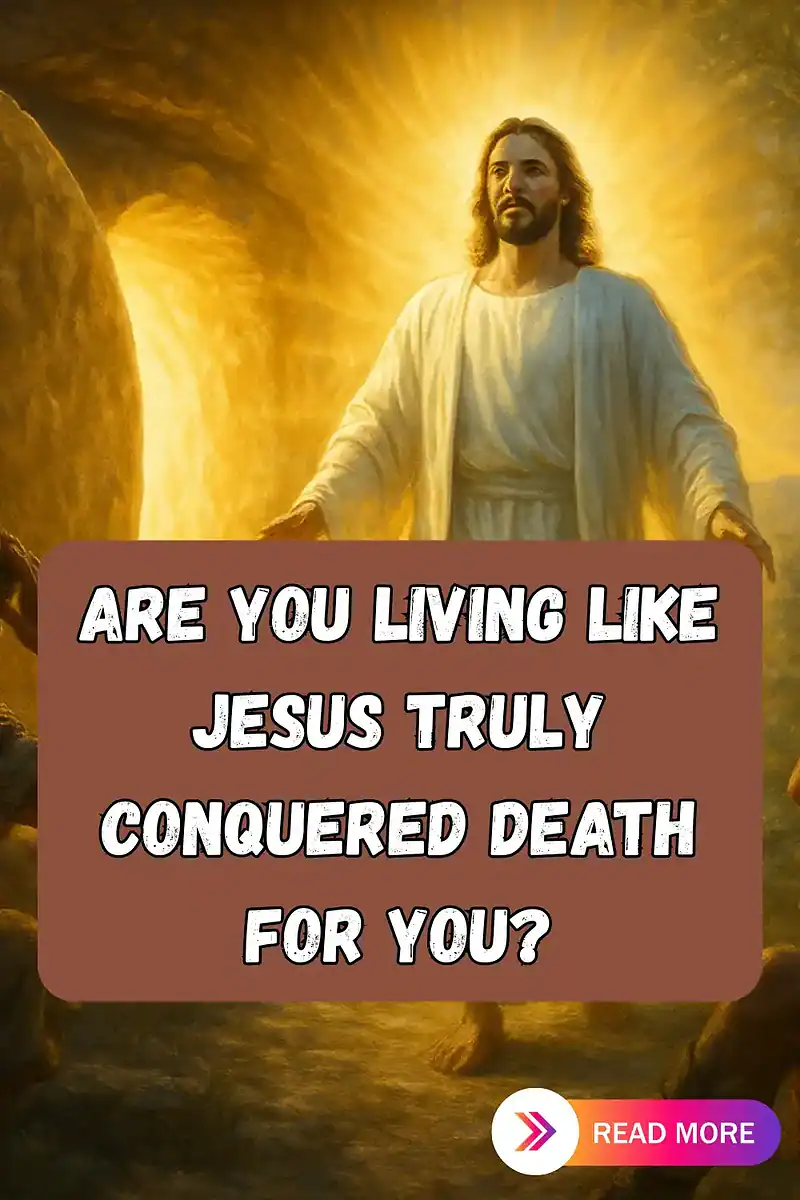
Romans 1:4 says He was declared to be the Son of God with power by the resurrection. The empty tomb didn’t make Him God’s Son, but it openly marked Him as such before the world. In Revelation 2:8, He calls Himself the one who was dead and is alive, tying His authority directly to His victory over death.
And let’s not miss John 11:25, where Jesus says, “I am the resurrection, and the life.” That’s not just comfort for Martha before Lazarus walked out of the tomb. It’s Jesus saying resurrection isn’t just an event – it’s embodied in Him. Romans 6:9–10 backs it up, saying He’s raised and dies no more. Death’s dominion is broken. Revelation 1:18 seals it with His own words: He holds the keys of hell and of death. Keys mean authority. Death may still feel strong to us, but Jesus has the final say.
Firstfruits pattern and the harvest to follow
The Bible often uses agricultural imagery to explain spiritual truth, and resurrection is no different. 1 Corinthians 15:20–23 says Christ is the firstfruits of those who sleep. That’s language straight from Leviticus 23:10–11, where the first sheaf of the harvest was waved before the Lord. It was a guarantee that more was coming. In the same way, Jesus’ rising is proof that all who belong to Him will follow.
Matthew records a striking confirmation. In Matthew 27:52–53, after His resurrection, many saints came out of their graves. That wasn’t random – it was a token of the greater harvest ahead. James 1:18 says God has begotten us to be “a kind of firstfruits.” So Jesus’ resurrection begins a whole new creation family.
“Begotten” language tied to the resurrection
The word “begotten” often makes us think of Jesus’ eternal Sonship, but the New Testament also uses it in connection with His resurrection. In Acts 13:32–34, Paul quotes Psalm 2:7: “Thou art my Son, this day have I begotten thee.” He applies it to the day God raised Him from the dead. That was the public installation of the royal Son.
1 Peter 1:3 says God has begotten us again unto a lively hope by the resurrection of Jesus Christ. Our new birth is directly tied to His rising. Hebrews 1:6 adds that when God brings the firstbegotten into the world, He commands worship from all angels. Resurrection doesn’t just vindicate Jesus – it magnifies Him openly as the unique Son.
Foretold in the Scriptures
The resurrection wasn’t a late twist. It was always part of God’s plan. Acts 26:22–23 says Moses and the prophets spoke of it, that Christ should suffer and be the first to rise from the dead.
You see it hinted in Psalm 16:10 – the Holy One wouldn’t see corruption. Peter quotes that in Acts 2:24–32 to prove Jesus rose. Isaiah 53:10–12 says He’d make His soul an offering for sin, yet prolong His days. Hosea 6:2 gives the “third day” pattern, echoed by Jonah’s time in the fish (Jonah 1:17; Matthew 12:39–40).
Prophets also looked ahead to victory over death. Isaiah 25:8 promises God would swallow up death in victory, a phrase Paul repeats in 1 Corinthians 15:54. Hosea 13:14 declares death would be plagued, fulfilled when Christ rose. And Psalm 22:22, which begins in suffering, ends with the risen Lord declaring God’s name to His brethren, as Hebrews applies it.
Apostolic Preaching
The apostles never preached Jesus without preaching Him raised. In Acts 2:24–36, Peter declares God raised Him and made Him both Lord and Christ. In Acts 3:15, he calls Him the Prince of life raised from the dead. In Acts 4:10–12, they insist salvation is in no other name but the risen Jesus. And in Acts 10:39–41, Peter testifies God raised Him the third day and showed Him openly. The entire gospel rests on this truth.
What It Means for the Church
If Jesus is the firstborn from the dead, then His people follow in His pattern. Ephesians 1:20–23 says God raised Him and set Him over all things for the church. Romans 8:29 calls Him the firstborn among many brethren – meaning we’re destined to share His likeness. Hebrews 12:23 even calls the church the assembly of the firstborn, linked to Him.
This isn’t just future. Colossians 2:12–13 and Romans 6:4–5 say we’re already buried with Him and raised with Him spiritually. New life begins now, and full resurrection comes later. Philippians 3:10–11, 20–21 shows both sides – we know His resurrection power in daily life, and we wait for our bodies to be transformed like His. And don’t forget Romans 4:25: He was raised for our justification. His empty tomb is our cleared record before God.
His Own Words
Jesus Himself made it clear. In John 10:17–18, He said no one takes His life, but He lays it down and takes it again by authority from the Father. In John 2:19–21, He spoke of raising the temple of His body in three days. He was always in control.
Resurrection Hope Across the Testaments
The resurrection isn’t just His – it’s the hope of God’s people everywhere. Daniel 12:2 speaks of many awakening. Job 19:25–27 rests on the confidence, “I know that my redeemer liveth.” 1 Thessalonians 4:14–17 ties it directly to Christ’s rising, saying God will bring those who sleep in Jesus and raise them at His coming. 1 Corinthians 6:14 promises God, who raised the Lord, will raise us also.
Conclusion
Jesus as the first begotten of the dead means He’s the trailblazer of resurrection, the first to step into indestructible life. It means He stands preeminent over death, sin, and the grave. It means the harvest is guaranteed for all who belong to Him. It means our new birth, our justification, our daily hope, and our final future all rest in His rising. He isn’t just alive – He’s alive forevermore, and because He lives, we will live also.
Call to Action: The Question That Demands an AnswerIn Acts 2:37 Peter and the Apostles were asked the question – What Shall We do? And in Acts 2:38 Peter answered, Repent, and be baptized every one of you in the name of Jesus Christ for the remission of sins, and ye shall receive the gift of the Holy Ghost. For the promise is unto you, and to your children, and to all that are afar off, even as many as the Lord our God shall call. Do you understand this? After hearing the gospel and believing, they asked what should would do. The answer hasn’t changed friend, Peter clearly gave the answer. The question for you today is, Have you receieved the Holy Spirit Since you believed? If you’re ready to take that step, or you want to learn more about what it means to be born again of water and Spirit, visit: Come, and let the Spirit make you new. |